Introduction to Wall Accent Panel
In the realm of interior design, creating a unique atmosphere in a space often begins with careful selections of materials and textures. One significant trend that continues to gain popularity is the use of a wall accent panel. This versatile design element not only adds visual interest but also complements the overall design of any room. In this article, we will delve into the world of wall accent panels, exploring what they are, the different types available, and the reasons for incorporating them into your home decor.
What is a Wall Accent Panel?
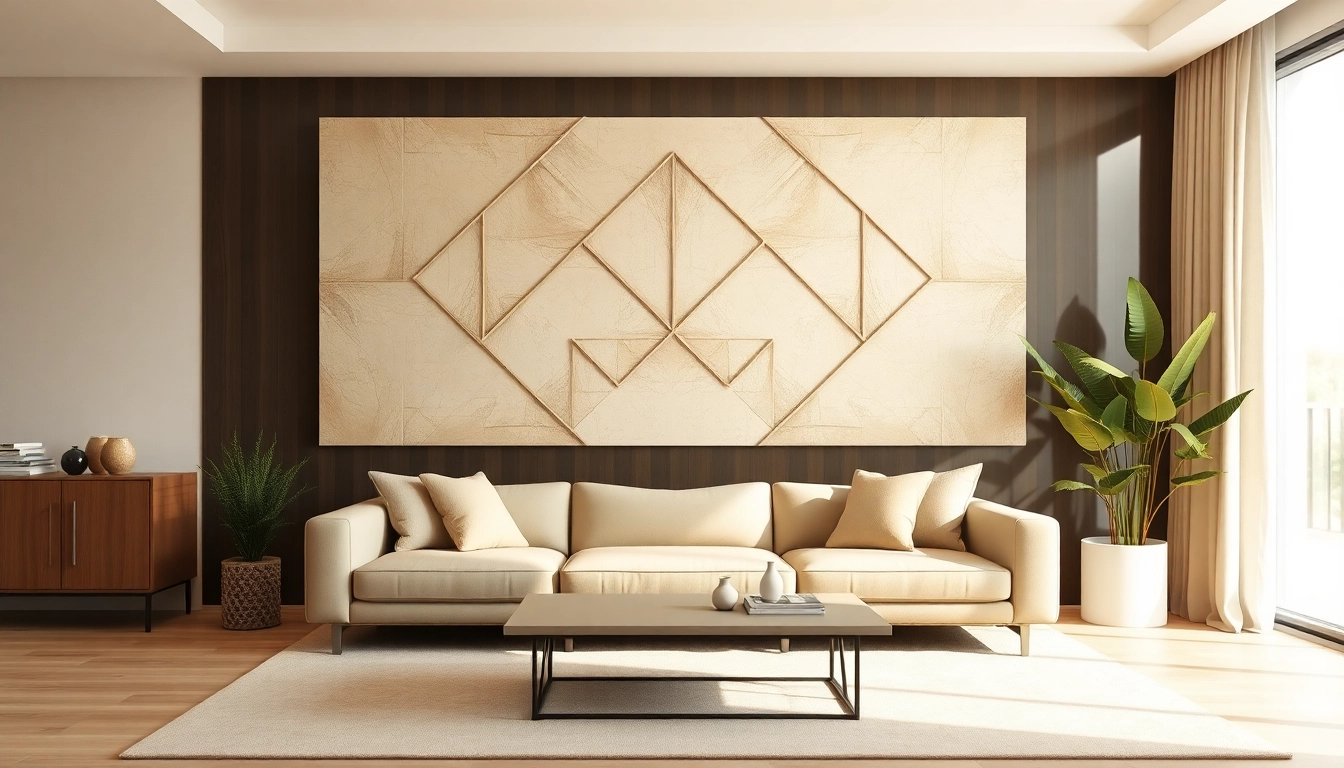
A wall accent panel is a decorative element applied to a wall surface to enhance its visual appeal. These panels can be crafted from a variety of materials, including wood, metal, plastic, and fabric, and come in different styles and finishes. Whether used to highlight a feature wall, provide acoustic benefits, or simply elevate a room’s aesthetic, wall accent panels are a popular choice among homeowners and interior designers alike. The primary aim is to create a focal point in a space, drawing the eye and adding depth to the design.
Different Types of Wall Accent Panels
Wall accent panels come in an array of designs, each with its unique characteristics. Here are some popular types:
- Wood Panels: These provide warmth and a natural aesthetic, available in various finishes from raw to polished.
- 3D Panels: Offering a sculptural effect, these panels can dramatically alter the perception of a room’s depth and texture.
- Metal Panels: Ideal for modern or industrial themes, metal panels add an edgy contrast, frequently utilized in kitchens and living areas.
- Fabric Panels: These soft textures can enhance acoustics in a room while also introducing patterns and colors.
- Vinyl Panels: Lightweight and easy to install, vinyl options offer versatility in design along with effortless maintenance.
Why Choose a Wall Accent Panel?
Decorating with wall accent panels offers numerous benefits beyond just aesthetics. Some compelling reasons to consider these panels include:
- Versatile Design: Accentuate various styles, from traditional to contemporary.
- Customizability: Many panels can be painted or stained to match existing decor.
- Easy Installation: Many panels are designed for straightforward installation, allowing for quick transformations.
Benefits of Using Wall Accent Panels
Enhancing Aesthetic Appeal
One of the primary advantages of a wall accent panel is its ability to elevate the aesthetic appeal of any room. By introducing a distinct visual element, these panels can turn an ordinary wall into a striking feature that captures attention. Whether you opt for a rustic wooden finish or a sleek modern design, accent panels can easily complement your existing decor and style, serving as a conversation starter and enhancing the overall ambiance of your space.
Adding Texture to Your Space
Texture plays a vital role in interior design, contributing to the tactile experience of a room. Wall accent panels add not only visual texture but also physical texture that can transform the way a space feels. A 3D panel can create depth and interest, making flat walls more dynamic and vibrant. Using different materials and finishes can further enhance this effect, allowing for layers of texture that invite touch and engagement.
Improving Room Acoustics
Beyond aesthetics, wall accent panels can also serve functional purposes, such as improving room acoustics. Certain materials, like fabric or specially designed acoustic panels, can help absorb sound, reducing echo and enhancing the clarity of sound within a space. This is particularly beneficial in larger rooms or spaces that host gatherings, as it creates a more pleasant auditory experience for conversations and entertainment.
Installation Guidance for Wall Accent Panels
Preparation Steps Before Installation
Before diving into the installation of wall accent panels, proper preparation is essential for achieving the best results. Begin by assessing the wall where you plan to install the panels. Clean the surface to remove any dust or debris, ensuring a strong adhesion later on. Make sure to measure the wall space accurately and determine the layout of the panels to avoid any unexpected gaps or misalignments. Gather all necessary tools and materials before starting the installation process, as this will streamline the work and minimize interruptions.
DIY Installation Tips
Installing wall accent panels as a DIY project can be both rewarding and cost-effective. Here are a few tips for a successful installation:
- Always read the manufacturer’s instructions carefully to understand the installation requirements.
- Use a level to ensure panels are installed straight, providing a professional appearance.
- Start from one corner and work your way across the wall, ensuring alignment with your marked layout.
- For 3D panels, experiment with different arrangements on the floor before finalizing the layout on the wall.
Hiring a Professional vs. DIY
When considering installation, the decision between hiring a professional and undertaking a DIY project often depends on your comfort level, experience, and the complexity of the panel design. Professionals bring expertise, ensuring a flawless finish that less experienced individuals may struggle to achieve. On the other hand, if you’re handy and resourceful, a DIY project can provide a sense of accomplishment and save costs. Evaluate your skill level and decide based on the scope of your project.
Design Ideas for Wall Accent Panels
Modern Styles and Inspirations
In the modern design landscape, wall accent panels are an innovative way to showcase your personal style. Consider sleek, monochromatic panels for a clean, contemporary look, or accumulate reclaimed wood panels for a rustic vibe. Mixing different styles can also offer a unique twist; for example, combining wood and metallic finishes can create a stunning visual contrast that captures attention while remaining sophisticated.
Combining Colors and Textures
Experimenting with colors and textures is one of the most enjoyable aspects of designing with wall accent panels. Use bold colors to create a vibrant focal point or softer hues for a calming effect. Additionally, layering different textured panels can introduce depth and dimension to your walls, making the space feel more inviting.
Functionality Meets Aesthetics
Wall accent panels are not only about aesthetics; they can also serve practical purposes. For instance, consider installing wall panels in areas prone to wear and tear, like entryways or playrooms, to protect the walls while maintaining style. Similarly, audio panels can seamlessly blend into the design while providing essential acoustical benefits.
Frequently Asked Questions about Wall Accent Panels
How do I choose the right wall accent panel?
Choosing the right wall accent panel depends on your design goals, room size, and aesthetic preference. Consider material, color, and texture to find a panel that complements your existing decor.
Can wall accent panels be used in outdoor areas?
Yes, some wall accent panels are suitable for outdoor use. It’s essential to select materials designed to withstand outdoor conditions to ensure durability.
How are wall accent panels maintained?
Maintenance varies by material, but generally, cleaning with a damp cloth and mild detergent is sufficient. For wood panels, periodic sealing may be necessary to protect against moisture damage.
What materials are wall accent panels made from?
Wall accent panels can be made from wood, metal, plastic, fabric, or vinyl. Each material offers unique aesthetics and functional benefits, allowing for various design possibilities.
Can I install wall accent panels over wallpaper?
While you can install panels over wallpaper, it’s best to remove the wallpaper first to prevent potential issues with adhesion and uneven surfaces. Proper wall preparation creates the best foundation.