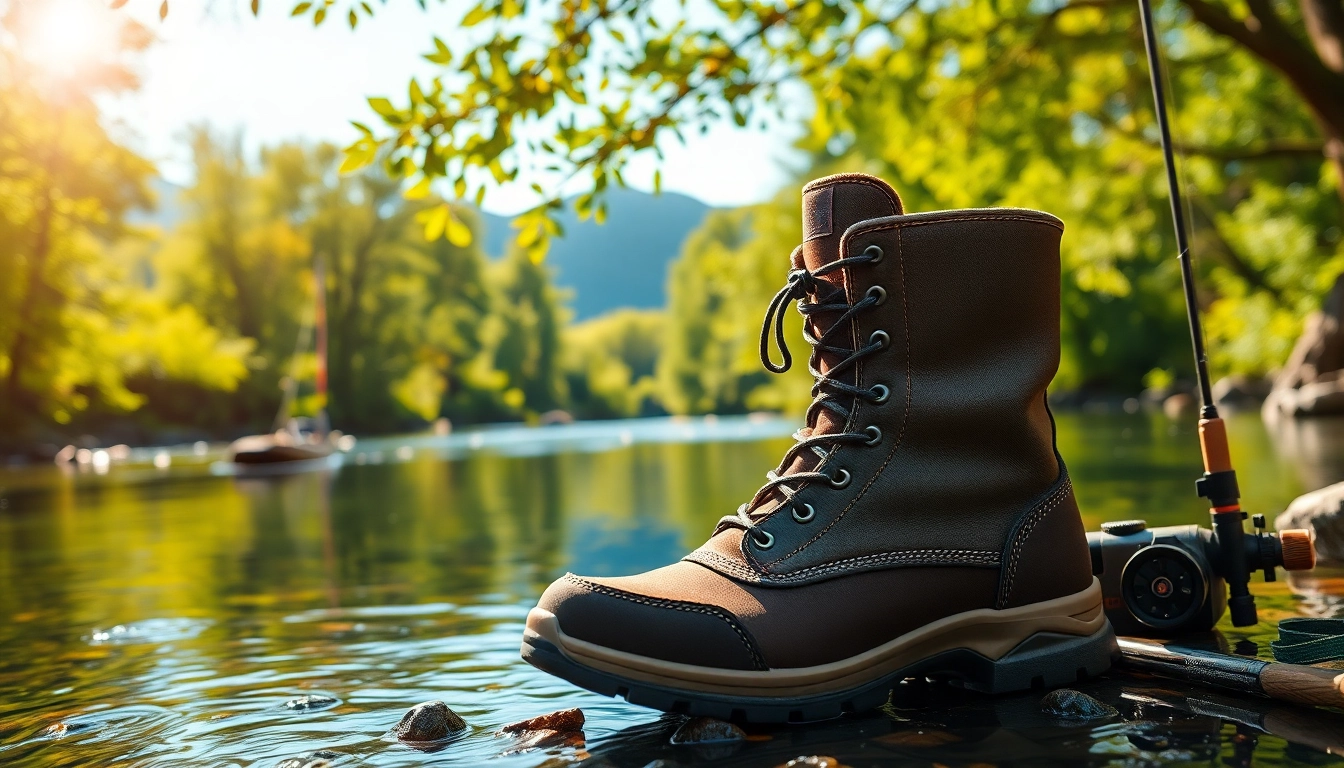
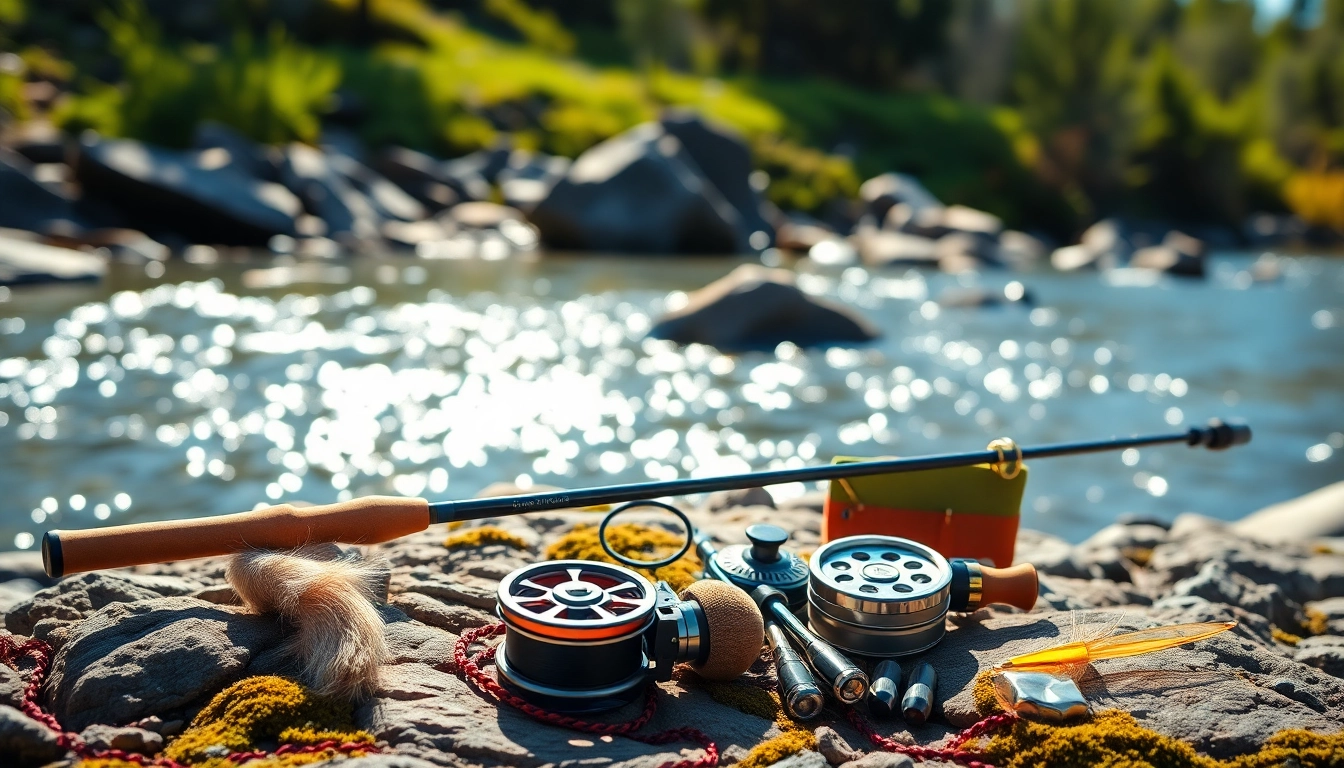
Fly fishing is an engaging outdoor activity that offers the thrill of connecting with nature while honing various skills. Whether you’re a seasoned angler or taking your first step into the world of fishing, having the right equipment is crucial. A comprehensive Fly fishing kit can lay the groundwork for a successful fishing experience, providing you with the tools needed to cast and catch with confidence.
Understanding the Basics of Fly Fishing
What is Fly Fishing?
Fly fishing is a specialized method of angling that utilizes a lightweight lure known as a fly, typically crafted from feathers, fur, and other materials. The goal is to mimic the movement of insects or other prey on the water’s surface or just beneath it. This sport is unique in its techniques, emphasizing skill and finesse over brute force. The concept revolves around the notion of presenting the fly delicately to attract fish such as trout, bass, and salmon.
Key Components of Fly Fishing
Understanding the basic components is vital for anyone engaged in fly fishing. The primary elements include:
- Fly Rod: This is the long, flexible pole used to cast the fly. Rods vary in length and weight according to the type of fishing.
- Fly Reel: A mechanism that holds the fishing line, allowing for better control during casting and reeling in catches.
- Fly Line: A specialized line designed to float on the surface and enable longer casts. It is heavier than regular fishing lines.
- Flies: Artificial lures made to look like various insects or small fish. They come in numerous styles to match different fishing situations.
Benefits of Using a Fly Fishing Kit
For beginners, a fly fishing kit presents numerous advantages:
- Comprehensive Setup: Kits typically include all necessary components, simplifying the purchasing decision.
- Cost-Effectiveness: Bundled kits are often more affordable than buying each item separately.
- Ease of Use: Pre-matched components ensure beginners don’t face compatibility issues.
- Varied Kit Options: Many kits cater to different environments and types of fish, ensuring a tailored experience.
Essential Gear in a Fly Fishing Kit
Rods, Reels, and Lines
Choosing the right rod and reel is pivotal. Rods are categorized by their weight, which affects the fly line and the type of fish you can target:
- Lightweight Rods: Suitable for streams and smaller fish.
- Medium Weight Rods: Ideal for a variety of conditions.
- Heavyweight Rods: Best for larger fish and fast-moving waters.
Additionally, the line needs to be balanced with the rod weight for optimal performance. A good rule of thumb is to match the line weight with the rod rating.
Flies and Tackle
Flies are critical to successful fly fishing. Familiarizing yourself with different types of flies can greatly improve your effectiveness on the water. Common categories include:
- Dry Flies: Meant to float on water’s surface to attract fish feeding on insects.
- Nymphs: Subsurface flies that mimic aquatic insects.
- Streamers: Designed to imitate bigger prey fish or leeches.
Accessories for a Successful Fly Fishing Experience
Beyond the core components, various accessories can enhance your fly fishing experience:
- Fishing Vest: Keeps essential tools at your fingertips.
- Waders: Protect legs from cold water and allow for deeper access.
- Tools: Items like nippers, forceps, and floatant are crucial for efficient fishing.
How to Select the Right Fly Fishing Kit
Consider Your Fishing Environment
Your fishing environment plays a major role in kit selection. Freshwater vs. saltwater, type of water body (river or lake), and targeted species should dictate your choice of rod, reel, and flies. Some kits cater specifically to freshwater species like trout, while others are designed for saltwater species such as tarpon.
Skill Level and Personal Preferences
Beginners should consider purchasing a kit that is well-reviewed for ease of use. As skills develop, personal preferences may lead to upgrading specific components, but starting with a good all-in-one kit is highly recommended. Experienced anglers might prefer a customizable setup that allows for tailored specifications.
Price Range and Quality Factors
Price can fluctuate dramatically based on quality. When choosing a Fly fishing kit, be sure to balance budget constraints with quality. Investing in a durable rod or reel that will withstand the test of time is wise even if the initial cost is higher. Look for guarantees or warranties that provide additional peace of mind.
Top Tips for Beginners Using a Fly Fishing Kit
Learning Casting Techniques
Mastering the art of casting is essential for beginners. The most effective approach is to practice your cast using grassy areas before hitting the water. Proper techniques ensure you can present your fly accurately and effectively, leading to better success rates.
Understanding Local Waters and Fish Behavior
Research local waters to learn about the fish species present, their feeding times, and the types of flies that may attract them. Understanding the water environment will increase confidence and maximize odds of landing a catch.
Practicing Safety and Conservation
Safety is paramount in any outdoor activity. Always wear a life vest if wading in fast-moving waters and familiarize yourself with the local regulations regarding fishing. Conservation practices should also be followed, such as catch and release methods to protect local fish populations.
Frequently Asked Questions about Fly Fishing Kits
What should I look for in a beginner Fly fishing kit?
Focus on quality components like a balanced rod and reel, varying fly types, and essential accessories that ensure hassle-free fishing.
Are Fly fishing kits suitable for all fishing environments?
Not all kits are universal; ensure the kit matches the specific environment and fish species you’re targeting, such as freshwater or saltwater.
How can I maintain my Fly fishing kit?
Regular cleaning after use, proper storage, and timely repairs are crucial to prolonging the life of your kit and enhancing performance.
Where is the best place to use my Fly fishing kit?
Avoid crowded fishing spots and seek out local streams, rivers, or lakes where you can effectively practice and engage in solitary fishing.
Can I upgrade parts of my Fly fishing kit later?
Absolutely! Many anglers start with a kit and later choose to upgrade specific components like rods, reels, or flies based on personal preferences.