
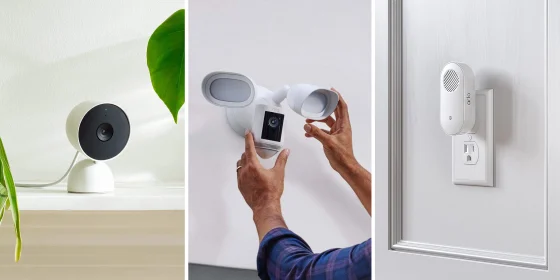
In the age of technology-driven homes, Home Security has moved beyond traditional locks and alarms. Smart home security features offer advanced protection, convenience, and peace of mind by integrating devices, automation, and monitoring into a seamless system. These features not only deter intruders but also allow homeowners to manage their security remotely, monitor environmental hazards, and respond proactively to emergencies. Understanding the essential smart home security features is crucial for homeowners and renters looking to maximize protection while maintaining comfort and convenience.
The Evolution of Home Security
Home security has evolved from simple mechanical locks to intelligent systems that leverage the internet, sensors, and automation.
From Traditional to Smart Security
Traditional security relied on physical barriers such as locks, doors, and basic alarm systems. While these measures are still valuable, they often lack flexibility, remote monitoring, and automation capabilities. Smart home security integrates technology to enhance efficiency and responsiveness.
Advantages of Smart Security Features
Smart systems offer numerous advantages, including remote access, real-time notifications, automation, data analytics, and integration with other smart home devices. These features improve protection, reduce false alarms, and provide a higher level of convenience.
Adapting to Modern Threats
Modern homes face diverse security challenges, from burglary and vandalism to environmental hazards like fire, carbon monoxide, and flooding. Smart home security features address these threats comprehensively, combining prevention, detection, and response.
Core Smart Home Security Components
Understanding the key components of smart home security is essential for designing an effective system.
Smart Locks and Access Control
Smart locks replace traditional keys with digital access methods, including codes, biometrics, or smartphone apps.
Keyless Entry and Temporary Access
Homeowners can provide temporary access codes to visitors, delivery personnel, or service providers without compromising security. Temporary access can be set to expire automatically.
Biometric Authentication
Advanced smart locks may use fingerprints, facial recognition, or voice commands for secure entry. Biometric authentication enhances safety while offering convenience.
Remote Locking and Monitoring
Smart locks allow homeowners to lock or unlock doors remotely, monitor entry activity, and receive alerts when doors are opened, ensuring oversight even when away from home.
Surveillance Cameras
Smart cameras offer real-time monitoring and intelligent analytics to detect unusual activity.
High-Definition Video and Night Vision
Modern cameras provide crystal-clear footage, even in low-light conditions, improving identification of intruders or suspicious activity.
Motion Detection and Alerts
AI-powered motion detection differentiates between humans, animals, and vehicles, reducing false alarms and ensuring alerts are meaningful.
Remote Monitoring
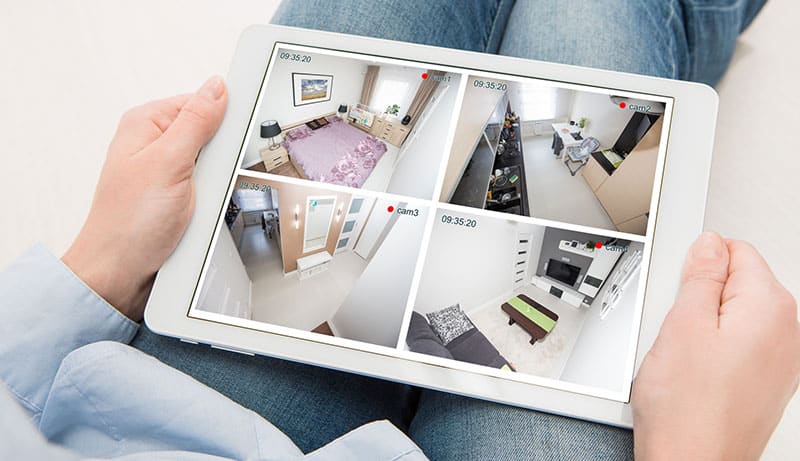
Homeowners can view live or recorded footage via smartphone apps or central hubs, allowing immediate response to incidents.
Alarm Systems and Sensors
Smart alarms and sensors integrate with other devices to provide proactive security.
Door and Window Sensors
Sensors detect forced entry or unauthorized access and trigger alarms or notifications, alerting homeowners or monitoring services.
Motion Detectors
Smart motion detectors can activate lights, cameras, or alarms when movement is detected, enhancing deterrence and response.
Environmental Sensors
Fire, smoke, carbon monoxide, gas leak, and water leak sensors protect against environmental hazards, sending instant alerts to homeowners and, in some systems, emergency services.
Smart Lighting
Lighting plays a critical role in home security by deterring intruders and increasing visibility.
Motion-Activated Exterior Lighting
Lights that turn on when movement is detected deter potential intruders and illuminate vulnerable areas around the home.
Automated Lighting Schedules
Smart lighting systems can simulate occupancy, even when the home is empty, by following programmable schedules or random patterns.
Integration With Other Devices
Lighting can be linked to alarms or cameras, providing visual cues when sensors detect unusual activity and enhancing overall system responsiveness.
Smart Doorbells
Video doorbells combine cameras, intercoms, and notifications to enhance front-door security.
Two-Way Communication
Homeowners can speak with visitors remotely via smartphone apps, verifying identities without opening the door.
Motion Detection and Alerts
Doorbells alert homeowners when someone approaches, even if they do not ring the bell, providing early awareness of potential threats.
Video Recording and Cloud Storage
Many smart doorbells record footage that can be stored locally or in the cloud, creating a digital record for security purposes.
Smart Hubs and Integration Platforms
A central hub coordinates all smart devices, simplifying management and enhancing system effectiveness.
Centralized Control
Homeowners can monitor cameras, locks, alarms, sensors, and lighting from a single interface, ensuring coordinated responses.
Automation and Conditional Triggers
Hubs allow devices to interact automatically, such as turning on lights when motion is detected or locking doors when alarms are activated.
Remote Management
Smart hubs enable homeowners to monitor and control security systems from anywhere, providing oversight and response capability at all times.
Advanced Smart Security Features
Beyond basic integration, advanced features enhance protection, convenience, and intelligence.
Artificial Intelligence and Predictive Security
AI-driven systems analyze patterns, detect anomalies, and anticipate potential security threats. Predictive analytics can notify homeowners of unusual behavior before incidents occur.
Biometric and Multi-Factor Authentication
Combining biometrics with passwords or codes provides additional security for controlling access to both physical spaces and smart devices. Multi-factor authentication ensures that only authorized individuals can interact with the system.
Geofencing and Location-Based Automation
Smart systems can respond to homeowners’ proximity, such as locking doors or adjusting alarms when leaving the property. Geofencing ensures that automation occurs automatically based on location.
Integration With Emergency Services
Advanced smart systems can automatically contact police, fire departments, or medical services when alarms or environmental sensors detect emergencies, ensuring faster response and mitigation.
Environmental Safety Features
Modern smart home security emphasizes protection from environmental hazards in addition to intrusions.
Fire and Smoke Detection
Smart detectors provide early alerts to smoke or fire, and can automatically activate alarms, lights, and notify emergency services.
Carbon Monoxide and Gas Monitoring
Detecting dangerous gases early reduces the risk of poisoning and allows homeowners to take immediate action.
Water Leak and Flood Prevention
Sensors in vulnerable areas detect leaks or flooding early, preventing extensive property damage and costly repairs.
Smart Thermostats and HVAC Integration
Connected thermostats can respond to environmental alerts, such as shutting off gas or ventilation systems during emergencies to mitigate risks.
Behavioral Strategies and Best Practices
Technology alone is insufficient; integrating behavior-based strategies strengthens security.
Regular Security Habits
Locking doors and windows, setting alarms, checking cameras, and testing sensors should be part of daily routines.
Avoiding Predictable Patterns
Varying daily schedules, using automated lighting, and managing delivery routines reduces the risk of targeted intrusion.
Educating Household Members
All occupants should understand system operation, emergency procedures, and security best practices to maximize effectiveness.
Collaboration With Neighbors and Community
Neighborhood awareness and shared alerts enhance security for everyone, providing collective vigilance and rapid reporting of suspicious activity.
Maintenance and Continuous Evaluation
Even the most advanced systems require regular attention to remain effective.
Testing Devices Regularly
Cameras, alarms, sensors, and smart locks should be tested routinely to ensure proper operation.
Updating Software and Firmware
Connected devices need updates to patch vulnerabilities, improve functionality, and maintain reliability.
Reassessing Security Needs
Periodic evaluation of risks, property changes, and emerging threats ensures that smart home security features remain aligned with protection goals.
Psychological and Practical Benefits
Smart home security features offer both tangible and intangible advantages.
Peace of Mind
Remote monitoring, automated alerts, and environmental sensors reduce anxiety by providing continuous oversight of the home.
Deterrence of Criminal Activity
Visible cameras, alarms, and lighting act as deterrents, discouraging potential intruders before they attempt entry.
Empowerment Through Control
Smart systems allow homeowners to manage security proactively, providing confidence and a sense of control over their environment.
Convenience and Efficiency
Integrated devices automate routine tasks, respond automatically to threats, and streamline security management, saving time and effort while enhancing safety.
Planning for the Future of Smart Home Security
As technology evolves, homeowners can expect more intelligent, integrated, and predictive features.
AI-Enhanced Threat Detection
Artificial intelligence will continue to improve predictive security, allowing systems to anticipate threats based on behavior patterns and historical data.
Biometric and Personalized Access
Future solutions may use advanced biometrics, voice recognition, and personalized access controls to enhance both convenience and protection.
Community and Citywide Integration
Smart home systems may connect with municipal services, neighborhood networks, and emergency responders, creating collaborative security ecosystems for enhanced safety.
Energy Efficiency and Security Integration
Integration with energy management systems ensures that security measures are efficient, environmentally responsible, and sustainable, while maintaining safety.
Conclusion
Smart home security features offer unprecedented levels of protection, convenience, and peace of mind. From smart locks and cameras to advanced sensors, AI-driven analytics, and integrated control hubs, these tools allow homeowners to monitor, respond, and prevent threats proactively. Combining technology with behavioral strategies, environmental monitoring, and regular maintenance creates a comprehensive security system suitable for modern households. Understanding and implementing these features empowers residents to protect their homes effectively while enjoying the benefits of automation, efficiency, and control. If you enjoy our blogs, you’ll love what we’ve built on our homepage.
FAQs
What are the essential smart home security features for every home?
Essential features include smart locks, video cameras with motion detection, door and window sensors, alarms, environmental sensors (fire, carbon monoxide, water leaks), smart lighting, and a centralized hub for integration and remote monitoring.
How does AI improve smart home security?
AI enhances security by analyzing behavior patterns, distinguishing between ordinary activity and potential threats, reducing false alarms, and predicting risks before they occur, allowing proactive responses.
Can renters benefit from smart home security features?
Yes. Renters can use portable cameras, stick-on sensors, smart locks, and battery-operated environmental sensors without permanent modifications. These solutions provide effective protection while complying with lease agreements.