
Understanding Sustainable Fashion
Concept and Importance of Sustainable Fashion
Sustainable fashion is more than just a trend; it represents a profound movement towards changing how we think about clothing, consumption, and the environment. This approach to fashion emphasizes the creation of garments that are environmentally friendly, socially responsible, and ethically produced. It seeks to reduce negative impacts on the earth, focusing on sustainability from the materials used to the production methods and labor practices.
At its core, sustainable fashion champions the idea that what we wear can reflect our values. It encourages consumers to connect with what they wear, promoting a sense of responsibility and mindfulness in their fashion choices. This paradigm shift is vital in combating issues such as environmental degradation, exploitation of workers in low-wage industries, and the infamous fast fashion cycle that contributes significantly to these challenges.
The importance of sustainable fashion is underscored by the way traditional fashion operates. Conventional garment production often prioritizes rapid manufacturing and low costs, leading to significant waste, pollution, and poor labor practices. By prioritizing sustainability, the fashion industry can gradually create a more ethical, environmentally conscious system that not only benefits consumers but also contributes positively to global ecological health.
How Sustainable Practices Contribute to Environmental Health
The detrimental effects of conventional fashion practices are clear—textile waste alone accounts for millions of tons disposed of in landfills each year. Sustainable practices in fashion aim to alleviate these issues through various approaches, such as utilizing eco-friendly materials, ethical labor practices, and reducing carbon footprints.
One major aspect of sustainability is the use of natural fibers over synthetics. Materials like organic cotton, bamboo, and linen have a lower environmental impact than traditional cotton or polyester, which use large amounts of water and non-renewable resources in their production. Moreover, many sustainable brands, including those showcasing handcrafted clothing, use natural dyes and processes that minimize chemical waste and pollution.
Another critical practice involves creating garments that are built to last. By focusing on quality and durability, sustainable fashion brands encourage consumers to invest in fewer items, which reduces overall consumption and waste. This not only fosters a more sustainable lifestyle but also helps consumers develop a more profound appreciation for the craftsmanship involved in their clothing.
Consumer Trends Supporting Sustainable Fashion
As awareness of climate change and environmental degradation grows, consumers are increasingly gravitating towards sustainable products. Studies illustrate that a significant percentage of shoppers now consider a brand’s sustainability practices when making purchasing decisions. This trend is particularly pronounced among younger consumers, such as millennials and Gen Z, who view their choices as both a political statement and a lifestyle choice.
Social media has played a vital role in amplifying these consumer trends. Platforms like Instagram and TikTok allow sustainable brands to showcase their practices and highlight the artisans behind their products, creating a narrative that resonates with audiences seeking authenticity and transparency. Furthermore, as influencers champion sustainable living, they inspire their followers to rethink their fashion habits and support ethical brands.
The Process of Handcrafted Clothing
Materials Used in Sustainable Garments
Handcrafted clothing stands out primarily due to the quality of materials utilized in its production. Sustainable brands typically prioritize organic and natural fibers, including Merino wool, Tencel, and hemp. These materials are often sourced responsibly, reducing their environmental impact compared to conventional alternatives.
- Merino Wool: This fine wool is known for its softness, breathability, and sustainability. Merino sheep are often raised in a humane manner, allowing for responsible sourcing.
- Tencel: Produced from sustainably sourced wood pulp, Tencel is biodegradable and requires less water to produce than cotton, making it a great option for sustainable garments.
- Hemp: Hemp is one of the most eco-friendly fabrics available. It grows quickly, requires minimal water, and can be cultivated without harmful pesticides.
Additionally, many artisans explore the use of innovative materials such as recycled textiles, upcycled fabrics, and natural dyes to create unique pieces that contribute to sustainability. The craftsmanship involved in these handcrafted garments also lends to their appeal, distinguishing them from mass-produced items.
Techniques of Hand Knitting Explained
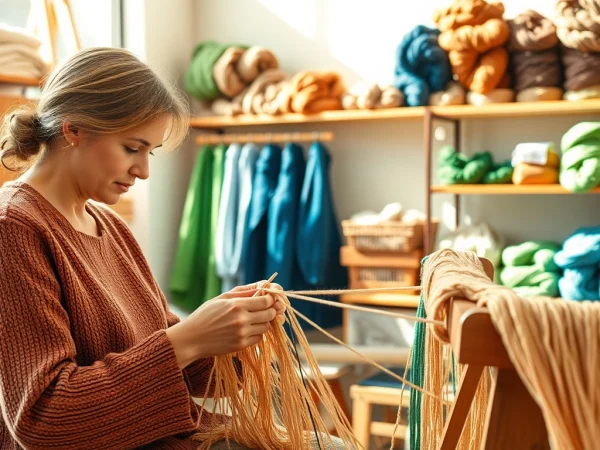
Hand knitting is an ancient technique that has evolved into a fine art. This method emphasizes the hands-on approach of creating clothing, resulting in garments that are not only unique but also carry the marks of human touch—an element lost in mass production.
In hand knitting, artisans often employ techniques such as:
- Continental Knitting: This method involves holding the yarn in the left hand, which often creates a faster and more efficient knitting style.
- English Knitting: This traditional method, where the yarn is held in the right hand, is popular for its ease and familiarity among craft enthusiasts.
- Colorwork Techniques: Techniques such as Fair Isle or intarsia allow knitters to create intricate patterns and textures, enhancing the aesthetic appeal of garments.
These knitting techniques contribute to the unique texture and design of handcrafted garments, affirming their authenticity and artistic value.
The Impact of Traditional Techniques on Modern Fashion
The resurgence of traditional crafting techniques remarkably impacts modern fashion. By intertwining age-old methods with contemporary designs, artisans are redefining what it means to create fashionable clothing today.
Traditional techniques often emphasize quality over quantity. Pieces crafted using such methods tend to be more durable, embodying a timeless aesthetic that contrasts starkly with fast fashion’s fleeting trends. Sustainable brands often focus on these techniques to promote craftsmanship and authenticity, attracting consumers who value handmade quality.
This synthesis of old and new also fosters a deeper connection between the consumer and the maker. By supporting traditional artisanship, consumers contribute to the preservation of cultural heritage and the continuation of craft practices that might otherwise decline.
Navigating the World of Artisanal Knits
Features of High-Quality Hand Knitted Items
When searching for quality hand-knitted items, several features distinguish exceptional pieces. Understanding these characteristics can enhance the shopping experience and ensure that consumers invest in garments that reflect both quality craftsmanship and sustainability.
- Material Quality: High-quality hand knits are often made from premium fibers, such as organic wool, alpaca, or cashmere.
- Craftsmanship: Attention to detail in stitching, finishing, and overall construction indicates a skilled artisan’s touch, ensuring durability and longevity.
- Unique Designs: Each hand-knitted piece is unique, showcasing the individual artistry of the knitter. This artisanal touch provides character and differentiation.
Differences Between Industrial and Handmade Clothing
The differences between industrial and handmade clothing are stark and significant. Industrially produced garments prioritize efficiency, lowering costs, and mass appeal, often at the expense of quality and sustainability.
Handmade options, in contrast, focus on quality and craftsmanship. Factors such as time-intensive production processes, selective material sourcing, and artisanal techniques grant handmade clothing a distinct character and value. While industrial garments may cater to fleeting trends, handmade items often embody a sense of timelessness and individuality, appealing to consumers seeking unique pieces in their wardrobes.
How to Choose Authentic Handcrafted Pieces
Selecting authentic handcrafted pieces can feel overwhelming, especially in a market where mass-produced items often masquerade as artisanal. Here are actionable tips for identifying genuine craftsmanship:
- Research the Brand: Familiarize yourself with brands that prioritize sustainability and ethical practices. Authentic artisans often share their stories and production methods transparently.
- Inspect Materials: High-quality handcrafted garments are typically created from natural or organic fibers. Always check labels and inquire about sourcing.
- Evaluate Craftsmanship: Look for uneven stitches or subtle irregularities—these are marks of true handmade items and add to their charm.
Shopping at https://www.ound-ound.com
Navigating the Online Store for Sustainable Choices
Shopping for sustainable fashion online can be a rewarding experience, especially at a platform like https://www.ound-ound.com. This site features an extensive collection of artisanal garments that reflect sustainable practices aligned with consumer values. Visitors can easily browse categories that include hand-knitted items, hand-dyed garments, and jewelry—offering a comprehensive selection for the environmentally conscious consumer.
Moreover, the site ensures a user-friendly shopping experience, with detailed product descriptions and clear images that assist consumers in understanding the quality and uniqueness of each piece. By highlighting material composition, care instructions, and even artisan backgrounds, https://www.ound-ound.com empowers consumers to make informed choices.
Understanding Price Ranges and Value
One common misconception about sustainable fashion is that it is prohibitively expensive. While it is true that handcrafted items may come at a higher price point than fast fashion, it’s crucial to understand the value behind these costs. High-quality materials, intricate craftsmanship, and ethical labor practices all contribute to the final price of handmade goods.
Additionally, purchasing handcrafted clothing is an investment. Unlike fast fashion pieces that may only last a season, well-made artisanal garments are designed for durability and timelessness. As such, buying sustainably can be more economical in the long run when considering the lifespan and quality of the item.
Customer Reviews and Feedback on Sustainability
Consumer feedback is invaluable when navigating the world of sustainable fashion. By reviewing customer testimonials and experiences, potential buyers can gather insights about product quality, fit, and overall satisfaction.
Moreover, many sustainable fashion brands, including those featured on https://www.ound-ound.com, encourage customers to leave reviews upon receiving their items. These reviews often highlight the social and environmental impacts of their purchases—reinforcing the brand’s commitment to sustainability and allowing new shoppers to gauge the value of handmade clothing based on real experiences.
Future of Sustainable Fashion
Trends Shaping the Future of Handcrafted Clothing
The future of sustainable fashion appears bright, driven by the increasing recognition of the importance of ethical consumption. Emerging trends are reshaping the industry, including innovations in sustainable materials, an emphasis on local production, and the promotion of circular economies.
For example, fabric technology has made strides in creating out of recycled materials, while brands focus on engaging local artisans, creating jobs, and revitalizing traditional crafting techniques. Additionally, concepts such as clothing rental and resale are gaining popularity, allowing consumers to enjoy fashion sustainably without the burden of ownership.
How Consumers Can Influence Sustainable Practices
Consumers have a significant role to play in promoting sustainable practices in fashion. By making conscious purchasing decisions, they can necessitate a shift within the industry. Here are some ways to drive this change:
- Support Sustainable Brands: Choose to spend with brands that embody responsible practices and align with personal values.
- Educate Themselves and Others: Share knowledge about sustainable fashion and its importance, helping others understand their impact.
- Advocate for Transparency: Encourage brands to maintain transparency about their sourcing, production, and labor practices.
Commitments to Sustainability in Fashion Brands
As consumers increasingly demand sustainability, fashion brands are responding positively by committing to environmentally friendly practices. Many brands are implementing strategies to reduce waste, generate ethical employment opportunities, and use eco-friendly materials. These commitments resonate with consumers and build brand loyalty, indicating a promising trend towards a more responsible fashion industry.
In summary, the future of sustainable fashion hinges on a concerted effort from both consumers and brands to reshape how clothing is conceptualized, produced, and consumed. By championing artisanal craftsmanship and making informed purchasing decisions, consumers can play a pivotal role in promoting sustainability in fashion.