
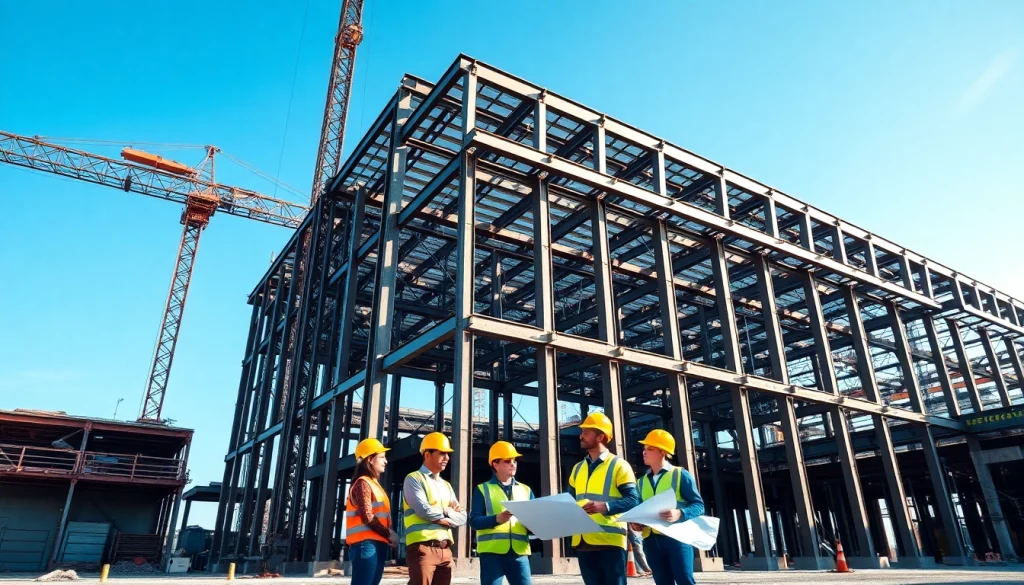
Understanding Structural Steel Construction
Structural steel construction is a versatile and robust building technology that plays a vital role in the modern architectural landscape. By employing the strength and durability of steel, construction professionals can create structures that not only withstand extreme forces but also offer design flexibility and rapid construction. This guide delves deeply into the world of structural steel construction, exploring its benefits, applications, and fundamental components. For thorough insights, developers and contractors are encouraged to consider structural steel construction as a core element of their projects.
What is Structural Steel Construction?
Structural steel construction involves creating structures using steel as the primary material, defined by its ability to bear loads. This construction method utilizes steel sections, like beams and columns, to transfer loads from the building to its foundation, ensuring stability and strength. The unique properties of structural steel, including high tensile strength, ability to withstand compression, and ductility, make it an outstanding choice for various types of construction, from skyscrapers to bridges.
Benefits of Using Structural Steel
The advantages of structural steel construction are many, making it a preferred option for modern construction projects:
- Strength and Durability: Steel offers exceptional strength-to-weight ratios, allowing for longer spans and taller structures without compromising safety.
- Design Flexibility: Due to its malleability, steel can be fabricated into various shapes and sizes, accommodating innovative designs.
- Speed of Construction: Structural steel components are often pre-fabricated, reducing onsite labor and construction time.
- Cost-effectiveness: Although the initial costs may be higher, the longevity and minimal maintenance needs contribute to lower overall lifecycle costs.
- Recyclability: Steel is highly recyclable, making it an environmentally friendly choice in accordance with sustainable building practices.
Common Applications of Structural Steel Construction
Structural steel is employed across various sectors, each benefiting from its unique properties. Some common applications include:
- Commercial Buildings: High-rise offices and shopping complexes often utilize structural steel for support and architectural aesthetics.
- Bridges: Steel’s strength and durability make it ideal for bridge construction, allowing for expansive spans and minimal maintenance.
- Industrial Facilities: Warehouses and manufacturing plants use structural steel for their ability to accommodate heavy machinery and equipment.
- Residential Homes: Steel frameworks are increasingly utilized in residential construction, particularly in modern and custom homes.
Key Materials and Components
Types of Steel Used in Construction
Understanding the different types of steel is essential for selecting the right material for a project. Key types include:
- Carbon Steel: The most common steel used for structural purposes, carbon steel provides high strength and ductility, with varying levels of carbon content affecting its properties.
- Alloy Steel: This type of steel contains additional elements like chromium or nickel, enhancing strength, toughness, and corrosion resistance.
- Stainless Steel: Known for its resistance to corrosion, stainless steel is used in environments that require durability against moisture and chemical exposure.
- High-Strength Low-Alloy (HSLA) Steel: This steel type is often used in structural applications for its improved mechanical properties and weldability.
Essential Tools and Equipment for Structural Steel Construction
The construction of structural steel requires various specialized tools and equipment, including:
- Cranes: Essential for lifting heavy steel beams and sections into place during construction.
- Welding Equipment: Used to join steel components securely, ensuring structural integrity.
- Cutting Tools: Plasma cutters, torches, and saws are necessary for fabricating steel pieces to the precise dimensions needed.
- Measuring Instruments: Tools such as laser levels, tape measures, and dial indicators ensure that components are positioned accurately.
How to Choose Quality Materials
Selecting high-quality materials is critical for the performance and safety of any structural steel project. Consider the following factors:
- Certification: Ensure materials are certified by reputable organizations that meet the relevant engineering standards and codes.
- Supplier Reputation: Work with established suppliers known for providing quality steel with a track record of reliability.
- Material Properties: Assess the mechanical properties such as yield strength, tensile strength, and ductility to match project requirements.
- Corrosion Resistance: For projects in harsh environments, consider materials that include protective coatings or are inherently resistant to corrosion.
Design and Engineering Considerations
Importance of Proper Design in Structural Steel Construction
The design phase is crucial in structural steel construction, as it lays the foundation for the success of the entire project. Effective design addresses:
- Load-Bearing Requirements: Understanding load types (dead, live, wind, and seismic loads) allows engineers to create safe and efficient designs.
- Efficiency: Utilizing software and engineering principles to optimize material usage reduces waste and cuts project costs.
- Aesthetic Integration: Balancing form and function allows for visually appealing structures that retain structural integrity.
Engineering Standards and Codes
Adhering to industry standards and codes is key to ensuring safety and reliability in structural steel construction. Notable standards include:
- American Institute of Steel Construction (AISC): Provides guidelines for steel construction practices in the United States.
- American Welding Society (AWS): Establishes standards for welding procedures and quality assurance.
- International Building Code (IBC): Sets regulations for building safety and structural integrity.
Common Design Challenges and Solutions
Designing for structural steel construction can pose several challenges; however, understanding these issues can lead to effective solutions:
- Challenges with Load Distribution: Utilizing computer-aided design software helps visualize load paths, ensuring proper distribution across the structure.
- Joint Design: Employing advanced welding and connection techniques can minimize stress concentrations and improve joint performance.
- Fire Resistance: Incorporating fire-resistant materials and designs helps maintain performance according to safety standards.
Construction Process and Best Practices
Steps in the Structural Steel Construction Process
The construction process typically unfolds in several key stages:
- Planning and Design: Initial project requirements are assessed and designs approved.
- Fabrication: Steel components are cut, shaped, and prepared based on design specifications.
- Transportation: Fabricated materials are transported to the construction site in preparation for assembly.
- Assembly: Steel components are erected, commonly using cranes and other lifting equipment to secure them in place.
- Finishing: Final touches, such as painting and protective coatings, are applied for aesthetics and corrosion resistance.
Best Practices for Safety Onsite
Safety should always be a top priority in structural steel construction. Effective safety practices include:
- Training and Certification: Ensure all workers are adequately trained and certified in safe steel handling and construction practices.
- Personal Protective Equipment (PPE): Mandate the use of hard hats, gloves, and harnesses to protect workers from potential hazards.
- Site Hazard Assessments: Regularly conduct safety assessments to identify and mitigate risks before they result in accidents.
Quality Control and Inspections
Maintaining high standards of quality control is vital for structural integrity. Key quality control measures include:
- Materials Inspection: Conduct thorough inspections of all materials upon delivery to ensure they meet specified standards.
- Welding Inspection: Regular inspection of welds during fabrication and assembly to verify they meet specifications and codes.
- Structural Inspections: Engage certified inspectors to assess the overall construction periodically to detect and rectify issues early.
Future Trends in Structural Steel Construction
Innovative Techniques in Structural Steel Construction
As technology evolves, so does the potential for innovation in structural steel applications. Emerging trends include:
- Modular Construction: Pre-manufactured steel units allow for rapid assembly on-site, significantly speeding up project delivery timelines.
- 3D Printing: Advances in 3D printing technology are enabling architects and engineers to create complex steel geometries that were previously difficult to achieve.
- Smart Structures: Integration of sensors within steel frameworks provides real-time data, allowing for proactive maintenance and safety assurance.
Sustainability in Structural Steel Use
With a growing focus on environmental responsibility, sustainability in structural steel construction is increasingly prioritized. Notable practices include:
- Recycled Materials: Utilizing recycled steel not only reduces material costs but also lessens environmental impact by conserving resources.
- Energy Efficiency: Innovative designs and materials minimize energy consumption during the building’s lifecycle.
- Green Certifications: Pursuing LEED or other sustainable building certifications demonstrates a commitment to environmental stewardship.
The Role of Technology in Modern Construction
Technological advancements are reshaping structural steel construction, leading to enhanced efficiency, accuracy, and safety. Key technologies include:
- Building Information Modeling (BIM): BIM provides a comprehensive digital representation of physical and functional characteristics, facilitating better design collaboration.
- Drones: Aerial surveying and monitoring with drones can enhance site assessments and progress tracking.
- Project Management Software: Advanced software tools streamline project timelines, budgets, and resource allocation for more efficient project execution.