
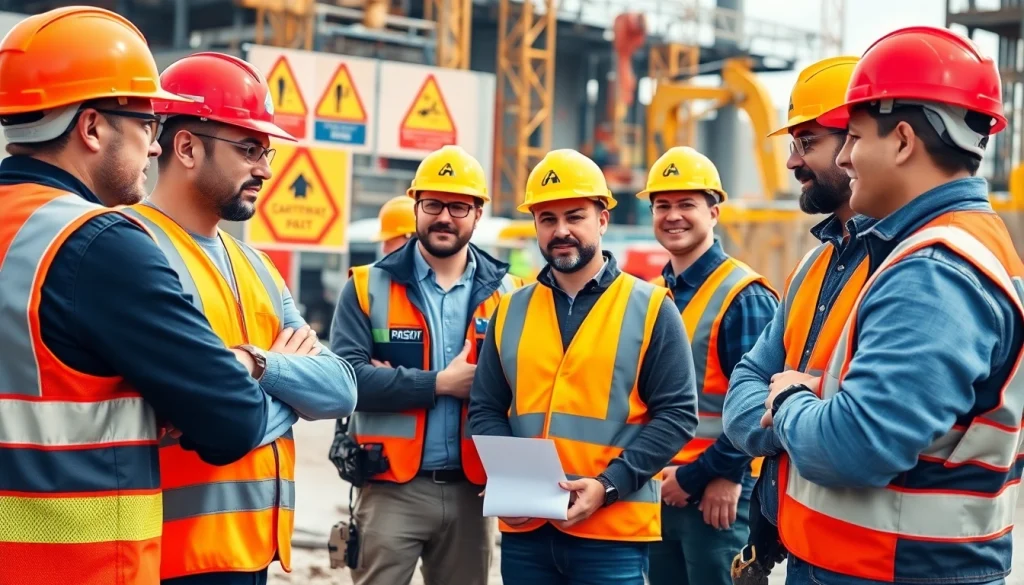
Understanding Construction Safety Training
Construction safety training is an essential component in the building and construction industry. It equips workers with the necessary skills and knowledge to ensure safety on-site, minimize accidents, and comply with legal regulations. A well-structured construction safety training program not only protects workers but also enhances productivity and fosters a culture of safety among all team members. Let’s delve deeper into the significance and structure of a comprehensive construction safety training program.
Importance of Construction Safety Training
The construction industry is one of the most hazardous occupations, with many workers facing high risks of injury and fatality. According to statistics, a significant percentage of on-the-job injuries can be attributed to a lack of proper safety training. Implementing effective safety training programs is crucial for the following reasons:
- Reduction in Accidents: Proper training helps workers identify hazards and understand safety protocols, significantly decreasing workplace accidents.
- Compliance with Regulations: Many states require compliance with Occupational Safety and Health Administration (OSHA) regulations, which mandate training for various construction roles.
- Improved Worker Morale: When workers feel safe and supported through training, their morale improves, leading to higher productivity and job satisfaction.
- Cost Efficiency: Reducing accidents decreases workers’ compensation claims and insurance costs, saving companies considerable funds.
Key Regulations and Standards
Understanding key regulations and standards is another fundamental aspect when discussing construction safety training. The Occupational Safety and Health Administration (OSHA) provides guidelines that lay the foundation for safety training in the construction sector. These regulations cover areas like:
- Fall protection requirements
- Personal protective equipment (PPE) standards
- Hazard communication
- Scaffold safety guidelines
- Electrical safety provisions
By adhering to these regulations, construction companies demonstrate their commitment to safety and the well-being of their employees, making it imperative to incorporate training that reflects these standards.
Roles of Participants in Training
Effective construction safety training involves various participants, each playing a vital role in the process:
- Management: Responsible for creating a safety culture and allocating resources for training.
- Safety Officers: They monitor compliance, facilitate training sessions, and ensure implementation of safety protocols.
- Trainers: Skilled professionals who deliver training effectively, ensuring that material is understood and applicable.
- Workers: The primary beneficiaries of training, whose responsibility it is to apply the knowledge gained from the training in their daily activities.
Common Hazards in Construction Environments
Understanding potential hazards is essential for an effective safety training program. The construction environment is filled with various risks that can lead to serious injuries or fatalities.
Identifying Workplace Hazards
Hazards in construction can be classified into several categories:
- Physical Hazards: These include falls from heights, moving machinery, and slips or trips due to uneven surfaces.
- Hazardous Materials: Exposure to chemicals, asbestos, and toxic substances during construction processes.
- Environmental Hazards: Weather conditions, noise exposure, and working in confined spaces.
Training programs should emphasize hazard recognition, enabling workers to anticipate and mitigate risks before they lead to accidents.
Preventive Measures and Protocols
Once hazards are identified, it is crucial to implement preventive measures. Training must cover:
- The use of fall protection systems, such as harnesses and guardrails.
- Proper procedures for material handling and equipment use.
- Clear communication protocols for hazardous situations.
By integrating preventive strategies into training, companies can foster a proactive safety environment.
Case Studies of Safety Incidents
Examining case studies can provide real-life context on the importance of safety training. Consider a construction site where a worker fell from a scaffold due to a lack of proper harness use. An investigation revealed that the worker had not received adequate training on fall protection. This case exemplifies how comprehensive training could have prevented the incident. By discussing such case studies during training, workers can better relate to the material and see the real-world implications of safety protocols.
Types of Construction Safety Training Programs
There is no one-size-fits-all solution when it comes to construction safety training. Programs should be tailored to the specific needs of the workers and the environment.
Essential OSHA Training Requirements
As stated, OSHA training requirements are fundamental in the construction industry. Key courses may include:
- OSHA 10-Hour Training: Aimed at entry-level workers, focusing on basic safety and health information.
- OSHA 30-Hour Training: This more comprehensive training covers advanced safety topics for supervisors and experienced workers.
These courses provide a standardized foundation for workers and ensure compliance with national safety standards.
Specialized Training Topics
In addition to the basic OSHA training, companies may require specialized training in areas such as:
- Hazardous waste operations
- Confined space entry
- Construction site safety management
Providing specialized training reflects a company’s commitment to exceeding minimum safety standards and addressing specific risks associated with their projects.
Certification and Credentialing
Earned certifications can provide validation for a worker’s competency in safety practices. Programs such as the Construction Safety Management Certificate or various First Aid/CPR certifications are excellent for enhancing an employee’s credentials and demonstrating a commitment to workplace safety. Implementing credentialing protocols helps ensure workers are prepared to enforce safety measures on-site.
Developing Your Construction Safety Training Plan
Creating an effective construction safety training plan requires assessing various factors to ensure its success.
Assessing Training Needs
The first step in developing a training plan is to assess the specific needs of the workforce. This can include evaluating:
- Previous incident reports
- Employee feedback
- Risk assessments
By understanding the unique challenges faced by their workforce, companies can design training that addresses their specific requirements.
Creating Effective Training Modules
Once needs are assessed, training modules should be created that employ a variety of instructional methods, such as:
- Interactive workshops
- Online courses
- Hands-on practical training
Utilizing multiple formats ensures learning is engaging and caters to diverse learning styles.
Evaluating Training Outcomes
To measure the effectiveness of training programs, companies should regularly evaluate outcomes through:
- Employee feedback surveys
- Incident tracking
- Performance assessments
Regularly assessing training outcomes enables companies to refine their programs, addressing any areas in need of improvement.
Future Trends in Construction Safety Training
As the construction industry evolves, so too does the approach to safety training. Emerging trends are shaping the way training is delivered and received.
Leveraging Technology for Training
As technology advances, so do training methods. Virtual Reality (VR) and Augmented Reality (AR) are increasingly used to create immersive training experiences. These technologies allow workers to practice safety procedures in a controlled, simulated environment, enhancing their understanding and retention of information.
Innovative Training Techniques
Innovative techniques such as gamification in training programs help keep learners engaged and make the information more relatable. By applying games and simulations, companies can teach workers the same protocols in a less stressful and more enjoyable manner, promoting better understanding and retention.
Building a Safety Culture in Construction
A strong safety culture is essential for effective safety training. Companies should promote values that prioritize safety at every level of operation. Leaders must model safe practices while encouraging open communication about safety concerns. This approach fosters a shared commitment to maintaining a safe work environment, ultimately leading to a more successful construction safety training program.