Understanding Fly Fishing Boots
When it comes to fly fishing, having the right gear can make all the difference in your experience on the water. Among the most critical components of your fishing ensemble are your fly fishing boots. These boots not only provide comfort but are fundamental for performance, safety, and protection against the elements. This guide delves into the world of fly fishing boots, equipping you with the knowledge needed to choose the right pair for your needs.
The Importance of Quality Footwear
The terrain and environmental factors encountered during fly fishing can be challenging. Quality footwear is essential not only for comfort during long hours of standing and waiting but also for safety while navigating slippery rocks and uneven surfaces. Poorly fit or low-quality boots can lead to blisters, foot fatigue, and even accidents when wading through rivers and streams.
Moreover, fly fishing often requires traversing wet and muddy conditions, which may lead to injuries or discomfort if your boots are not adequate. Investing in high-quality fishing boots can mean the difference between a frustrating day and a successful adventure on the water.
Different Types of Fly Fishing Boots
There are various types of fly fishing boots suited for distinct environments, preferences, and styles of fishing. Understanding these options can help you make an informed decision about which boots will serve you best.
1. Wading Boots
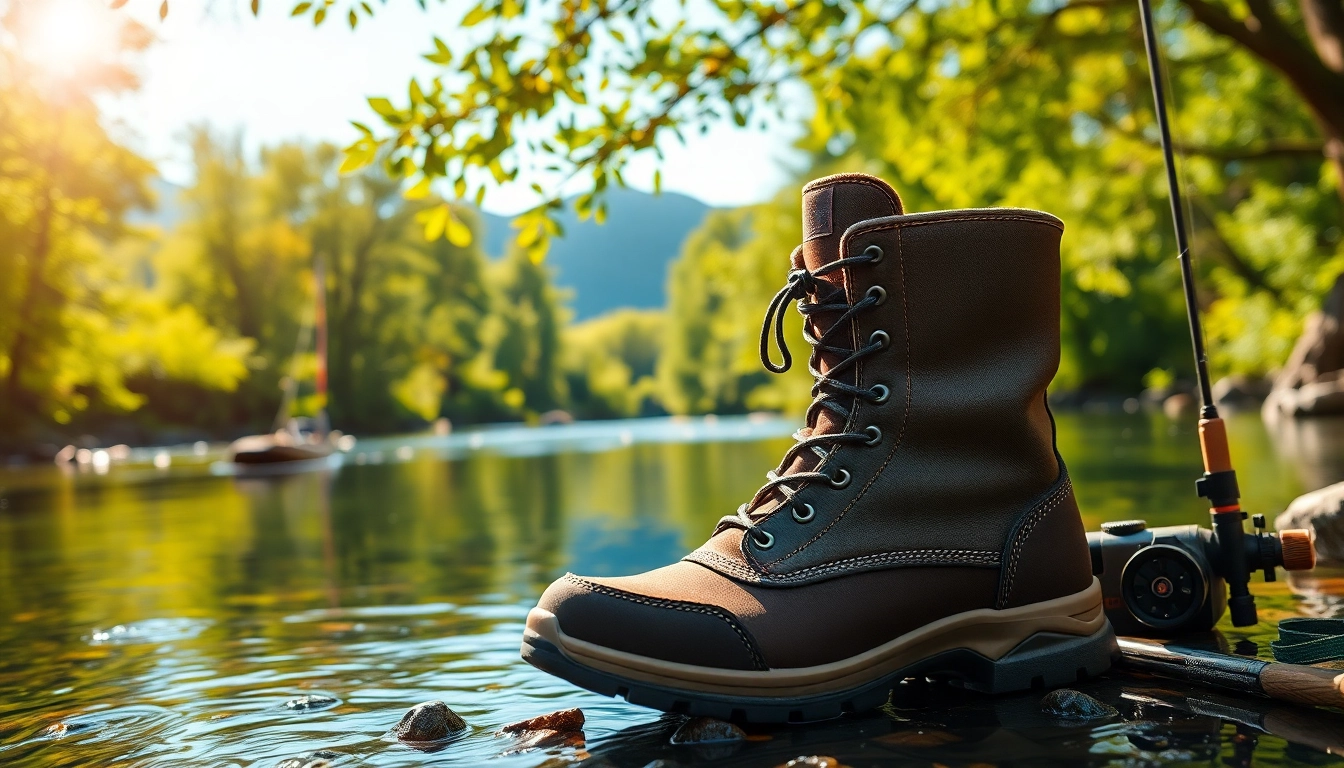
Wading boots are primarily designed to be worn while standing in water. They often feature rubber or felt soles, which provide enhanced traction on slippery surfaces. Wading boots typically come in lightweight models for ease of movement and heavy-duty options for rocky or uneven riverbeds.
2. Waterproof Boots
As the name suggests, waterproof boots are designed to keep your feet dry even in the worst conditions. These boots are often made from materials that offer excellent water resistance, ensuring your feet stay comfortable throughout the day.
3. Hybrid Models
Hybrid fly fishing boots combine the features of traditional wading boots with those of hiking boots. These versatile styles offer the support and traction needed for varied terrain, allowing anglers to transition easily from land to water without changing footwear.
Key Features to Look For
When selecting fly fishing boots, several key features can enhance your overall experience. Here are some important aspects to consider:
1. Traction
The soles of the boots should provide adequate grip on wet surfaces. Look for boots with felt soles for slippery rocks or rubber soles with lugs that can handle mud and diverse terrain.
2. Comfort and Fit
Ensure the boots fit well and provide sufficient support. The right fit minimizes blisters and enhances overall comfort, particularly during long periods of standing and walking.
3. Waterproofing
Your boots should have good waterproofing features to keep your feet dry. Look for quality materials and seals that prevent water from seeping in.
4. Durability
Considering that fly fishing often involves exposure to harsh elements, it’s imperative to select boots made from robust materials that can handle wear and tear. High-quality stitching and construction are vital signs of durability.
Top Brands in Fly Fishing Boots
The market for fly fishing boots is rich, with numerous brands offering products that cater to various needs. Here are some of the top brands known for their quality:
Brand A: Innovating Comfort and Performance
One of the most renowned brands in the fishing boot industry is Simms. They have made a name for themselves with innovative designs that prioritize both comfort and performance. Simms boots often boast advanced materials for waterproofing and breathability, making them a favorite among serious anglers.
Brand B: Durable and Affordable Options
Korkers is another brand that is worth considering when looking for fly fishing boots. They focus on delivering durable yet affordable options featuring interchangeable sole technology, allowing anglers to customize their traction needs based on the terrain.
Brand C: High-End Quality for Serious Anglers
For those who are willing to invest in premium quality, Patagonia is a leading brand. Known for their commitment to sustainability, Patagonia boots blend high-tech features with environmental consciousness, catering to the serious angler who values performance and eco-friendliness.
Selecting the Right Fly Fishing Boots for Your Adventure
Selecting the right fly fishing boots is not just a matter of preference; it involves understanding various factors that can significantly affect your fishing experience. Here’s what to consider:
Consider Your Fishing Environment
The type of water you’ll be fishing in is a crucial deciding factor for the type of boots you need. If you're wading in rocky streams, a sturdy boot with excellent traction is necessary. Conversely, if you will be fishing at the shore, lighter boots that provide flexibility might be preferable.
How to Choose Size and Fit
When it comes to footwear, size matters. Make sure to try on boots with the socks you plan on wearing while fishing; this can change how a boot fits on your foot. Keep in mind that your boots should feel snug but not overly tight, allowing enough room for circulation and movement.
Selecting the Right Material for Conditions
Boots come in various materials, each offering different levels of performance in varying conditions. Neoprene, for example, is insulated and suitable for cold waters while breathable fabrics can keep your feet cool during warmer days. Assess the environmental conditions you will encounter to choose the best material.
Maintenance Tips for Fly Fishing Boots
Cleaning and Caring for Your Boots
After each fishing trip, it’s essential to clean your boots thoroughly. Remove dirt and mud by rinsing them with freshwater and allowing them to dry naturally. Avoid exposing them to direct sunlight or heat sources, as these can damage the materials.
Storage Tips to Extend Lifespan
When storing your boots, ensure they are completely dry to prevent mold and unpleasant odors. Keep them in a cool, dry place, and avoid storing them in cramped spaces as this can warp their shape.
Signs Your Boots Need Replacement
There are several signs that your boots may need replacing. Look out for cracks, tears, or worn-out soles. Additionally, if you notice that your feet are frequently getting wet while wearing them, it may signal that your waterproofing has failed.
Conclusion: Investing Wisely in Fly Fishing Boots
Choosing the right fly fishing boots is an important investment for any angler. The appropriate pair will enhance your comfort, safety, and performance on the water. Understanding the different types available, evaluating features, and keeping maintenance in mind will guide you in making an informed decision.
Assessing Value vs. Cost
While it may be tempting to go for the cheapest option, consider it an investment in your outdoor experience. Higher-quality boots may come with a higher price tag but will likely provide better support, durability, and protection, ultimately offering better value in the long run.
Final Thoughts for Every Angler
As you embark on your fly fishing adventures, remember that comfort and functionality begin with your boots. Make informed decisions that cater to your specific needs, and prioritize quality and fit. This consideration ensures not only a better fishing experience but also reduces the chances of injury.
Encouraging Proper Footwear Choices
Your footwear can significantly affect your success and enjoyment in fly fishing. By choosing the right boots, based on the insights discussed, you’re setting yourself up for a satisfying fishing experience. Take your time, do your research, and invest thoughtfully in a pair of fly fishing boots that will serve you well season after season.