Understanding the Role of a Crisis Management Consultant
In an unpredictable world where businesses face various challenges, the role of a crisis management consultant has become increasingly vital. These specialists provide essential support for organizations navigating through tumultuous periods, whether due to marketplace fluctuations, operational disruptions, or unexpected public scrutiny. By employing strategic frameworks and proven methodologies, crisis management consultants empower businesses to not only survive crises but emerge stronger and more resilient.
What is a crisis management consultant?
A crisis management consultant is a professional who specializes in preparing for, responding to, and recovering from crises. This may include any situation that poses a threat to the organization’s viability, reputation, or operational success. Consultants work with businesses across various sectors to develop preemptive strategies and action plans aimed at mitigating the impact of potential crises. Their expertise often encompasses risk assessment, communication methodologies, and recovery planning, allowing organizations to maintain or restore their reputation amid challenges.
Key skills and expertise required
The role of a crisis management consultant demands a diverse skill set, mainly centered around strong analytical, communication, and management competencies. These may include:
- Analytical skills: The ability to assess situations critically and develop data-driven strategies.
- Communication skills: Crafting clear, effective messages that resonate with varying audiences, particularly in high-stress situations.
- Problem-solving: Identifying the root cause of issues quickly and formulating actionable solutions.
- Leadership: Guiding organizations during tumultuous times and ensuring team alignment toward recovery efforts.
- Industry knowledge: Understanding the specific challenges and regulations inherent to different sectors, from healthcare to finance.
Importance of crisis management consulting
The relevance of crisis management consulting lies in its proactive and reactive capabilities. Organizations are increasingly recognizing that effective crisis management is not just about damage control but also about preserving stakeholder trust and enhancing operational resilience. Consultants help businesses establish a solid foundational framework that minimizes risks and allows for rapid response when crises occur. By integrating comprehensive crisis plans, organizations not only safeguard their assets but also foster a culture of preparedness that enhances long-term performance.
Common Crisis Scenarios Addressed by a Crisis Management Consultant
Crisis management consultants encounter a wide array of scenarios, each requiring tailored strategies. The complexities of these situations often depend on the nature of the crisis—whether originating internally or externally. Below, we explore some common crises faced by organizations:
Internal crises: HR and operational challenges
Internal crises can arise from various factors including employee misconduct, leadership breakdowns, or operational failures. These scenarios often require swift action to mitigate loss and restore harmony within the organization. A skilled crisis management consultant will assist in:
- Human Resource Issues: Addressing conflicts, harassment allegations, or labor disputes through mediation and clear policies.
- Operations Management: Implementing contingency plans to address operational outages or supply chain disruptions.
- Change Management: Guiding organizations through structural changes that may induce uncertainty among employees, ensuring transparency and effective communication at all levels.
External crises: Public relations and reputational damage
External crises often carry significant reputational risks, emerging from factors such as negative media coverage, customer complaints, or regulatory sanctions. Addressing these scenarios necessitates involving public relations strategies and stakeholder engagement tactics. Crisis management consultants play a crucial role in:
- Media Communication: Developing targeted messaging to address media inquiries, mitigate public backlash, and control the narrative.
- Stakeholder Engagement: Working to maintain relationships with customers, investors, and the community through transparent communication and outreach initiatives.
- Reputational Recovery: Implementing strategies aimed at rebuilding trust and enhancing brand credibility post-crisis through effective storytelling and community engagement.
Crisis examples in various industries
Diverse industries confront unique challenges, leading to a need for specialized crisis management approaches. For example:
- Healthcare: The COVID-19 pandemic unveiled significant operational and ethical dilemmas for healthcare providers, necessitating new protocols for patient safety and staff communication.
- Financial Services: Companies in this sector may face crises related to data breaches, requiring rapid transparency to uphold trust and compliance with regulatory frameworks.
- Consumer Goods: Product recalls due to safety concerns necessitate swift communication plans and recovery strategies to minimize consumer implications.
Best Practices Implemented by Crisis Management Consultants
Effectively managing crises involves adhering to structured best practices that guide organizations throughout the crisis lifecycle. Key practices include:
Developing a crisis management plan
Central to any robust crisis management strategy is a comprehensive crisis management plan. Consultants work collaboratively with organizations to develop these plans, often incorporating the following elements:
- Risk Assessment: Evaluating potential vulnerabilities and defining crisis scenarios that could impact operations.
- Action Plans: Establishing clear protocols outlining who is responsible for what actions during various crisis scenarios.
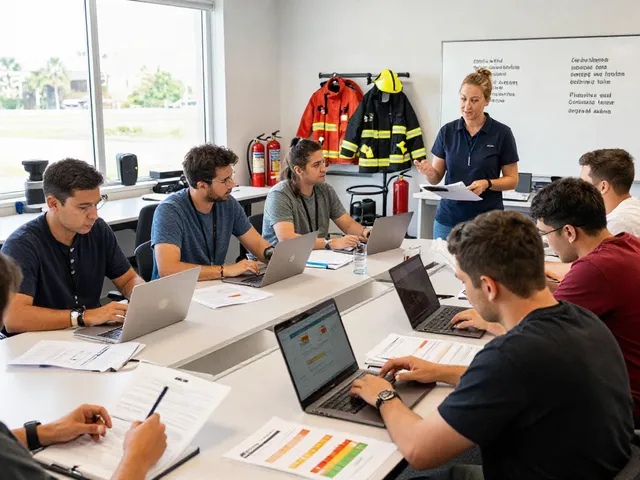
- Training and Drills: Conducting simulations and training exercises to prepare staff for effectively implementing the crisis management plan.
Communication strategies during a crisis
Effective communication is a linchpin of successful crisis management. Adopting a structured approach that emphasizes clarity and empathy can facilitate stronger responses. Key aspects include:
- Establishing a Communication Team: Designating a team of spokespeople and coordinators to manage external and internal communications.
- Crafting Timely Messages: Ensuring that communications are timely and relevant, keeping stakeholders informed at every step of the process.
- Utilizing Multiple Channels: Engaging with stakeholders through various channels, including social media, press releases, and direct communication.
Post-crisis analysis and recovery
After addressing the immediate concerns of a crisis, organizations must shift focus toward recovery and learning. This phase is vital for implementing improvements and preparing for future challenges. Key components include:
- Debriefing Sessions: Conducting detailed discussions with staff to evaluate response efforts and identify lessons learned.
- Impact Assessment: Analyzing the effects of the crisis on business operations, reputation, and stakeholders.
- Revised Planning: Updating crisis management plans and protocols based on insights gathered throughout the crisis experience.
Measuring the Success of a Crisis Management Consultant's Efforts
Success in crisis management is often determined by the ability to quantify results and derive actionable insights. Measuring effectiveness requires clarity around key performance indicators (KPIs), stakeholder feedback, and documented case studies. This section delves deeper into these crucial aspects:
Key performance indicators to evaluate effectiveness
KPIs provide a framework for organizations to assess the impact of crisis management strategies. Key indicators might include:
- Response Time: Measuring how quickly the organization responds to a crisis, which can impact stakeholder perception and trust.
- Damage Control: Evaluating the extent of reputational damage incurred through a crisis as compared to prior benchmarks.
- Stakeholder Retention: Analyzing metrics related to customer loyalty and investor confidence post-crisis.
Feedback and continuous improvement
Feedback is an essential aspect of refining crisis management processes. Incorporating stakeholder perspectives can lead to improved strategies and preparations. Consultants often initiate:
- Surveys and Interviews: Gathering insights from team members and stakeholders regarding the effectiveness of the crisis response.
- Performance Reviews: Analyzing the performance of crisis management efforts in real-time and making recommendations for enhancements.
Case studies showcasing successful interventions
Learning from real-life scenarios elevates understanding of crisis management effectiveness. By studying successful interventions, organizations can glean valuable insights into best practices and adaptive strategies. Examples may include diverse cases where companies overcame significant reputational challenges and operational disruptions, demonstrating agility and comprehensive planning.
Future Trends in Crisis Management Consulting
As the landscape of crisis management continues to evolve, so too do the methodologies and technologies utilized by crisis management consultants. Below are several emerging trends and predictions regarding the future of this crucial field:
Emerging technologies and their impact
The advent of technology is reshaping how organizations prepare for and respond to crises. Key advancements include:
- Artificial Intelligence: Utilizing AI-driven analytics for predictive modeling and real-time decision-making during crises.
- Data Visualization: Implementing data visualizations that improve crisis understanding and stakeholder communication.
- Social Media Monitoring: Enhancing reputation management strategies through advanced monitoring tools that flag potential crises before they escalate.
Shifts in public perception and client expectations
Increasingly, the public and stakeholders expect transparency, accountability, and proactive engagement from organizations during crises. As a result, crisis management consultants must adapt their strategies to meet evolving client expectations. This includes:
- Emphasis on Ethics: Crisis management plans must now integrate ethical considerations and uphold corporate social responsibility.
- Community Engagement: Establishing stronger ties with local communities to enhance trust and collaborations essential during crises.
The evolving role of crisis management consultants in 2025
As we envision the future, the role of crisis management consultants will likely expand, allowing them to contribute to more holistic organizational frameworks. Their expertise will be pivotal in navigating complexities shaped by global challenges, such as climate change, data privacy issues, and socio-economic disparities. Proactive consultants will increasingly position themselves as strategic partners in fostering resilience and adaptability, ensuring organizations remain robust amid future uncertainties.