The Charm of Retro Appliances
In the realm of home design, there’s something irresistibly captivating about retro appliances. They seamlessly blend nostalgia with modern functionality, creating a unique appeal that transforms ordinary kitchens into remarkable spaces. These appliances evoke memories of the past while providing the efficiency demanded by today’s households. This article aims to delve deep into the enchanting world of retro appliances, exploring their features, benefits, types, and essential care tips.
Defining Retro Appliances
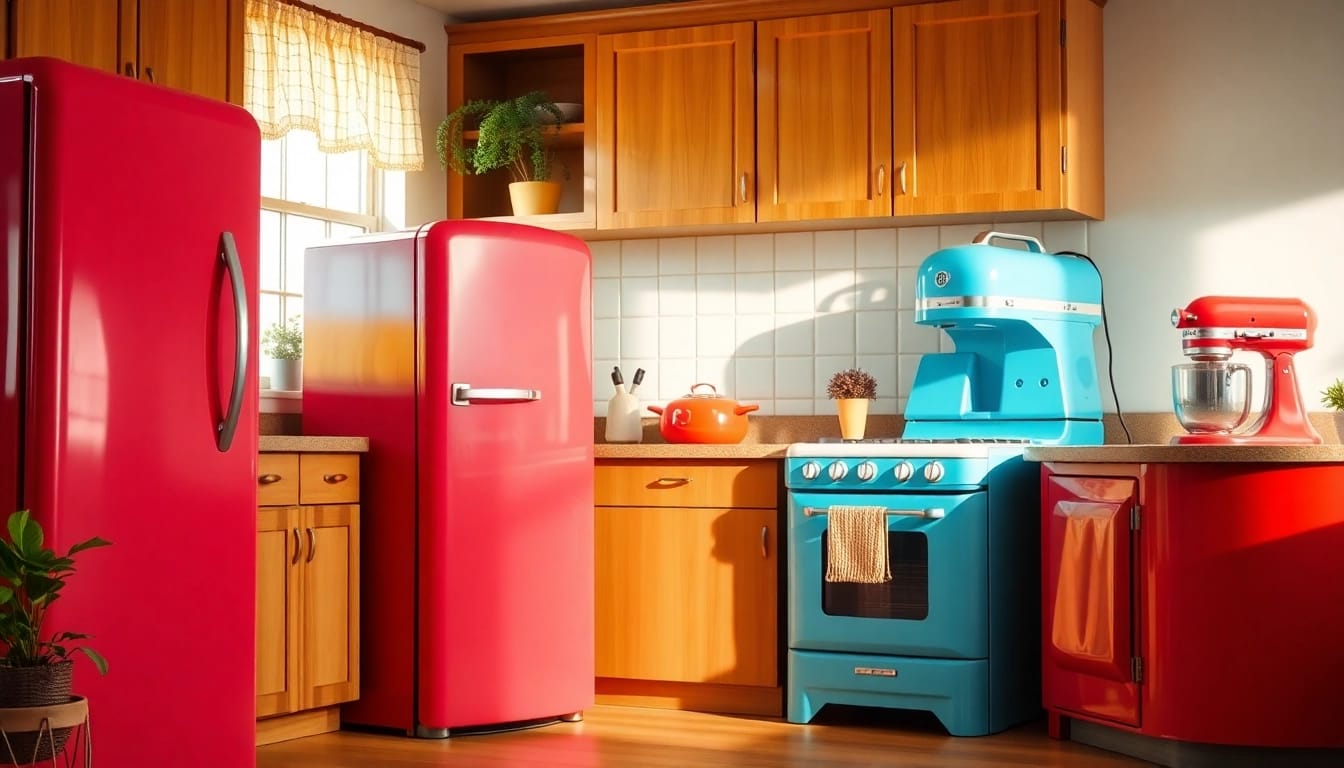
Retro appliances are often defined as home equipment designed to resemble styles from the mid-20th century, specifically the 1950s to 1970s. This fascinating period saw a boom in colorful designs and playful aesthetics, giving rise to a range of household items that became cultural icons. Retro appliances serve not just a functional purpose; they are statements of style and personality. From smooth curves to vibrant hues, these appliances reflect an era when design was as much about individuality as it was about utility.
Key Features of Retro Appliances
While the term “retro” might evoke images of dated designs, retro appliances boast several contemporary features that make them practical for modern use:
- Color Variety: Retro appliances come in a dazzling array of colors, allowing homeowners to express their unique style. Traditional whites, blacks, and stainless steel are often complemented by bright reds, greens, and pastel tones.
- Iconic Designs: Rounded edges and vintage embellishments characterize retro appliances, setting them apart from their sleek, minimalist counterparts.
- Energy Efficiency: Many retro designs incorporate modern energy-efficient technology, enabling users to enjoy vintage aesthetics without compromising on performance or utility bills.
- Quality Materials: Durable materials ensure that these appliances are built to last, often featuring stainless steel and high-quality plastics that withstand the test of time.
Why Choose Retro Appliances?
Choosing retro appliances can enhance a home for various reasons:
- Unique Aesthetic: They stand out from contemporary designs, attracting attention and admiration.
- Nostalgic Value: Retro designs can evoke cherished memories or connect past generations with present lifestyles, creating a bridge between history and modernity.
- Function Meets Form: These appliances are designed not just for utility but to be conversation starters, making them central elements of a home’s decor.
- Customization: Homeowners can select different colors, sizes, and models to create their desired look.
Exploring Different Types of Retro Appliances
When it comes to retro appliances, the options are vast and varied. Here’s a closer look at some popular categories:
Refrigerators and Freezers
Retro refrigerators are perhaps the most recognizable of all retro appliances. With designs inspired by the 1950s, these appliances often feature rounded corners and charming handles. They not only keep food fresh but also elevate kitchen decor. Key highlights include:
- Variety in sizes, from compact models that fit in small spaces to larger fridges that can accommodate bigger households.
- Innovative features such as temperature control, energy-saving modes, and spacious interiors without compromising the classic look.
Ovens and Cooktops
From gas ranges to electric stoves, retro ovens and cooktops deliver both style and functionality. These units offer:
- Vintage aesthetics with modern capabilities like self-cleaning and smart technology integrations.
- A variety of configurations, including dual-fuel options, accommodating diverse cooking preferences.
Small Kitchen Appliances
Small kitchen appliances, including toasters, blenders, and coffee makers, often feature retro designs that match larger units. Their advantages include:
- Compact sizes that fit perfectly on counters without overwhelming space.
- Color matching options for a cohesive look throughout the kitchen.
- Durable and easy-to-clean finishes, often with decorative touches that reflect vintage styling.
Benefits of Integrating Retro Appliances into Your Home
Integrating retro appliances into your home offers numerous advantages, extending beyond mere aesthetics. Here are some key benefits:
Aesthetic Appeal
The immediate visual impact of retro appliances is significant. Their bold colors and unique shapes catch the eye, making them a focal point in any room. This aesthetic appeal can transform mundane kitchen spaces into vibrant, stylish areas. Furthermore, when combined with complementary decor—such as vintage utensils, cookware, or wall art—retro appliances can create a cohesive ambiance that reflects personal style.
Modern Functionality with Vintage Style
Many retro appliances incorporate modern functionalities, merging traditional style with contemporary efficiency. Features such as smart connectivity, advanced temperature settings, and energy-saving options provide convenience without taking away from the vintage look. This balance of nostalgia and functionality means that homeowners can have the charm of yesteryears while enjoying today’s technological advancements.
Energy Efficiency Considerations
With rising energy costs and an increasing focus on sustainability, many retro appliances are designed to be energy-efficient. Modern manufacturing techniques allow these units to meet or exceed current energy standards while maintaining a retro aesthetic. Homeowners can enjoy lower utility bills and a reduced environmental footprint, proving that style doesn't have to come at the cost of efficiency.
Choosing the Right Retro Appliances for Your Space
Selecting the appropriate retro appliances for your home involves careful consideration of several factors, including design integration, space allocation, and budget. Below are key aspects to focus on:
Color Schemes and Design Integration
Color plays a vital role in the selection of retro appliances. When choosing appliances, consider the existing color palette of your kitchen and how the retro colors can complement or contrast with them. Classic color combinations often include bright reds, mint greens, and buttercup yellows. Be mindful of matching accents, like cabinet colors and wall designs, to create a harmonious space.
Size and Space Planning
Accurate measurements of available space are crucial when integrating retro appliances into your kitchen. Appliances that appear outstanding in a showroom may not fit your unique space. Consider not just the dimensions but also the layout, ensuring that appliances can function effectively without overcrowding the area.
Budgeting for Retro Appliances
Budgeting for retro appliances should encompass more than just the purchase price. Account for potential installation costs, ongoing maintenance, and energy consumption. It's wise to compare various options, as retro appliances can range significantly in price depending on features and brand reputation. The key is to find balance—invest in quality appliances that fit within your budget while delivering lasting value.
Maintenance and Care for Retro Appliances
Maintaining the vintage aesthetics and functionality of retro appliances requires specific care protocols. The following guidelines offer insight into proper maintenance:
Cleaning Tips for Retro Appliances
Cleaning retro appliances should be performed consistently to avoid wear and tear. Use non-abrasive detergents and soft cloths to prevent scratching finishes. For stubborn stains, a mixture of vinegar and baking soda can work wonders while remaining gentle on the appliance's surface. Ensure to follow manufacturer instructions to maintain warranties.
Common Issues and Troubleshooting
Like any appliance, retro units may encounter common issues such as inconsistent cooling in refrigerators or heating in ovens. Regular checks on temperature settings and seals can help identify problems early. Familiarize yourself with troubleshooting steps—many manufacturers provide guides to troubleshoot minor issues before resorting to professional help.
When to Seek Professional Repair
Some issues may require the expertise of a professional. If an appliance experiences multiple malfunctions or if repairs become increasingly complex—such as electrical issues and internal damages—it’s advisable to consult a certified technician. Additionally, don’t hesitate to reach out for help for appliances that are still within their warranty period to avoid voiding it.
FAQs About Retro Appliances
What is a retro appliance?
A retro appliance typically refers to home equipment designed to resemble styles from the 1950s to the 1970s, featuring dynamic colors and classic designs that evoke nostalgia.
Do retro appliances perform as well as modern ones?
Yes, many retro appliances incorporate modern technology, ensuring they are energy-efficient and functional while maintaining their vintage look. The blend of aesthetics and functionality is key.
How do I care for my retro appliances?
Regular cleaning with non-abrasive materials and following manufacturer care guidelines is essential. Avoid harsh chemicals to protect finishes, and perform maintenance checks to ensure optimal function.
Are retro appliances energy efficient?
Many retro appliances are designed with energy efficiency in mind, combining classic designs with modern energy-saving features, helping to reduce utility costs.
Where can I find retro appliances?
Retro appliances can be found through various online retailers, specialty home goods stores, or even local appliance showrooms. Look for retailers that offer a variety of styles and color options.