
Understanding the Basics of Sports Broadcasting
What is Sports Broadcasting?
Sports Broadcasting is the dissemination of sports content via television, radio, or digital platforms. It brings live and recorded sporting events to millions of viewers, allowing fans to stay connected with their favorite sports, teams, and athletes. As the industry grows, the focus on engaging broadcasts has shifted towards interactive experiences, integrating social media updates, in-depth analysis, and fan-induced commentary. In this era, audiences are looking for not just a game, but a holistic viewing experience. With this growing demand, professionals in the field need to be well-equipped with skills and technology.
The Evolution of Sports Broadcasting
The history of sports broadcasting dates back to the early 20th century, starting with radio broadcasts that brought games directly into listeners' homes. The introduction of television revolutionized the industry, making sports more accessible to the public. Over the decades, advancements have included color broadcasting, cable television, and, more recently, streaming services that allow for on-demand viewing. Each innovation has made sports more engaging for fans. Today, Sports Broadcasting is at a crossroads, integrating advanced technology, analytics, and viewer interaction.
Key Roles in Sports Broadcasting
Understanding the dynamics of sports broadcasting requires knowledge of various key roles, including:
- Commentators: Provide play-by-play coverage during live events, helping audiences grasp the action.
- Analysts: Offer expert insights and analysis, breaking down plays and strategies post-game.
- Producers: Oversee the overall production, ensuring broadcasts run smoothly.
- Cameramen and Technical Staff: Manage equipment and set up for optimal viewing.
- Writers: Produce scripts and reports for segments, including pre-game and post-game analyses.
Essential Equipment for Sports Broadcasting
Cameras and Microphones
The backbone of any sports broadcast lies in the equipment used. High-resolution cameras are essential for capturing every second of action. Employing a mix of static cameras, handheld units, and drones can provide varied perspectives, enabling viewers to connect with the game dynamically. In tandem with quality visuals, professional microphone setups like shotgun and lavalier mics ensure clear audio capture, essential for commentary and crowd noise.
Broadcasting Software and Hardware
Broadcasting requires sophisticated hardware and software for seamless production. Hardware components, such as video switchers and replay machines, allow for real-time editing, while broadcasting software facilitates live-streaming capabilities. Tools like graphics software are also integral for on-screen overlays, including scoreboard updates and player statistics, enhancing viewer engagement.
Lighting and Set Design
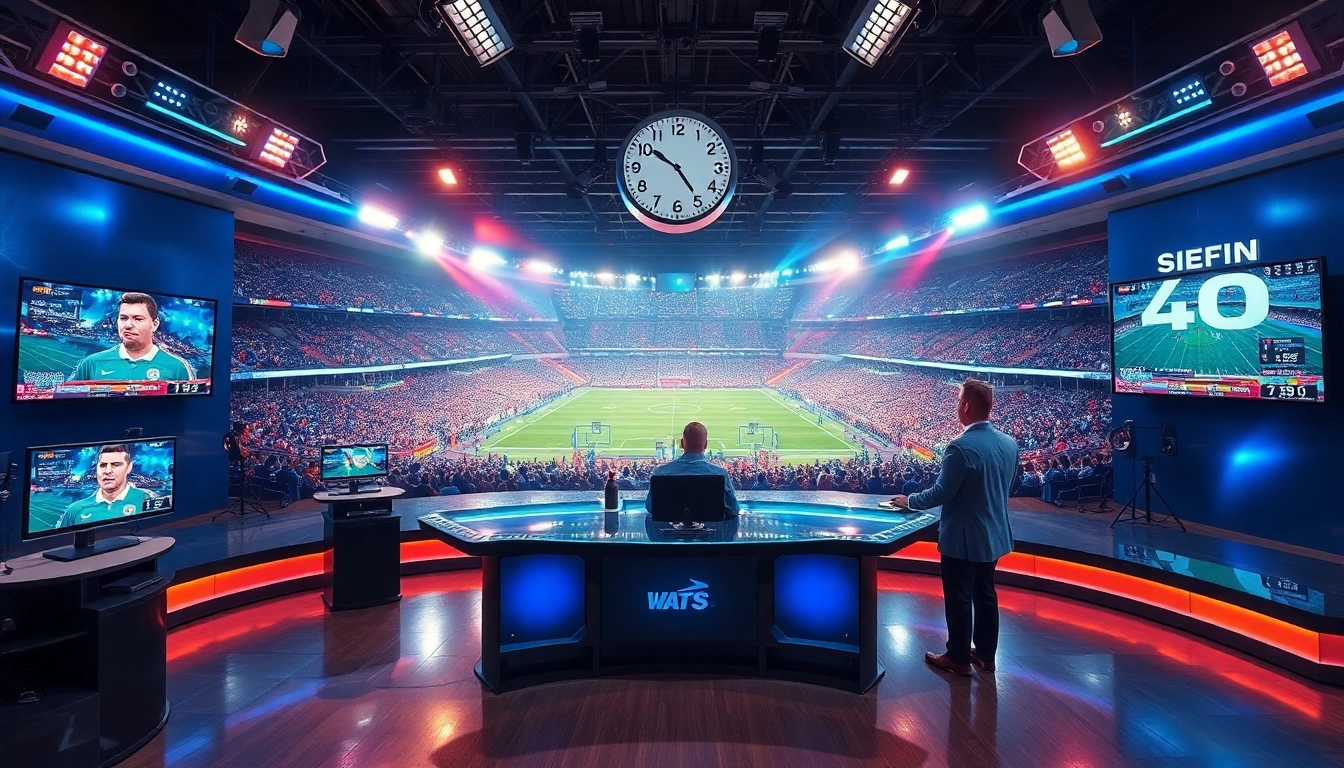
Good lighting is pivotal in sports broadcasting, significantly impacting the overall quality of the visual feed. Bright, consistent lighting minimizes shadows and enhances the viewability of the athletes and the action. Set design should reflect the brand of the broadcast and create an inviting atmosphere, integrating visual elements that resonate with the audience. The synergy between lighting and design creates a powerful viewing experience.
Techniques for Effective Sports Broadcasting
Research and Preparation Strategies
Before going live, extensive research is vital. Broadcasters should collect statistics, study players' backgrounds, and analyze previous matchups. This preparation enables commentators to provide informed insights that add depth to the broadcast. An effective technique includes creating a cheat sheet with key facts which can be easily referenced during the show.
Engaging the Audience
Audience engagement is no longer just about delivering top-notch commentary. Successful broadcasts incorporate interactive elements like live polls, social media integration, and audience Q&A segments. This interaction fosters a strong community and leads to increased viewer retention during the broadcast.
Live Commentary Tips
Effective live commentary is an art that combines excitement, clarity, and insight. Tips include maintaining a conversational tone, pacing the delivery to match the game’s tempo, and using clear and concise language. Commentators should also remain composed, adjusting their commentary style as the game unfolds. Having a teammate for additional support can help in capturing nuances and back-and-forth discussions.
Challenges in Sports Broadcasting
Dealing with Technical Difficulties
Technical issues can occur during any broadcast, from audio failures to video disruptions. Preparing a contingency plan is essential. This can include having backup equipment ready and a knowledgeable technical crew that can address problems swiftly to minimize disruptive downtime.
Handling Controversies and Statements
Sports are typically rife with controversy, especially surrounding player conduct and officiating decisions. Broadcasters must navigate these situations delicately. It's important to present facts, maintain an unbiased tone, and provide context without losing sight of the audience's sentiments. Having a protocol for such situations ensures clarity and professionalism.
Time Management in Live Shows
Proper time management is crucial in live sports broadcasts to ensure all aspects of the game and commentary are covered. Utilizing timers and clear communication within the team can help keep segments on track. Practicing transitions between commentary, interviews, and ads can enhance the seamless flow of the show.
Future Trends in Sports Broadcasting
The Impact of Digital Platforms
The rise of digital platforms is reshaping how fans consume sports content. Streaming services and social media have become primary avenues for sports viewing, often leading to innovative broadcasting strategies. Networks are leveraging these platforms to provide unique experiences, offering exclusive content that traditional broadcasts may not capture, leading to increased viewer loyalty.
Enhancements through Augmented Reality
Augmented reality (AR) is emerging as a powerful tool in enhancing sports viewing experiences. AR can overlay statistics, player bio, or even real-time play analysis directly onto the viewer's screen, creating an immersive experience. As technology advances, expect AR to become a commonplace feature in broadcasts, taking fan engagement to new levels.
Audience Interaction and Engagement
Future broadcasts will likely see increased audience interaction through apps and social media. Real-time fan reactions, customizable viewing options, and interactive graphics will make broadcasts more personal. This shift aims to create a community environment where fans feel a sense of involvement in the game itself.
Frequently Asked Questions (FAQs)
1. What is the role of a sports commentator?
A sports commentator provides live commentary, delivering play-by-play coverage and insights about the game, enhancing the viewer experience with engaging narratives.
2. How has technology impacted sports broadcasting?
Technology has revolutionized sports broadcasting through high-definition video, instant replay systems, and digital streaming, making experiences richer and more accessible to fans.
3. What are common challenges in live sports broadcasting?
Challenges include technical difficulties, unexpected controversies, and managing tight schedules, all of which require thorough preparation and quick decision-making.
4. Why is audience engagement important in sports broadcasting?
Audience engagement is crucial as it retains viewership, creates community around broadcasts, and enhances overall viewer satisfaction through interactive content.
5. What trends are shaping the future of sports broadcasting?
Future trends include enhanced audience interaction, the use of augmented reality, and the growing importance of digital platforms, which will redefine viewer experiences.