The Role of a Videographer
In an age where visual storytelling reigns supreme, the role of a Videographer has become increasingly vital. A videographer not only captures moments but also crafts narratives that resonate with audiences. This article will explore what it takes to be a successful videographer, the equipment one should consider, creative techniques, how to build a portfolio, and the various career opportunities available in this ever-evolving field.
Understanding Videographer Responsibilities
The responsibilities of a videographer extend far beyond merely holding a camera. They are tasked with planning, shooting, and editing video material. This role can vary depending on the project but generally includes the following:
- Pre-production planning: This includes scripting, storyboarding, and organizing project logistics, such as location scouting and coordinating with talent.
- Shooting: The actual filming process requires expertise in camera operation, lighting setup, and sound recording.
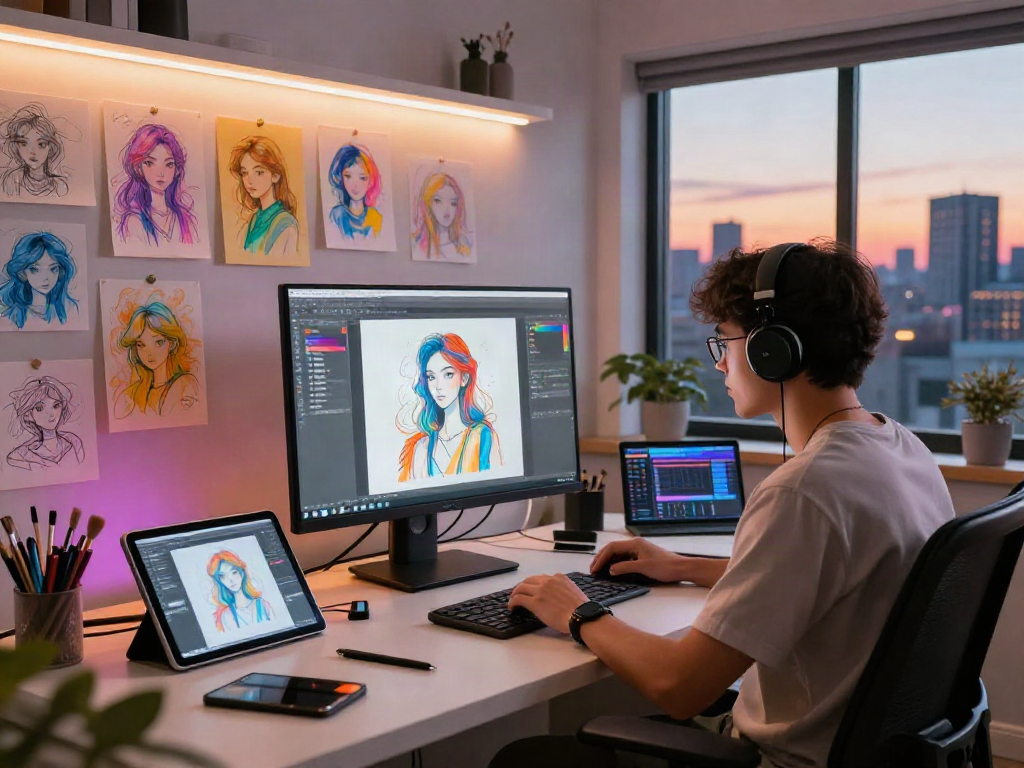
- Post-production: This phase involves video editing, sound design, color grading, and possibly working with visual effects.
- Client communication: It is crucial for videographers to maintain clear communication with clients throughout the project to ensure their vision is accurately conveyed.
Key Skills for Successful Videographers
To excel in this competitive field, a videographer should develop several essential skills:
- Cinematic knowledge: Understanding the principles of cinematography, including shot composition, framing, and camera movement, is vital.
- Technical proficiency: Familiarity with different filming equipment, editing software, and post-production techniques is necessary.
- Creativity: A good videographer must possess a creative eye to tell compelling stories through their footage.
- Problem-solving: On set, challenges can arise, so being able to come up with solutions on the fly is a crucial skill.
The Importance of Storytelling in Videography
At the heart of effective videography is storytelling. Good videographers must understand how to convey messages and evoke emotions through their work. This entails:
- Identifying the core message: Understanding what the audience needs to take away from the video is crucial.
- Structuring content: A clear beginning, middle, and end can enhance audience engagement.
- Using visuals effectively: Selecting the right shots that enhance the narrative can make a world of difference.
Choosing the Right Equipment as a Videographer
Investing in the right equipment can significantly impact the quality of a videographer’s work. Below, we explore essential gear and why it matters.
Essential Camera Gear Every Videographer Needs
While there are many types of cameras available, a videographer should consider the following essentials:
- DSLR or Mirrorless Cameras: These cameras provide excellent image quality and versatility for various shooting scenarios.
- Tripods and Gimbals: Stability equipment, such as tripods and gimbals, minimizes camera shake and ensures steady footage.
- External Monitors: These devices can help with framing and ensure proper focus during shoots.
Lenses and Accessories to Enhance Your Work
The right lenses can make all the difference in achieving desired visual effects. Consider the following:
- Prime Lenses: Known for their sharpness, prime lenses are great for low-light situations and achieving a shallow depth of field.
- Zoom Lenses: For versatility, zoom lenses allow videographers to capture different framing without needing to change lenses frequently.
- Filters: ND filters can help control exposure during bright shooting conditions while maintaining correct shutter speed.
Investing in Quality Audio Equipment
Good audio is just as important as great visuals. Here’s what to consider:
- External Microphones: Shotgun mics and lavalier microphones can significantly improve sound quality compared to built-in camera microphones.
- Audio Recorders: Using a separate audio recorder can help capture cleaner sound during shoots.
- Headphones: Monitors allow videographers to listen to audio feed in real-time, ensuring sound is captured correctly.
Videography Techniques for Creative Storytelling
With the right tools in hand, videographers can employ various techniques to enhance their storytelling:
Camera Angles and Framing for Impact
The way a shot is framed can affect how a story is perceived. Some effective techniques include:
- Wide Shots: Ideal for establishing context and surrounding environments.
- Close-ups: Focus on details and emotions; effective for capturing facial expressions or intricate actions.
- Over-the-Shoulder Shots: These shots create a connection between characters and the audience, enhancing intimacy.
Editing Tips to Elevate Your Videographer Projects
Editing is where the magic happens. Key tips for effective editing include:
- Cutting for Timing: Pay attention to pacing to maintain viewer engagement and emotion.
- Color Correction: Correcting and grading colors can significantly enhance visual storytelling.
- Adding Sound Design: Layer sounds thoughtfully to create a more immersive experience for the audience.
Using Lighting Effectively in Videography
Lighting plays a pivotal role in the overall quality of video production. Some important considerations are:
- Natural Light: Using available light creatively can yield stunning results.
- Artificial Lighting: Investing in lights, such as softboxes and LEDs, allows for consistent and controllable lighting conditions.
- Three-Point Lighting: This foundational lighting technique enhances depth and dimension in subjects.
Building a Videographer Portfolio
A strong portfolio is essential for showcasing skills and attracting clients. Here’s how to build one effectively:
What to Include in Your Videographer Portfolio?
Your portfolio should consist of varied projects that demonstrate a range of skills and styles. Consider including:
- Highlight Reels: Craft concise highlight reels that showcase your best work.
- Diverse Projects: Show versatility by including different types of video projects, such as short films, weddings, and corporate videos.
- Client Testimonials: Positive feedback can add credibility and encourage potential clients to reach out.
Ways to Showcase Your Work Online
In today’s digital age, having an online presence is crucial. Here are methods to effectively showcase your work:
- Personal Website: Create a professional website to house your portfolio, bio, and contact information.
- Social Media Platforms: Utilize platforms like Instagram, YouTube, and Vimeo to disseminate your work and engage with followers.
- Networking Platforms: Consider using platforms like LinkedIn to connect with industry professionals and potential clients.
Networking Strategies for Aspiring Videographers
Networking is essential for career growth, as building relationships can lead to opportunities. Here are strategies to effectively network:
- Attending industry events: Participate in film festivals, workshops, and local meetups to connect with other professionals.
- Join Online Communities: Engage in forums and social media groups dedicated to videography to exchange knowledge and opportunities.
- Create Collaborations: Partner with other creatives on projects to expand your reach and showcase your combined talent.
Career Opportunities for Videographers
The field of videography is vast, offering various career paths. Below are potential avenues for exploring.
Different Fields Where Videographers Can Work
Videographers can find opportunities in numerous sectors, such as:
- Corporate Videography: Producing promotional videos, training materials, and documentation for businesses.
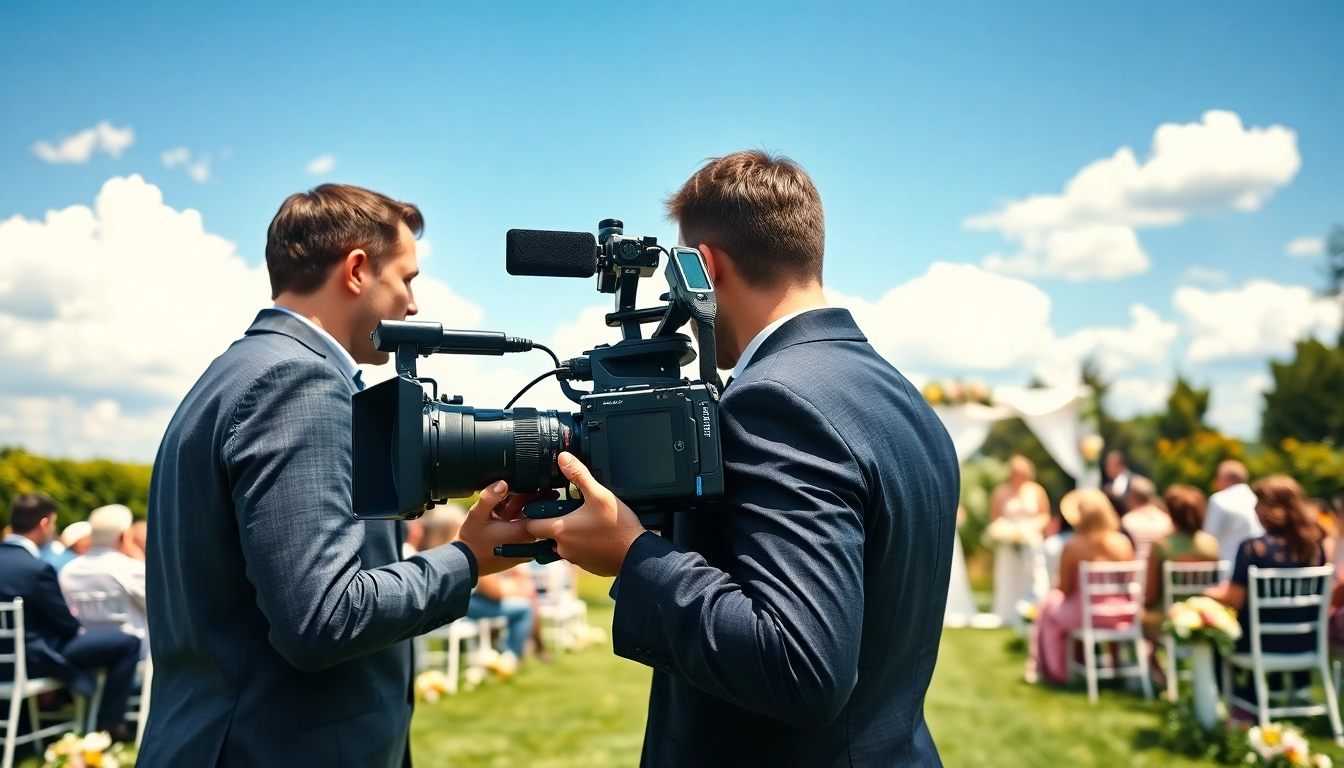
- Event Videography: Covering weddings, conferences, and other significant events to capture memories and highlight key moments.
- Film and Television Production: Contributing to dramatic and narrative works, commercials, and documentaries.
Freelancing vs. In-House Videography Roles
Videographers have the flexibility to choose between freelancing and traditional employment. Each has its advantages:
- Freelancing: Offers the freedom to choose projects, set your rates, and work from different locations, though it may come with income variability.
- In-house roles: Often provide stability, benefits, and a structured environment, allowing for steady growth within an organization.
The Future of Videography: Trends and Projections
The landscape of videography is constantly evolving. Emerging trends to watch include:
- Drone Videography: Aerial shots have gained immense popularity, allowing for unique perspectives that were previously unavailable.
- Live Streaming: The demand for live video content has risen, particularly in corporate settings and virtual events.
- 360-Degree Video: Interactive video experiences are becoming more prevalent, offering audiences an immersive engagement.
In summary, a career as a videographer encompasses a wide range of responsibilities, requiring a blend of technical skills, artistic vision, and effective communication. By choosing the right equipment, mastering creative techniques, building a robust portfolio, and exploring various career pathways, aspiring videographers can find success in this dynamic field. As the industry continues to evolve, staying ahead of trends will ensure that your work remains relevant and captivating.