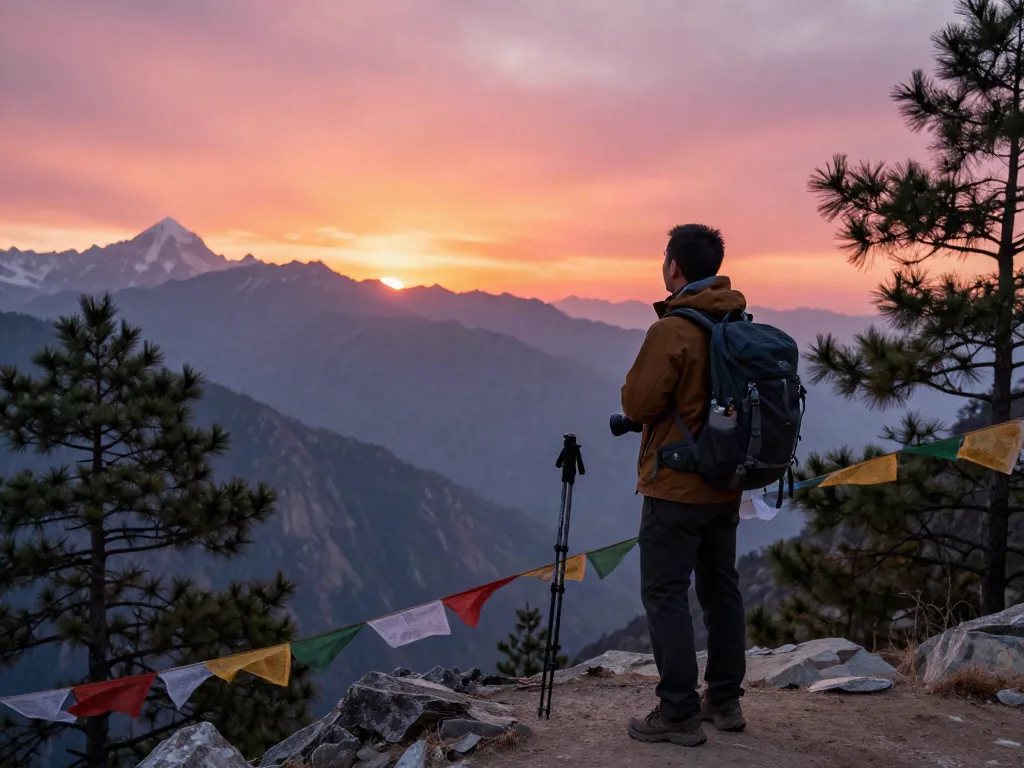
Understanding the Manaslu Trek: An Overview
The Manaslu Trek, set within the stunning backdrop of the Himalayas, offers an exhilarating experience alongside the world’s eighth-highest peak, Mount Manaslu. This 15-day trekking adventure combines breathtaking landscapes, cultural richness, and the thrill of high-altitude hiking, making it a sought-after journey for avid trekkers. With its off-the-beaten-path trails, diverse flora and fauna, and the stunning natural beauty of the Manaslu Conservation Area, trekkers can immerse themselves in a truly unique Himalayan experience. If you are considering embarking on this adventure, Manaslu Trek provides comprehensive insights into what to expect.
What is the Manaslu Trek?
The Manaslu Trek, located in Nepal’s Gorkha district, is a challenging yet rewarding trek that circumnavigates Mount Manaslu. The circuit spans approximately 177 kilometers (110 miles) and features varying altitudes, allowing trekkers to encounter stunning landscapes from lush rice fields to towering alpine mountains. Unlike more commercialized trekking routes, the Manaslu Circuit offers a rare opportunity to experience authentic Nepalese culture, as trekkers navigate through quaint villages inhabited by the Gurung and Tibetan communities.
Key Highlights of the Trek
- Stunning Views: Trekkers are treated to panoramic views of the Manaslu massif and surrounding peaks, including Himlung Himal and Annapurna II.
- Cultural Immersion: Experience vibrant local cultures, visit monasteries, and engage with the friendly inhabitants of lower Manaslu.
- Diverse Ecosystems: From subtropical forests to high-altitude landscapes, the trek traverses multiple ecological zones, showcasing unique flora and fauna.
- Challenging Passes: The trek includes crossing the Larkya La Pass at 5,160 meters, presenting both a physical challenge and breathtaking rewards.
Why Choose Manaslu over Other Treks?
Choosing the Manaslu trek over others like the Annapurna or Everest Base Camp treks can provide several benefits. The Manaslu Circuit is less crowded, meaning trekkers can enjoy the tranquility of the mountains and the beauty of untouched nature. Moreover, the restricted nature of the permit system ensures that the area remains preserved, offering a more authentic trekking experience without commercialization. The diverse cultural interaction with local communities also enhances the journey, making it one of the most enriching treks in Nepal.
Preparing for Your Manaslu Trek Adventure
Preparation is key to facing the challenges presented by the Manaslu trek. From physical training to packing the right gear, being properly equipped can significantly enhance your trekking experience. In addition, understanding the trekking permits and regulations is crucial for a smooth adventure.
Essential Gear and Packing List
Your packing list for the Manaslu trek should include essential gear to face the varying weather conditions and terrains. Here are some items to include:
- Clothing: Layered clothing for various temperatures, including moisture-wicking shirts, lightweight down jackets, and waterproof outer layers.
- Trekking Equipment: Sturdy trekking boots, trekking poles, and a comfortable daypack for personal items.
- Safety Gear: First aid kit, sunscreen, and sunglasses for sun protection.
- Sleeping Gear: A quality sleeping bag rated for cold weather, as temperatures can drop significantly.
Physical Preparation and Training Tips
Since the Manaslu trek is physically demanding, building your stamina and endurance is essential. Aim to engage in regular aerobic exercises such as hiking, jogging, or cycling at least three times a week for several months before your trek. Additionally, consider incorporating strength training to prepare your body for the rigors of daily trekking.
Understanding Trekking Permits and Regulations
Trekkers on the Manaslu circuit will need several permits, including the Manaslu Restricted Area Permit (MRAP), Manaslu Conservation Area Permit (MCAP), Annapurna Conservation Area Permit (ACAP), and a TIMS card. It is essential to arrange these permits through a registered trekking company to ensure compliance with local regulations.
Itinerary Breakdown: A Day-by-Day Guide
The following is a detailed breakdown of the 15-day itinerary, illustrating the key stages of your journey across the Manaslu region.
Day 1 to Day 5: The Journey Begins
Your adventure begins with your arrival in Kathmandu, where you will be greeted and transferred to your hotel. After a restful night, the following day will involve a scenic drive to Machha Khola via Soti Khola, marking the beginning of the trek. The first days will take you through charming villages, offering glimpses of local life and stunning natural landscapes.
Day 6 to Day 10: High Altitude Experiences
As you ascend to higher altitudes, acclimatization becomes vital. This segment includes trekking through Samagaon, which serves as your acclimatization stop, allowing you to explore the sacred Birendra Lake and Manaslu Base Camp. Here, the majestic views and the serene environment will prepare you for the trek’s challenging sections to come.
Day 11 to Day 15: Concluding Your Trek
The final leg involves crossing the challenging Larkya La Pass and descending towards Dharapani. Each day presents breathtaking views, cultural encounters, and the excitement of reaching your destination after weeks of preparation and hard work. Driving back to Kathmandu concludes the trek, where you can reflect on your incredible journey.
Health and Safety Considerations During the Trek
Your health and safety should always be a priority while trekking in high-altitude regions like Manaslu. Adequate acclimatization and awareness of potential health issues are key components of a successful trek.
Acclimatization Strategies for High Altitudes
Acclimatization is critical for preventing altitude sickness. Ensure that you take a rest day when necessary, particularly in Samagaon, allowing your body to adjust to the changing altitude. Simple hydration practices, such as drinking sufficient water and consuming meals with garlic, can aid acclimatization.
Common Health Concerns and How to Handle Them
Altitude sickness, dehydration, and exhaustion are common issues faced during trekking. Staying hydrated, eating well, and descending to lower altitudes upon experiencing symptoms are essential strategies for managing these conditions. Consulting with your trekking guide about your health conditions can also provide additional support.
Emergency Protocols and Guide Responsibilities
Experienced guides are essential for trekking in remote areas, as they are trained in first aid and emergency response. In case of a health emergency, they are equipped to arrange necessary evacuations and provide immediate assistance. For trekkers, maintaining open communication with your guide can enhance your safety during the trek.
Exploring the Cultural Richness Along the Manaslu Circuit
The Manaslu region is rich in cultural heritage, and trekking offers a unique opportunity to engage with local communities and their traditions.
Local Communities and Their Traditions
As you traverse the Manaslu circuit, you will encounter diverse ethnic groups, including Gurungs and Tibetans. Interactions with locals provide insight into their traditional lifestyle, including farming practices, handicrafts, and the significance of cultural festivals.
Significant Historical and Cultural Sites
Don't miss visiting significant sites such as the Pungyen Monastery and local Gompas, which provide an understanding of the spiritual traditions that thrive in this region. Each village has its own unique customs and history, enhancing your trekking experience.
Environmental Conservation and Responsible Trekking
Environmental sustainability is crucial for preserving the natural beauty of the Manaslu region. Trekkers should practice responsible tourism, such as minimizing waste, respecting wildlife, and engaging with local communities positively. Ensuring that tourism benefits the local economy can promote conservation efforts.
What are the main challenges trekkers face on the Manaslu Trek?
Trekkers can expect challenges related to altitude, weather conditions, and physical endurance. Being prepared for sudden weather changes and maintaining physical fitness can help mitigate these challenges.
How can I ensure my safety during the Manaslu Trek?
Choosing a reputable trekking agency, adhering to acclimatization schedules, and maintaining open communication with your guide are essential to ensuring safety throughout the trek.
What is the best time to undertake the Manaslu Trek?
The optimal trekking seasons are spring (March to May) and autumn (September to November), when weather conditions are stable, and the views are generally unobstructed.
Are there any restrictions for solo trekkers?
Solo trekking is not permitted on the Manaslu Circuit due to its status as a restricted area. It is mandatory for all trekkers to be accompanied by a licensed guide.
How do I choose a reliable trekking agency for Manaslu?
Look for agencies with good reviews, experienced local guides, and clear pricing structures. Checking references and asking about their safety protocols can also help ensure a positive trekking experience.