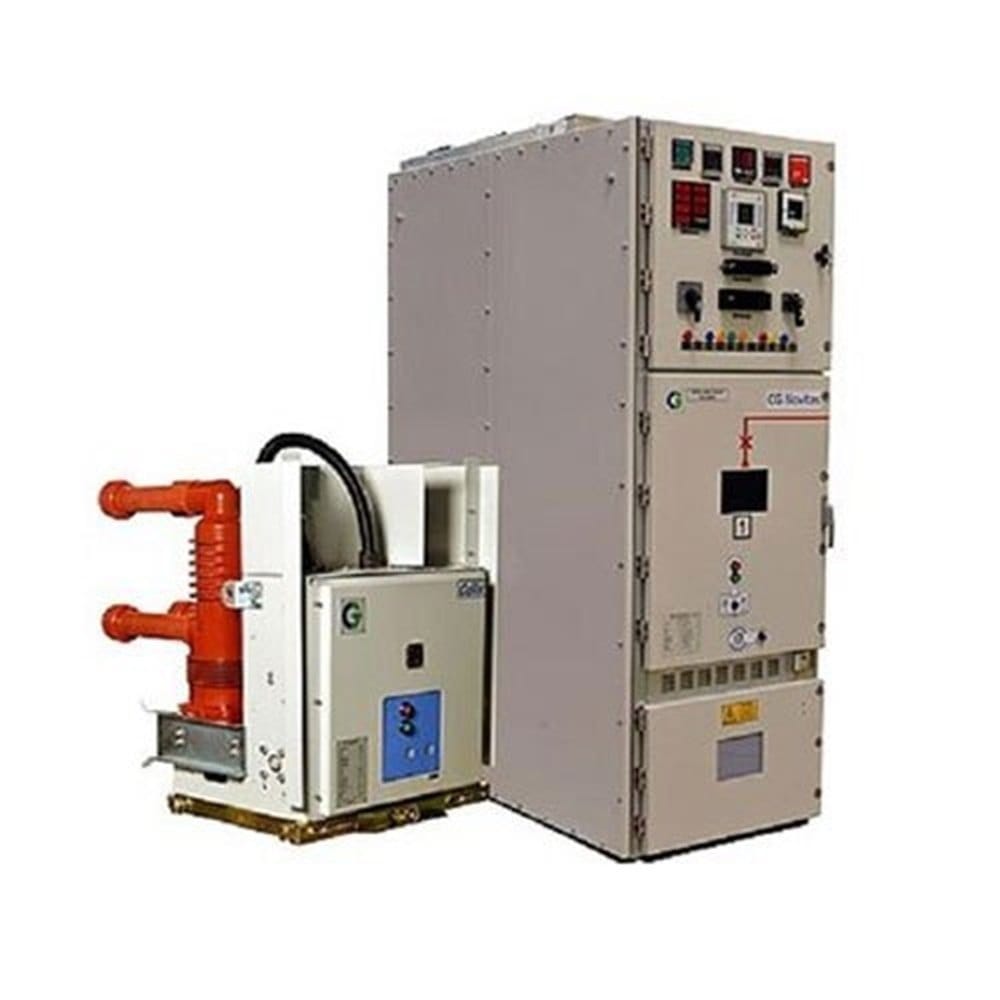
High-voltage electrical systems are critical to industrial operations, power distribution, and commercial facilities. However, they also carry inherent risks, including equipment damage, fire hazards, and operational downtime. A Vacuum circuit breaker is a vital protective device that reduces these risks by providing fast, reliable, and safe interruption of electrical faults in high-voltage systems.
Understanding the Vacuum Circuit Breaker
A vacuum circuit breaker (VCB) interrupts current by extinguishing electrical arcs in a vacuum. Unlike air or oil circuit breakers, the vacuum circuit breaker uses a sealed vacuum interrupter to quench the arc almost instantaneously. This technology ensures minimal contact wear, low maintenance, and high operational reliability, making it ideal for high-voltage applications.
How Vacuum Circuit Breakers Reduce Risk
1. Fast Fault Interruption
In high-voltage systems, electrical faults such as short circuits or overloads can cause severe damage. A vacuum circuit breaker reacts rapidly to isolate the faulty section, preventing further equipment damage and reducing downtime. Its fast arc extinction minimizes the risk of cascading failures in the system.
2. Protection of Critical Equipment
Transformers, motors, and other high-voltage equipment are highly sensitive to electrical surges. Installing a vacuum circuit breaker ensures that faults are cleared quickly, safeguarding expensive and critical assets. This protective capability reduces the risk of costly repairs and operational interruptions.
3. Minimizing Fire and Safety Hazards
High-voltage arcs can generate extreme heat, posing fire and safety hazards. The vacuum circuit breaker rapidly extinguishes arcs, preventing overheating and significantly lowering the risk of fire or injury. Facilities using a vacuum circuit breaker benefit from enhanced safety for personnel and equipment.
4. Long Lifespan and Low Maintenance
The sealed vacuum interrupter in a vacuum circuit breaker prevents oxidation and contamination, reducing wear on contacts. This design ensures a long operational life and minimizes maintenance requirements, allowing high-voltage systems to operate reliably with lower total cost of ownership.
5. Compact and Space-Efficient
High-voltage switchgear often faces space constraints. The vacuum circuit breaker is compact and integrates easily into existing panels, providing robust protection without requiring extensive space. This space efficiency is particularly advantageous for modern high-voltage installations.
6. Environmental and Operational Safety
Unlike oil or SF6 breakers, a vacuum circuit breaker contains no hazardous liquids or gases, making it environmentally safe. By reducing potential contamination and fire hazards, the vacuum circuit breaker supports both operational safety and environmental responsibility.
7. Versatility Across Applications
Vacuum circuit breakers are suitable for industrial plants, power distribution networks, commercial facilities, and renewable energy installations. Their consistent performance in high-voltage systems makes them a trusted solution worldwide.
Conclusion
High-voltage systems demand reliable protection to minimize risk and maintain continuous operation. A vacuum circuit breaker offers fast fault interruption, protection of critical equipment, safety enhancements, and low maintenance, making it essential for modern high-voltage applications.
By incorporating a vacuum circuit breaker, facilities can significantly reduce the risk of equipment damage, fire, and operational downtime. For safe, efficient, and dependable high-voltage protection, the vacuum circuit breaker is the optimal choice.