
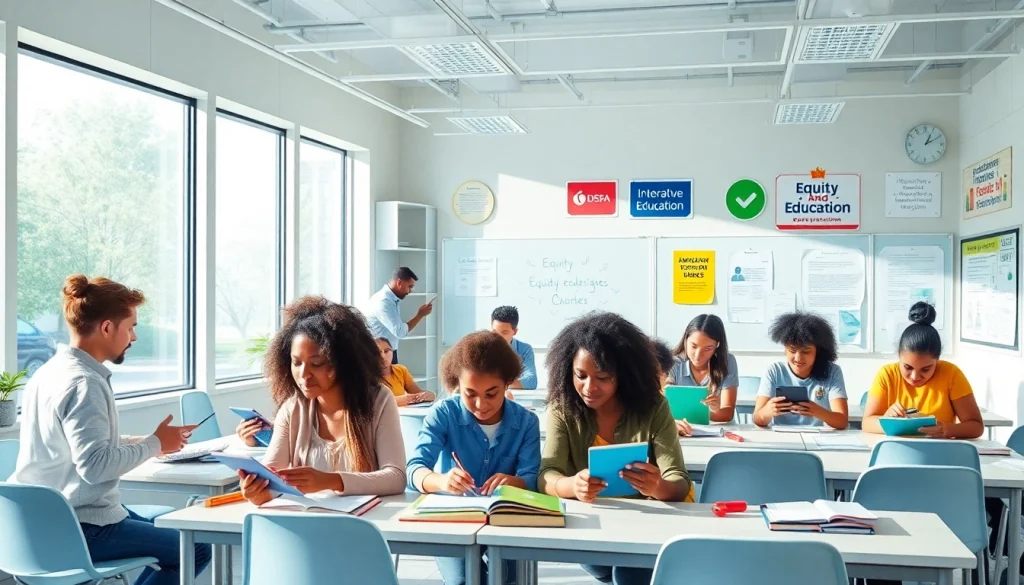
Understanding Education Equity: Key Concepts and Definitions
The foundation of a just and effective education system lies in the concept of education equity, which ensures that all students have access to the resources and opportunities necessary to achieve their full potential. In a world where disparities in educational outcomes are frequently linked to social, economic, and cultural factors, it becomes imperative to redefine our approaches to education. Understanding this concept is vital as it shapes policies, practices, and the overall framework of educational systems globally.
What is Education Equity?
Education equity refers to the principle of fairness in education, where all students are provided with the necessary support and resources to succeed. This concept transcends mere equality, recognizing that students come from diverse backgrounds with varied needs. Thus, education equity aims to level the playing field, ensuring that every learner can thrive regardless of their socioeconomic status, race, gender, or other potentially disadvantageous factors.
Importance of Equity in Education
The importance of equity in education cannot be overstated. It leads to improved educational outcomes, fosters social justice, and empowers marginalized communities. When education systems prioritize equity, they enable students to overcome barriers that hinder their academic performance and personal growth, thus cultivating a more informed and capable citizenry. Furthermore, equitable education promotes diversity and inclusivity, enriching the learning experiences of all students.
Common Misconceptions about Education Reform
One of the prevalent misconceptions surrounding education reform is the belief that merely increasing funding or standardizing curricula can resolve systemic inequities. However, true reform requires a nuanced understanding of the complex factors affecting education, including cultural biases, curricular relevance, and community engagement. It is also essential to recognize that reform is not a one-time event but rather a continuous process of assessment and adaptation to meet the evolving needs of students.
Current Challenges in the Education System
The landscape of education is marked by significant challenges that necessitate urgent attention. Among these are barriers to access and inclusion, which disproportionately affect students from marginalized backgrounds. Identifying these challenges is crucial for developing effective solutions that align with the overarching goal of achieving educational equity.
Barriers to Access and Inclusion
Barriers to access in education manifest in various forms, including financial constraints, geographic limitations, and discriminatory practices. Students from low-income families may struggle to obtain necessary resources, such as textbooks or technology, exacerbating educational disparities. Moreover, schools situated in underserved areas often lack adequate facilities and qualified personnel, further hindering student success. Inclusion is equally critical; without efforts to embrace diversity and actively include all learners, potential is stifled.
Impact of Socioeconomic Factors on Education
Socioeconomic factors play a pivotal role in shaping educational experiences and outcomes. For instance, students from wealthier backgrounds often have access to private tutoring, extracurricular activities, and advanced courses that enhance their academic trajectories. In contrast, those from lower-income families may face obstacles such as unstable living conditions and limited access to educational resources. Addressing these disparities is vital for fostering a truly equitable education system.
Technological Disparities in Learning Environments
The rapid advancement of technology presents both opportunities and challenges in education. While technology can enhance learning experiences, significant disparities in access to digital tools and high-speed internet persist, particularly in rural and low-income areas. This digital divide can lead to unequal learning outcomes, particularly in a post-pandemic world where online learning has become increasingly prevalent. Ensuring that all students have the necessary technological resources is crucial for leveling the educational playing field.
Innovative Approaches to Education Reform
As we navigate the complexities of the modern educational landscape, innovative approaches to education reform are emerging. These strategies focus on creating inclusive learning environments that cater to the diverse needs of students, utilizing technology effectively, and fostering community engagement to drive meaningful change.
Student-Centered Learning Models
Student-centered learning models prioritize the needs and interests of individual learners, promoting engagement and ownership of the learning process. Rather than adopting a one-size-fits-all approach, these models encourage differentiated instruction, allowing educators to tailor their teaching methods to accommodate diverse learning styles. By fostering a more personalized learning experience, students are empowered to take charge of their education, ultimately leading to improved outcomes.
Integrating Technology Effectively in Classrooms
Technology integration plays a crucial role in modern education reform initiatives. Tools such as interactive whiteboards, learning management systems, and educational apps can enhance collaboration and facilitate differentiated instruction. However, it is imperative that educators receive adequate training to utilize these resources effectively. Additionally, schools must ensure that all students have equitable access to technology to prevent further widening the existing achievement gap.
Collaborative Efforts in Community Engagement
Education reform cannot be achieved in isolation; it requires the active participation of stakeholders, including parents, community members, and local organizations. Collaborative efforts foster a sense of community ownership over educational initiatives, ensuring that reforms are culturally relevant and responsive to local needs. By working together, educators and community leaders can develop comprehensive strategies that promote equity, inclusivity, and sustainable change.
Best Practices for Educators and Administrators
To create an equitable educational environment, educators and administrators must adopt best practices that align with the principles of inclusivity and effective engagement. By implementing the following strategies, schools can foster a culture of equity and excellence.
Strategies for Promoting Inclusivity
Promoting inclusivity starts with examining and, if necessary, revising existing policies and practices that may inadvertently marginalize certain groups. Educators should cultivate culturally responsive curricula that reflect the diversity of their student population. Additionally, creating safe spaces for open dialogue can encourage students to express their identities and experiences, fostering an environment where all voices are heard and valued.
Measuring Success and Engagement in Classrooms
Measuring success in education goes beyond standardized tests; it encompasses various metrics such as student engagement, satisfaction, and overall well-being. Implementing data-driven assessment frameworks can help educators identify areas for improvement and tailor their teaching strategies accordingly. Regular feedback from students, parents, and staff can also provide valuable insights into the effectiveness of educational practices.
Building Professional Development Programs
Professional development is essential for equipping educators with the knowledge and skills necessary to embrace innovative teaching methods. Continuous training in cultural competence, technology integration, and instructional strategies can empower teachers to create inclusive and engaging learning environments. Additionally, fostering mentorship programs can facilitate knowledge sharing and collaborative growth among educators.
Future Trends and Considerations for Education in 2026
As we look ahead to 2026, several trends and considerations will likely shape the future of education. Understanding these dynamics is vital for educators, policymakers, and stakeholders as they navigate the evolving landscape.
Predictions for Educational Technologies
The future of educational technology holds immense potential for enhancing learning experiences. Advancements in artificial intelligence, virtual reality, and adaptive learning platforms are expected to revolutionize how education is delivered. By harnessing these technologies, educators can create immersive and personalized learning environments that cater to the unique needs of each student.
The Role of Policy in Shaping Education
Policy will continue to play a crucial role in shaping the direction of education reform. Advocating for equitable funding, inclusive policies, and comprehensive support systems is essential for addressing systemic barriers. Engaging with policymakers to highlight the importance of education equity will help ensure that reforms are grounded in principles of social justice and equity.
Preparing for a Post-Pandemic Education Landscape
The COVID-19 pandemic has catalyzed significant changes in education, prompting a re-evaluation of teaching and learning practices. As we transition to a post-pandemic world, it is imperative to build on the lessons learned and ensure that educational systems are resilient and adaptable. This includes prioritizing mental health support for students and educators alike, addressing the long-term impacts of disrupted learning, and fostering a renewed commitment to equity in education.