Understanding Crawl Space Restoration
What is Crawl Space Restoration?
Crawl space restoration is an essential process aimed at repairing, rejuvenating, and maintaining crawl spaces beneath residential and commercial buildings. These often neglected areas can become problematic due to moisture accumulation, pests, mold growth, and structural damage. Proper restoration involves a series of interventions that focus on the elimination of such issues and the enhancement of the overall environment inside the crawl space.
The process begins with a comprehensive assessment to identify existing problems. Professionals will check for moisture levels, inspect insulation, and examine structural elements. Following this assessment, targeted restoration techniques are implemented to transform the crawl space into a dry, safe, and healthy area that contributes positively to the building’s integrity.
Maintaining a clean and functional crawl space can significantly improve air quality in your home and extend the life of your building’s structure. For further insight, consider exploring Crawl Space Restoration practices that ensure your crawl space meets safety and health standards.
Common Issues in Crawl Spaces
Many crawl spaces are susceptible to various issues, primarily stemming from moisture and poor ventilation. Below are the most common problems:
- Moisture Accumulation: Water intrusion can occur due to improper grading, faulty gutters, or plumbing leaks, leading to a damp environment.
- Mold and Mildew Growth: Excess moisture fosters mold, which can adversely affect indoor air quality and cause health issues.
- Pest Infestations: Damp and dark crawl spaces can attract insects and rodents, leading to further contamination and structural damage.
- Structural Damage: Prolonged exposure to moisture can lead to wood rot and weaken foundational structures, increasing risks of collapse or costly repairs.
Importance of Regular Maintenance
Regular crawl space maintenance is crucial for preventing severe issues down the line. When maintenance is neglected, minor problems can escalate into major repair costs and health hazards. Engaging in preventative maintenance offers several advantages:
- Cost Savings: Addressing issues early can save homeowners from expensive repairs and restoration work.
- Improved Air Quality: By controlling mold and allergens, you enhance indoor air quality, benefiting your family’s health.
- Increased Property Value: A well-maintained crawl space adds to the overall value of a property, making it more attractive to potential buyers.
Signs You Need Crawl Space Restoration
Moisture and Humidity Indicators
If you notice elevated humidity levels in your home, it may indicate crawl space issues. Common signs include condensation on windows, musty odors, and dampness on walls. A hygrometer can help gauge humidity levels, with anything above 60% warranting immediate attention.
Visible Mold and Mildew
The appearance of mold or mildew in your crawl space is a clear sign that moisture levels are uncontrolled. Additionally, if you find any discoloration on joists or beams, it’s essential to act promptly to avoid further spread and damage.
Structural Damage Risks
Signs of structural damage may not always be visible, but common indicators include sagging floors, cracks in walls, or doors and windows that stick. If you notice any of these issues, a crawl space restoration may be necessary to ensure the stability of your home.
Crawl Space Restoration Techniques
Insulation Improvements
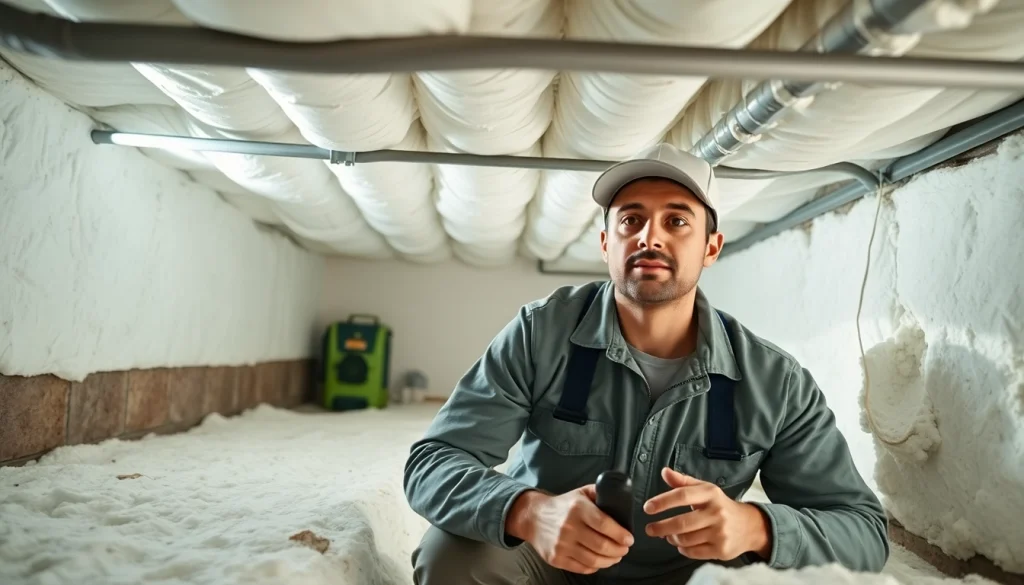
Modern crawl space restoration techniques often emphasize enhancing insulation to promote energy efficiency. First, inspect existing insulation for moisture damage or mold growth. In many cases, removing old insulation and replacing it with moisture-resistant materials can significantly improve thermal performance.
Closed-cell spray foam insulation is recommended for its superior resistance to moisture and damp climates. It can also create an effective air seal, reducing energy loss and improving the efficiency of your HVAC system.
Mold Remediation Processes
Mold remediation is an essential aspect of crawl space restoration. A systematic approach typically involves removing contaminated materials, cleaning surfaces with specialized treatments, and preventing future growth through moisture control. Professionals utilize water-resistant materials and sealants to mitigate moisture ingress and air infiltration.
In severe cases, it may be necessary to utilize professional mold removal services to ensure complete and thorough remediation, preventing mold from re-establishing.
Ventilation Solutions
Proper ventilation is vital for maintaining a healthy crawl space environment. Solutions may include installing vents or utilizing mechanical systems, such as exhaust fans, to encourage air circulation. These systems help control humidity levels, preventing moisture buildup and promoting air exchange.
Another solution is to implement dehumidification systems that actively reduce humidity levels, further mitigating risks associated with water damage and mold growth.
Choosing the Right Professionals
What to Look for in Restoration Services
When selecting professionals for crawl space restoration, you should look for several key attributes:
- Experience: Seek companies with a proven track record in crawl space restoration, showcasing their expertise through certifications and customer testimonials.
- Comprehensive Services: Opt for professionals offering a full range of restoration services, including inspection, mold remediation, and pest control.
- Insurance and Guarantees: Ensure the company is insured and offers warranties on their work to protect your investment.
Questions to Ask Before Hiring
Before making a final decision, consider asking potential service providers the following questions:
- What methods do you use for crawl space insulation and moisture control?
- Can you provide references from previous customers?
- What is your estimated timeline for the restoration project?
- Will you conduct a detailed inspection before starting the work?
- What warranties or guarantees do you provide on the services?
Understanding Cost Factors
The cost of crawl space restoration can vary significantly based on various factors, including:
- Extent of Damage: More severe damage will typically require more comprehensive restoration efforts.
- Location: Pricing may differ based on the region and local labor rates.
- Services Required: The complexity of services needed, such as mold remediation versus simple insulation repair, can affect costs.
It’s advisable to acquire multiple estimates to ensure you receive competitive pricing while maintaining quality service standards.
Preventative Measures for Crawl Space Care
Regular Inspections and Maintenance
Establishing a routine inspection schedule is crucial for identifying potential crawl space issues before they escalate. Schedule professional inspections at least once a year to assess moisture levels, insulation integrity, and overall conditions. Homeowners should also perform seasonal maintenance checks to catch any early signs of damage, ensuring long-term health for the structure.
Homeowner DIY Approaches
Several DIY strategies can prevent crawl space issues, including:
- Gutter Maintenance: Regularly clean gutters and downspouts to avoid water accumulation around the foundation.
- Grading: Ensure the ground slopes away from the home to prevent water from pooling near the crawl space.
- Dehumidifiers: Utilize portable dehumidifiers in the crawl space during humid months to manage moisture levels effectively.
Environmental Controls and Products
Investing in environmental control products is another effective measure for maintaining crawl space health. Consider products specifically designed for moisture control, such as vapor barriers, sump pumps, and specialized insulation. These tools can significantly mitigate moisture risks and enhance the long-term performance of your crawl space.
FAQs About Crawl Space Restoration
What is the average cost of crawl space restoration?
The cost varies widely depending on the extent of damage and required services, usually ranging from $1,500 to $15,000.
How often should I inspect my crawl space?
It’s advisable to inspect your crawl space at least once a year, or every six months in humid climates.
Can I perform crawl space restoration myself?
While some DIY efforts are possible, major issues such as mold remediation or structural repairs should typically be handled by professionals.
What are the long-term benefits of crawl space restoration?
Long-term benefits include improved air quality, increased property value, reduced energy costs, and extended lifespan for your home’s structural components.
How can I prevent moisture in my crawl space?
To prevent moisture, ensure proper gutter and drainage systems, install vapor barriers, and consider using dehumidifiers as needed.