
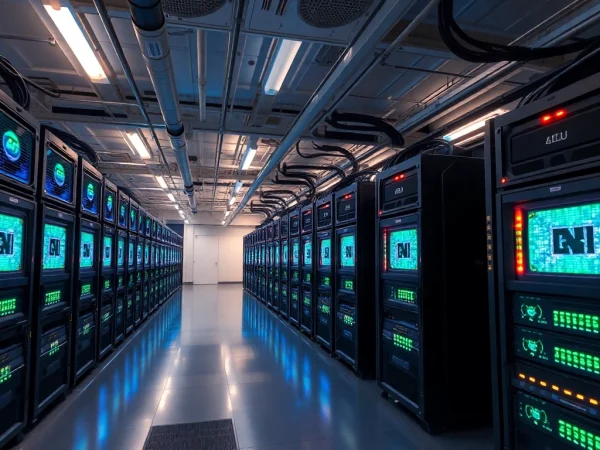
Understanding Crypto Mining: Basics and Beyond
In the rapidly evolving landscape of digital finance, crypto mining emerges as a cornerstone of blockchain technology. But what exactly does it entail? At its core, crypto mining is the validation process that ensures the security and integrity of cryptocurrency transactions. Miners leverage powerful computers to solve complex mathematical problems, thereby confirming transactions on the blockchain and minting new coins in the process. As we delve deeper into this intricate world, we will explore the mechanics of mining, its critical role in blockchain technology, and the essential terminology that defines the field.
For those interested in taking a deeper dive into the mechanics of this technology, resources such as crypto mining platforms provide valuable insights and tools.
What is Crypto Mining?
Crypto mining is the process by which new coins are generated and transactions are verified within a blockchain network. This decentralized nature of mining allows anyone with the requisite hardware to participate, contributing to the process and earning rewards in the form of cryptocurrency. The mining process involves two main functions: adding transactions to the blockchain and releasing new units of cryptocurrency. When a miner successfully validates a block of transactions, they receive a reward, which can be a fixed number of newly minted coins or transaction fees from the validated transactions.
The Role of Miners in Blockchain Technology
Miners play a pivotal role in the upkeep of various blockchain networks. By validating transactions, they ensure that the network remains secure and that no fraudulent activities occur, such as double spending. Additionally, they contribute to the decentralization of the network, reducing the likelihood of control by any single entity. As a result, miners not only facilitate transactions but also uphold the integrity and trustworthiness of cryptocurrencies.
Key Terminology in Crypto Mining
- Block: A collection of transactions that are confirmed and added to the blockchain.
- Hash Rate: The speed at which a miner can solve the mathematical problems required to validate transactions.
- Mining Pool: A group of miners who work together to increase their chances of solving a block and share the rewards.
- ASIC Miner: Application-Specific Integrated Circuit miners, which are designed specifically for the purpose of mining cryptocurrencies.
Challenges Faced by Crypto Miners Today
While crypto mining offers lucrative opportunities, it is not without its challenges. Understanding these obstacles is essential for anyone considering entering the field or optimizing their mining operations.
High Energy Costs: A Major Concern
One of the most pressing issues facing crypto miners today is the high cost of electricity. Mining operations consume an immense amount of power, which can lead to significant operational expenses. In regions where energy costs are particularly high, profitability can be drastically affected. This situation has prompted miners to seek locations with cheaper and more sustainable energy sources to maintain their competitive edge.
Environmental Impact and Sustainability Issues
The environmental footprint of crypto mining has drawn considerable attention, particularly due to the substantial energy consumption associated with the process. Critics argue that the carbon emissions from fossil fuel-powered mining operations contribute to climate change. In response, many miners are exploring renewable energy options, such as wind and solar power, to mitigate their environmental impact and promote sustainable practices within the industry.
Regulatory Challenges and Legal Considerations
As governments worldwide grapple with the rise of cryptocurrencies, regulations surrounding crypto mining have become increasingly complex. In some countries, mining is either heavily regulated or outright banned, presenting challenges for miners operating in those jurisdictions. Compliance with local laws, understanding tax obligations, and navigating international regulations are critical for miners to avoid legal pitfalls and ensure their operations remain viable.
Choosing the Right Equipment for Successful Mining
Equipping oneself with the right tools is paramount for success in crypto mining. The choice of hardware can significantly impact mining efficiency and overall profit margins. Let’s explore the different equipment options available to miners.
Comparative Analysis of ASIC vs. GPU Mining
When it comes to mining hardware, miners primarily choose between ASIC miners and GPU setups. ASIC miners are tailored specifically for mining cryptocurrencies and are generally more powerful and energy-efficient than GPUs. However, they can be expensive and are often limited to a single type of cryptocurrency. In contrast, GPU mining allows for more flexibility, enabling miners to switch between different coins depending on profitability. Each approach has its merits; therefore, miners must assess their goals and resources when deciding which hardware to invest in.
Essential Hardware Components and Tools
Successful mining requires more than just powerful hardware; it also necessitates a solid understanding of the essential components. Key tools for a mining rig include:
- Motherboard: Supports multiple GPUs for enhanced processing power.
- Power Supply Unit (PSU): Provides sufficient power to the mining rig.
- Cooling Systems: Essential for managing heat produced by GPUs and ASICs.
- Mining Software: Programs that facilitate the mining process and connect miners to pools.
Setting Up a Home Mining Rig: Step-by-Step Guide
For those interested in setting up a home mining rig, the process can be broken down into a few simple steps:
- Choose the appropriate hardware based on the chosen mining strategy.
- Assemble the hardware, ensuring all components are correctly connected.
- Install mining software and configure it according to the selected cryptocurrency and mining pool.
- Monitor performance regularly, making adjustments to settings as necessary.
Strategies for Maximizing Mining Profitability
To ensure a successful mining operation, miners must implement strategies that maximize their profitability while minimizing costs and risks. Let’s delve into some effective methods.
Calculating ROI: Understanding Profit Metrics
Understanding return on investment (ROI) is crucial in assessing the viability of any mining operation. To calculate ROI, miners should consider factors such as initial hardware costs, ongoing electricity expenses, and the current market value of the cryptocurrency being mined. Using profitability calculators can assist miners in making informed decisions about their mining ventures.
Joining Mining Pools: Advantages and Disadvantages
Joining a mining pool is a popular strategy for individual miners seeking to increase their chances of earning rewards. By combining resources with other miners, individuals can collectively solve blocks more efficiently and share the rewards. However, it’s essential to consider the fees associated with mining pools and the distribution of rewards, which can vary significantly from one pool to another.
Timing the Market: When to Mine for Maximum Rewards
Timing can greatly influence the profitability of mining operations. Market conditions, including price fluctuations and network difficulty, can have a significant impact on potential rewards. Staying informed about market trends and employing flexible mining strategies can help miners capitalize on favorable conditions and optimize their earnings.
Future Trends in Crypto Mining: What to Expect in 2025
As the landscape of crypto mining continues to evolve, several trends are expected to shape its future in the coming years. Here, we explore innovations and shifts that may redefine the mining ecosystem.
Innovations and Technologies Shaping the Future
Technological advancements are driving the future of crypto mining, with innovations such as enhanced mining software, more efficient hardware, and AI integration. These developments not only boost performance and efficiency but also lower overall energy consumption, making mining operations more sustainable.
The Shift Towards Renewable Energy Sources
With increasing scrutiny on the environmental impact of crypto mining, there is a significant shift towards renewable energy sources. Miners are increasingly transitioning from fossil fuels to solar, wind, and hydroelectric power, both to reduce carbon footprints and to benefit from lower energy costs. This shift is not merely a trend; it represents a fundamental change in the mining landscape that aligns with global sustainability efforts.
Predictions for the Next Decade in Crypto Mining
Looking ahead, the future of crypto mining is likely to become more competitive and regulated. As the industry matures, technological advancements are expected to drive down costs while enhancing efficiency. Additionally, greater regulatory oversight may create a more stable environment for miners, fostering innovation and protecting both consumers and miners themselves. The interplay between these developments could define the next decade of crypto mining, making it an exciting area to watch.