
Saltwater Fly Fishing Tips: Techniques for Success
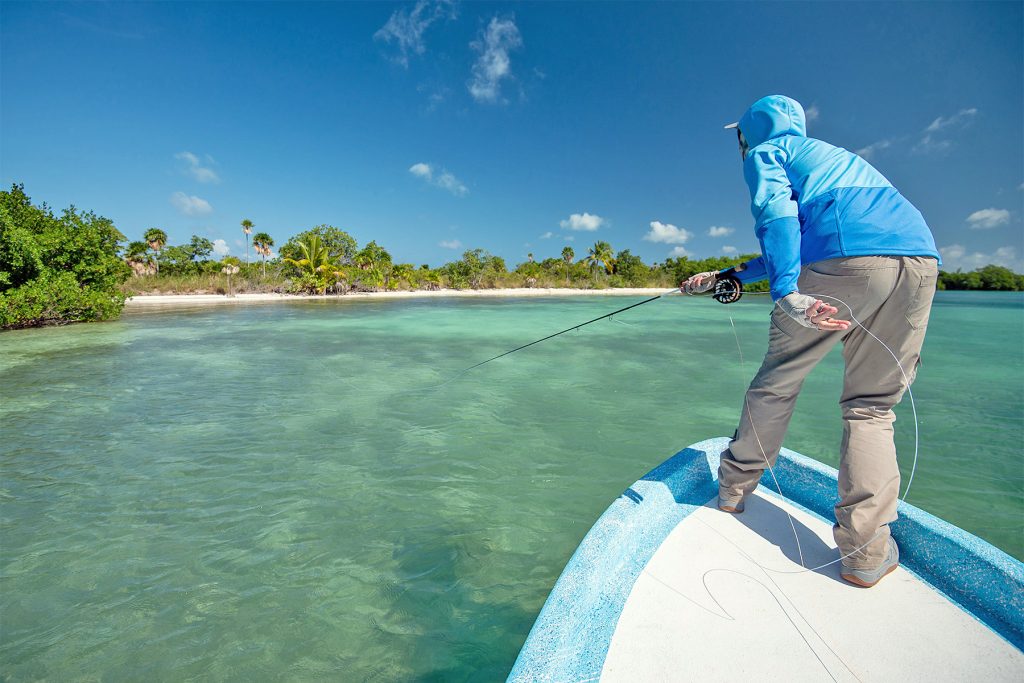
Saltwater fly fishing is an exhilarating and challenging form of angling that allows anglers to connect with the ocean in a unique way. Whether you are targeting tarpon, redfish, snook, or bonefish, mastering saltwater fly fishing requires both skill and patience. At Fly Fishing Specialties, we aim to provide anglers with actionable tips and techniques to increase their chances of success on the water. In this article, we will explore essential strategies for beginners and seasoned anglers alike, focusing on gear selection, casting techniques, and fishing tactics to make your saltwater fly fishing experience more productive and enjoyable.
Essential Gear for Saltwater Fly Fishing
Choosing the right gear is crucial in saltwater fly fishing. A sturdy fly rod and reel combo designed specifically for saltwater conditions will ensure durability against corrosive saltwater environments. For most saltwater fly fishing situations, a 9- to 10-weight rod is recommended, paired with a large-arbor reel and a smooth drag system. When it comes to line selection, weight-forward floating lines are ideal for casting large flies, while intermediate or sinking lines work well for deeper presentations. Don’t forget to equip yourself with saltwater-resistant leaders and tippets to prevent break-offs when targeting powerful saltwater species. Proper gear not only improves your fishing efficiency but also enhances your overall saltwater fly fishing experience.
Mastering Casting Techniques
Casting effectively is a cornerstone of successful saltwater fly fishing. Unlike freshwater fishing, saltwater conditions often involve wind, waves, and moving targets, making accurate casting essential. Roll casting, sidearm casting, and double hauling are indispensable techniques that allow you to cover more water and reach distant fish. Practicing these casts on land before hitting the water can dramatically improve your performance. Additionally, learning how to adjust your casting angle relative to wind direction will help you maintain control and prevent line tangles. With consistent practice, mastering these casting techniques will elevate your saltwater fly fishing skills significantly.
Reading the Water
Understanding how to read the water is a critical skill in saltwater fly fishing. Look for signs of fish activity such as splashes, jumping fish, bait schools, or birds diving into the water. These indicators help you identify feeding zones and improve your chances of hooking fish. Flats, channels, drop-offs, and mangrove edges are all productive habitats for saltwater species. Observing tidal movements and current patterns can also give you an edge, as many saltwater fish follow shifting tides in search of food. By honing your ability to read the water, you will become a more efficient and effective saltwater fly angler.
Choosing the Right Fly
Selecting the right fly is essential for success in saltwater fly fishing. Popular choices include poppers, shrimp patterns, baitfish imitations, and streamers. Matching the hatch—choosing flies that imitate the local forage—is a time-tested strategy. Color selection can also play a significant role; bright colors are often effective in murky water, while natural shades work well in clear conditions. Remember that presentation is just as important as fly selection. Learning how to retrieve your fly with lifelike movement can entice even the wariest saltwater fish. Experimenting with different fly patterns and retrieval speeds will help you determine what works best in your fishing environment.
Techniques for Landing Big Fish
Landing a saltwater fish requires patience, skill, and proper technique. Once hooked, avoid making sudden jerks, as this increases the risk of losing the fish. Maintain consistent pressure while letting the fish run when necessary. Using a quality landing net or a long-handled gaff can help safely bring the fish aboard. Always handle the fish carefully to ensure its survival if you practice catch-and-release. Proper fighting techniques, combined with strong tackle and precise hook sets, can turn a challenging saltwater fly fishing encounter into a memorable success.
Safety and Environmental Considerations
Saltwater fly fishing not only demands skill but also responsible practices. Always wear polarized sunglasses to protect your eyes from both the sun and flying hooks. Using sunscreen, a hat, and protective clothing can prevent sunburn during long hours on the water. Additionally, following local fishing regulations, respecting catch limits, and practicing catch-and-release ensures that fish populations remain healthy for future generations. By combining skill with responsible fishing practices, saltwater fly fishing becomes both an enjoyable and sustainable activity.
Conclusion
Saltwater fly fishing is a thrilling and rewarding pursuit that challenges anglers to master a variety of techniques and develop a deep understanding of the marine environment. By focusing on the right gear, refining casting skills, reading the water, selecting effective flies, and employing proper landing techniques, you can significantly improve your saltwater fly fishing success. Remember to respect local regulations and practice sustainable angling habits to preserve the marine ecosystem. Whether you are a beginner or an experienced angler, embracing these tips will make your saltwater fly fishing adventures more productive and enjoyable, allowing you to create lasting memories on the water.