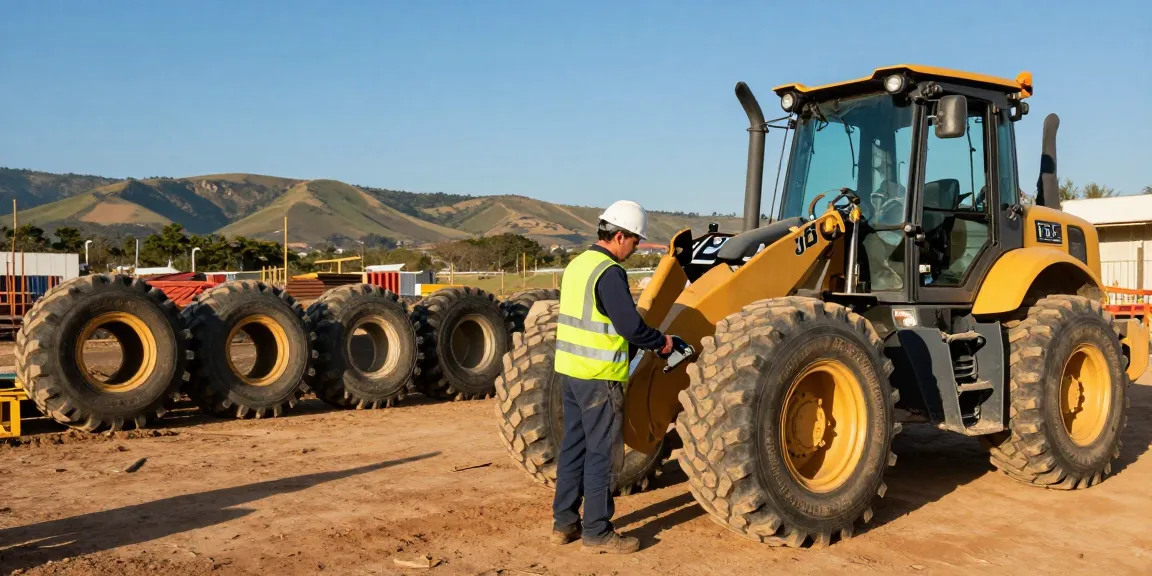
The Importance of Construction Workforce Development
The construction industry is a cornerstone of economic development, significantly contributing to national and local economies. Yet, as demand for infrastructure and building projects continues to grow, a pressing issue emerges: the need for a skilled and robust workforce. Construction workforce development is essential not only for meeting project demands but also for fostering a sustainable economic environment. This article explores the importance of workforce development in the construction sector, examining challenges, benefits, strategies, metrics, success stories, and future trends in the industry.
Understanding Workforce Challenges
The construction industry faces several significant workforce challenges, including an aging workforce, rising retirements, and a shrinking pool of skilled tradespeople. Many experienced workers are nearing retirement age and leaving the workforce without sufficient new entrants to replace them. This shortage is further exacerbated by a lack of awareness among younger generations regarding the opportunities within construction trades. Moreover, the fast-paced evolution of technology requires continuous learning and adaptability, adding another layer of complexity to workforce development efforts.
Benefits of Skilled Labor
Skilled labor is pivotal to delivering high-quality construction projects. When workers are trained and equipped with the necessary skills, projects are completed more efficiently, on time, and within budget, ultimately leading to increased profitability for firms. Moreover, a skilled workforce can significantly enhance safety on job sites. Workers who are trained in safety protocols and best practices are less likely to experience accidents, leading to fewer delays and legal issues. Finally, investing in skilled labor enhances company reputation, helping businesses attract new clients and retain existing ones.
Impact on Community Infrastructure
The implications of effective construction workforce development extend beyond individual companies; they resonate throughout communities. A skilled workforce helps ensure that infrastructure projects, such as roads, bridges, and public facilities, meet the needs of the public while adhering to safety standards and sustainability practices. Well-trained workers contribute to the overall quality of construction, resulting in structures that are resilient and enduring. Additionally, communities benefit from the economic uplift that comes from increased employment opportunities and local investments driven by robust construction activity.
Key Strategies for Developing a Skilled Workforce
Creating Comprehensive Training Programs
To cultivate a skilled workforce, construction companies must establish comprehensive training programs that address the specific needs of their operations. These programs should include a blend of classroom instruction and hands-on training, allowing workers to gain practical experience. Apprenticeships, for example, are invaluable, providing real-world learning opportunities while enabling employers to assess potential hires. Furthermore, specialized training in emerging technologies, such as Building Information Modeling (BIM) and green construction practices, should be incorporated to keep workers competitive in a changing industry landscape.
Utilizing Technology in Training
The integration of technology in training not only enhances learning but also appeals to younger generations accustomed to digital tools. Virtual Reality (VR) and Augmented Reality (AR) can simulate real-life construction scenarios, offering safe environments for learners to practice skills. Online learning platforms also enable flexible training schedules, accommodating workers’ varying availability. By leveraging technology, companies can provide engaging and effective training experiences that prepare workers for the modern construction landscape.
Building Partnerships with Educational Institutions
Forging partnerships with local educational institutions is crucial for sustainable workforce development. Collaborations with community colleges, universities, and vocational schools can facilitate tailored training programs that align with industry needs. Additionally, these partnerships can create pathways for students to transition seamlessly into the workforce. Companies that engage with educational institutions can help shape curricula to ensure that graduates possess the skills necessary for employment, ultimately addressing workforce gaps and fostering community development.
Performance Metrics to Evaluate Workforce Development
Tracking Skill Acquisition
Measuring skill acquisition is essential to evaluate the effectiveness of training programs. Companies can implement assessments and competency tests to determine whether workers have mastered specific skills. These evaluations should be conducted regularly to identify areas for improvement and ensure that training objectives are being met. Additionally, documenting progress through certifications or digital badges can serve as motivating factors for workers, while also providing employers with tangible evidence of skill development.
Measuring Job Placement Success
Job placement success is another key indicator of effective workforce development. Tracking the employment rates of program graduates can provide valuable insights into the program’s impact. Companies should aim for high placement rates while also assessing the retention of these workers over time. Feedback from both graduates and employers can help refine programs, ensuring they remain relevant and effective in meeting industry needs.
Assessing Employer Satisfaction
Employers play a crucial role in the workforce development ecosystem, and their satisfaction should be a key performance metric. Conducting surveys and gathering feedback allows companies to gauge whether their training programs are producing workers with the skills and attributes needed for success. Regular communication with industry stakeholders helps identify evolving needs and ensures that training efforts remain aligned with current market demands.
Real-World Examples of Workforce Development Success
Case Studies from Leading Construction Firms
Many leading construction firms are exemplifying successful workforce development initiatives. For instance, Turner Construction has implemented a robust apprenticeship program that combines classroom training with hands-on experience. This program not only has significantly increased the skill levels of workers but has also improved retention rates, demonstrating the positive impact of investing in workforce training.
Community Initiatives that Worked
Community-driven initiatives have also proven effective in fostering a skilled construction workforce. Programs like the Construction Careers Academy in San Antonio, Texas, engage local high school students in hands-on construction training and mentorship opportunities. This model not only prepares students for careers in construction but also addresses local workforce shortages, demonstrating how targeted community efforts can lead to industry growth.
Government Programs that Support Development
Government programs can play a critical role in promoting construction workforce development. For example, the U.S. Department of Labor’s apprenticeship initiatives provide funding and resources to support training and job placement. By incentivizing companies to hire and train apprentices, these programs help bridge the skills gap in the construction industry, ensuring that a new generation of workers is prepared for the challenges ahead.
The Future of Workforce Development in Construction
Trends Shaping the Industry
The construction industry is on the precipice of significant change, driven by both technological advancements and shifting economic conditions. Automation and AI are beginning to permeate the construction process, necessitating a workforce that is not only skilled in traditional trades but also adept at managing and utilizing new technologies. As a result, workforce development strategies must evolve to include training in these areas, preparing workers for a future where advanced technology plays a central role in construction.
Embracing Diversity and Inclusion
In an increasingly interconnected world, embracing diversity and inclusion within the workforce is essential. Diverse teams drive innovation and creativity, leading to better problem-solving and project outcomes. Construction firms should actively pursue initiatives that attract underrepresented groups into the industry, including women, minorities, and individuals with disabilities. Workforce development programs that incorporate diverse perspectives will create a more robust and adaptive workforce in the long term.
Preparing for Technological Advancements
As technology continues to reshape the construction landscape, the development of a workforce that can harness these advancements is crucial. Training programs must include components that address software tools, project management systems, and new construction technologies such as 3D printing and modular building. By equipping workers with the knowledge and skills needed to thrive in a tech-driven environment, companies can ensure they remain competitive in a rapidly changing industry.