
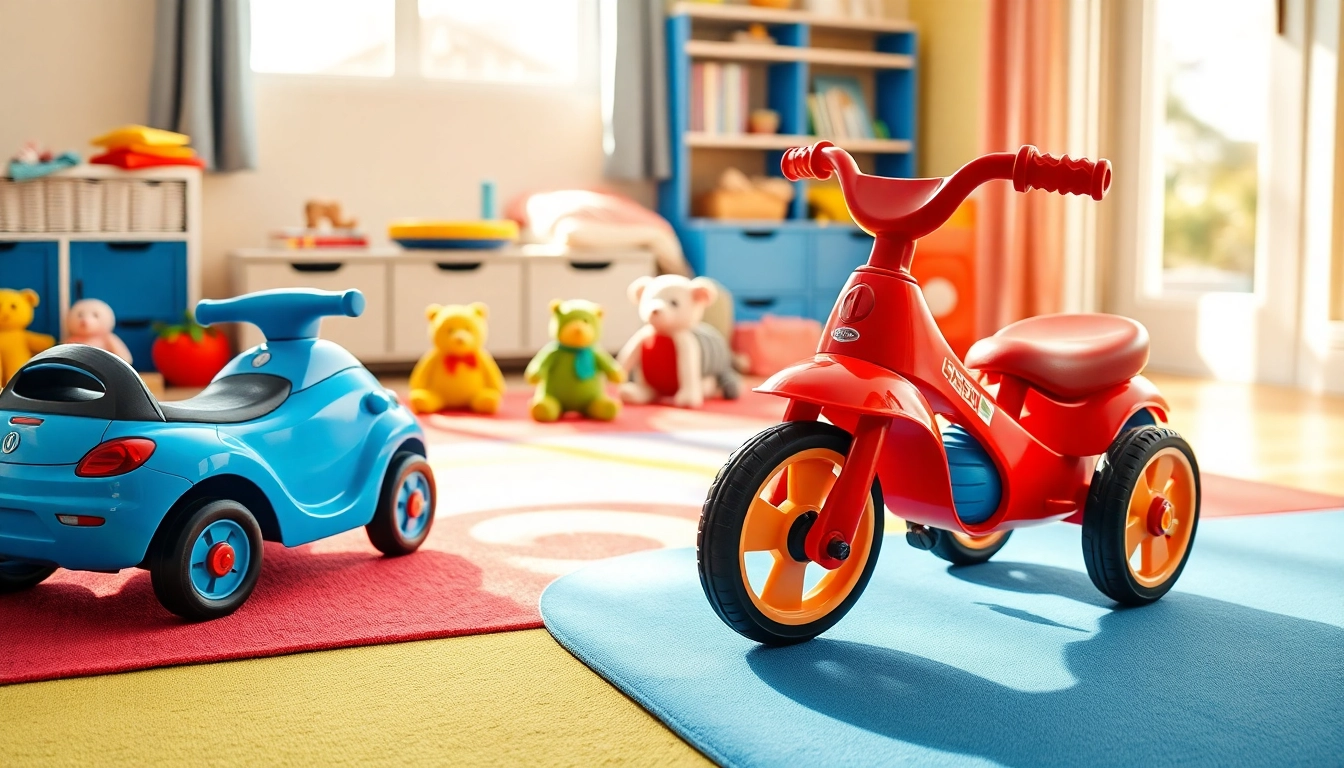
Understanding the Benefits of Ride on Toys
Ride on toys are more than just entertaining playthings for children; they serve a vital role in their overall development. Engaging with ride on toys can foster several essential skills that contribute to a child’s physical, cognitive, and social development. Understanding these benefits can help parents make informed decisions about the right toys for their children.
Physical Development and Coordination
One of the most significant advantages of ride on toys is their positive impact on physical development. From balancing to steering, children learn various motor skills that are critical during their early years. As they push, pedal, or maneuver their ride on toys, kids engage in activities that improve their hand-eye coordination and overall balance.
Moreover, most ride on toys come equipped with features that address physical strength. For instance, young children need to exert effort to propel themselves forward, specially with tricycles and push toys, engendering not only muscle strength but also endurance as they continue to play. Encouraging outdoor play with these toys can combat the sedentary nature of modern childhood, making it a fun way for kids to stay active.
Enhancing Imagination and Creativity
Aside from physical benefits, ride on toys stimulate imagination and creativity. Many models encourage role-playing scenarios like going on a ‘trip to the store’ or ‘adventure in the woods,’ thereby providing a platform for storytelling. Such play can introduce children to various motivations, characters, and plots that enable them to explore their imaginative minds while developing narrative skills.
The versatility of ride on toys allows for endless possibilities of imaginative adventures, from cruising down the sidewalk to racing with friends. Kids can redesign their rides or create imaginary environments where their toys ‘come to life,’ contributing to cognitive development as they navigate storylines and role plays. This not only enhances curiosity but also aids in developing a child’s creative problem-solving ability as they act out different scenarios.
Social Interaction and Play
Socialization is an inherent part of childhood development. Ride on toys often become the centerpiece of playdates, where children can engage with their peers while working cooperatively or competing for fun. This interaction fosters essential social skills such as negotiation, sharing, and team dynamics.
When children play with others using their ride on toys, they learn the nuances of social skills like taking turns or communicating effectively. It’s a natural way for them to learn about relationships, empathy, and conflict resolution as they navigate unstructured play environments.
Types of Ride on Toys Available
The market offers a diverse range of ride on toys catering to different age groups and needs. Understanding the different types available can help in selecting the most suitable option for your child.
Classic Tricycles
Classic tricycles are a timeless choice in the realm of ride on toys. They provide stability for younger children while allowing them to develop pedaling and steering skills. Many tricycles come with adjustable seats that can grow with the child, ensuring long-term usability. Brands often incorporate safety features like a low center of gravity and durable frames, leading to a safe and fun riding experience.
When selecting a tricycle, consider factors like weight capacity, braking system, and visual appeal to capture the child’s interest. Elements such as bell sounds or fun stickers can significantly enhance children’s excitement, encouraging longer playtime.
Electric Ride-On Vehicles
Electric ride-on vehicles are becoming increasingly popular among kids, providing a real driving experience as they zip around the block. These toys often simulate real car features such as steering wheels, working lights, and sounds, bridging the gap between imaginative play and early learning. They usually come with a parental remote control feature, allowing parents to supervise the play.
Parents should assess the battery life, weight recommendations, and charging requirements before purchasing an electric vehicle. Safety gear such as helmets should also be promoted with this type of ride on toy to ensure children are protected while enjoying their newfound autonomy.
Pushing Toys vs. Pulling Toys
Pushing and pulling toys can be excellent options for younger toddlers developing their walking skills. Pushing toys often have handles to help toddlers balance while providing visual stimulation through colors and shapes to keep them engaged. These toys encourage early walking skills by giving stabilizing support, aiding in their physical development.
On the other hand, pulling toys can promote gross motor skills differently. These toys typically feature strings that toddlers can grab onto to pull along, motivating them to walk and run while honing fine motor skills. With both types, you can enhance your child’s physical interaction with their environment, fostering independence and movement.
Safety Features in Ride on Toys
The safety of children when using ride on toys is paramount. Understanding the key safety features can ensure that they experience fun while minimizing potential dangers.
Stability and Construction
When evaluating ride on toys, the stability of the design is crucial. Toys designed with a low center of gravity are less likely to tip over, providing a secure platform for children to play safely. High-quality materials such as reinforced plastics and metals contribute to the overall sturdiness and longevity of the toy.
Look for ride on toys with non-slip surfaces on the wheels, as these can prevent sliding and allow for a more controlled movement. Features like wider bases or additional stabilizing elements can further enhance safety, especially for younger children just discovering the joy of riding.
Age Appropriateness
Choosing age-appropriate ride on toys is vital to ensuring safety. Toys designed for older children may not suit younger children and might pose risks of injury. Each ride on toy usually has a recommended age range, which should be adhered to. For instance, smaller ride on toys are often better for toddlers, while larger or more complex vehicles can be suitable for older kids with more developed skills.
Before selecting a toy, it’s important to note both the height and weight recommendations, ensuring your choice matches your child’s age and developmental stage.
Material Safety Standards
Safety standards regarding materials used in ride on toys should also be carefully considered. Non-toxic materials are imperative, especially since young children often put items in their mouths. Look for certifications or safety marks, such as ASTM, EN71, or other regulatory bodies that adhere to rigorous safety evaluations.
Parents should also inspect toys regularly for wear and tear, ensuring that there are no sharp edges, small parts that could pose choking hazards, or other hazards that could compromise safety during playtime.
Tips for Choosing Ride on Toys
Choosing the right ride on toy can seem overwhelming, considering various options available in the market. Here are some expert tips to guide your decision-making process.
Assessing Age and Skill Level
Understanding your child’s age and skill level is the first step in choosing the right ride on toy. A toy too advanced for their current abilities may discourage confidence and lead to frustration, while a toy too simple may not keep them engaged.
Consider factors like your child’s current interests and skills. For example, if they’re showing more interest in balancing activities, a tricycle may be a better option over an electric vehicle, encouraging both physical activity and overarching development.
Consideration of Space and Environment
The environment where your child will use a ride on toy plays a significant role in your selection process. Indoor toys typically need to be smaller, lightweight, and easily maneuverable, whereas outdoor toys might offer more robust features that withstand various weather conditions.
Ensure there is adequate space for the toy’s safe use, encouraging natural exploration while minimizing the risk of accidents that can occur near sharp turns or obstacles.
Engaging with Your Child’s Interests
It’s essential to engage your child’s personal interests when selecting a ride on toy. Whether they prefer construction vehicles, racing cars, or even animals, understanding their passions can significantly influence their enjoyment and playtime quality. Matching toys to interests can pique their engagement, encouraging educational growth through motivation.
Ask your child for input about what types of toys excite them. Their enthusiasm can lead to extended playtime, making the ride on toy a staple in their daily routines.
FAQs About Ride on Toys
How do ride on toys support child development?
Ride on toys enhance physical coordination, promote imaginative play, and facilitate social interactions, all of which are crucial for child development.
What age is appropriate for ride on toys?
Ride on toys are generally suitable for children aged 1–7, but always check specific age recommendations based on the toy’s design and features.
Are electric ride on toys safe for young children?
Electric ride on toys can be safe if they include safety features like parental controls, secure seating, and are age-appropriate for the child.
How can I ensure my child’s safety while playing?
To ensure safety, supervise your child during play, use appropriate safety gear, and choose ride on toys with proper safety features and durable materials.
What materials are safest for ride on toys?
The safest materials for ride on toys are non-toxic plastics and metals, ensuring durability while being safe for young children.