Understanding Light & Airy Photography
Defining the Aesthetic
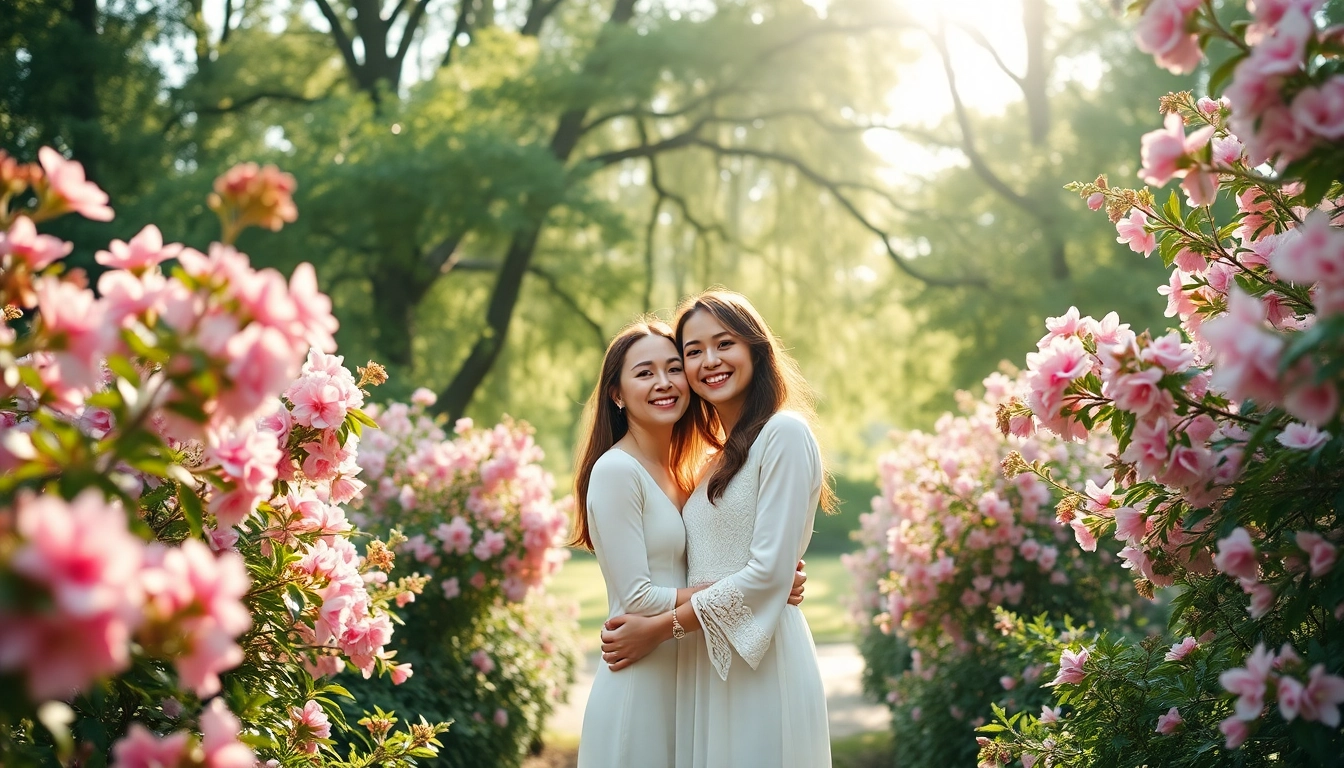
Light & airy photography is characterized by soft lighting, bright colors, and an ethereal quality that evokes a sense of tranquility and joy. This style serves to make the subjects appear light-hearted and whimsical, enhancing the narrative of a moment. The use of natural light, pastel color schemes, and plenty of negative space distinguishes it from more traditional, contrast-heavy photography styles. Light & airy photography is often employed in various genres, including weddings, portraits, and lifestyle photography, making it a versatile choice for many photographers.
Historical Context and Evolution
The light and airy aesthetic has roots tracing back to the Romantic art movement, where soft light and gentle colors were prominent. With the advent of digital photography in the late 20th century, this aesthetic saw a resurgence as photographers sought to capture moments that felt spontaneous and natural. The rise of social media platforms like Instagram further popularized this style, allowing photographers to showcase their ability to create dreamy images that resonate with viewers. Over time, light & airy photography has evolved, incorporating contemporary techniques that enhance its magical appeal.
Key Characteristics of the Style
- Soft Lighting: An essential component, soft lighting can be achieved using natural light, particularly during golden hour or in shaded areas.
- Pale Color Palette: Often featuring whites, soft pastels, and light hues to create a harmonious feel.
- Minimalism: Frequent use of negative space and simple compositions to focus attention on the subject.
- Emphasis on Emotion: Capturing genuine expressions and moments, enhancing the connection between the subject and viewer.
Essential Techniques for Light & Airy Photography
Lighting Tips to Enhance Your Shots
Lighting plays a pivotal role in achieving the light & airy aesthetic. To maximize the effects of natural light, photographers should aim to shoot during the golden hour—shortly after sunrise and before sunset. During these times, the sun casts a warm and soft glow that enhances the dreamy quality of images. If shooting during midday when the sun is harsh, seeking shaded areas can help create a gently diffused light environment. Reflectors can also be employed to bounce light and fill in shadows for a lighter feel.
Choosing the Right Settings and Equipment
A camera with good low-light capabilities is beneficial for light & airy photography. Selecting a wide aperture setting, such as f/1.8 to f/3.5, helps achieve a soft background blur (bokeh effect), which emphasizes the primary subject. Additionally, adjusting the ISO and shutter speed is essential to avoid under- or over-exposing images while maintaining brightness. Using a lightweight DSLR or mirrorless camera enables easier handling, allowing for flexibility in various shooting situations.
Composition Techniques for Stunning Photos
Composition is a vital aspect of light & airy photography. Following the rule of thirds helps create balanced compositions where the subject is placed off-center, enhancing aesthetic appeal. Framing subjects with natural elements, such as trees or flowers, can add depth while maintaining a soft look. Photographers should also experiment with angles—shooting slightly above or below eye level can produce more dynamic and interesting results.
Creating a Light & Airy Atmosphere
Color Palette and Props to Consider
A pastel color palette is often best suited for light & airy photography. Utilizing props in soft hues can complement the overall mood. Consider using delicate fabrics like lace or tulle, which enhance the whimsical aspect. Floral elements can be employed not only in the scene but as part of the props, contributing to the lightness of the composition.
Location Scouting for Ideal Environments
Finding the right location is crucial for capturing the light & airy feel. Look for outdoor settings with natural light, such as parks, beaches, or fields. Urban locations can be equally effective if they feature minimalistic backdrops or natural elements. Buildings with large windows also provide soft light that can positively influence the aesthetic outcome. Take time to revisit locations at different times of day to identify optimal light conditions.
Achieving the Right Mood and Vibe
The mood of the photos should align with the light & airy style. Directing subjects to engage in natural interactions can help capture genuine emotions. Encourage spontaneity by suggesting fun movement or light-hearted poses. Playing soft music in the background during sessions can also foster a relaxed atmosphere, which translates into authentic expressions.
Post-Processing Light & Airy Photography
Editing Techniques to Emphasize Brightness
Post-processing is essential in enhancing the light & airy style. Start by adjusting the exposure, brightness, and contrast settings in your editing software to create a lighter image. Increase the whites and highlights to make the overall image pop without losing details in bright areas. Fine-tuning shadows can also contribute to a more intriguing and balanced image with an airy feel.
Using Software Tools Effectively
Editing programs like Adobe Lightroom and Photoshop offer powerful tools tailored for light & airy photography. Use the tone curve to create subtle adjustments in brightness and contrast. The HSL (Hue, Saturation, Luminance) panel is vital for modifying colors to achieve the desired pastel effect, focusing on softening reds and greens while enhancing yellows and blues. Take advantage of presets specifically designed for light & airy aesthetics to streamline the editing process.
Balancing Color and Contrast in Edits
When editing light & airy photography, balancing color and contrast is imperative to sustain the ethereal quality. Avoid oversaturating colors; instead, maintain a pastel vibe by carefully lowering saturation in certain hues. Utilize gradients and brushes in editing software to selectively lighten or enhance regions of the image, contributing to an overall harmonious composition without overwhelming the viewer.
Common Mistakes in Light & Airy Photography
Overexposure and How to Avoid It
One of the most common mistakes in light & airy photography is overexposing images. While a bright image is desired, it is essential to retain detail, particularly in highlights. Utilize histogram readings to ensure proper exposure levels. Shooting in RAW format gives more flexibility in post-processing, allowing for corrections without sacrificing image quality.
Neglecting the Importance of Equipment
Another pitfall is overlooking the impact of camera equipment. Utilizing lenses that work well in low-light conditions is important for achieving the right aesthetic without increasing ISO excessively—thus avoiding graininess. A sturdy tripod can also contribute to stability, particularly in challenging lighting conditions, ensuring consistent results regardless of the setting.
Ignoring Post-Processing Techniques
Commonly, photographers may underestimate the significance of post-processing in achieving a light & airy feel. Editing is an extension of the shooting process; it allows photographers the opportunity to refine images to their desired style. Developing a workflow that includes initial adjustments and final polishing can greatly enhance the professional quality of photos.
FAQs About Light & Airy Photography
What is light & airy photography?
Light & airy photography is an aesthetic characterized by bright colors, soft lighting, and dreamy compositions, aiming to evoke a sense of tranquility and joy.
How can I achieve a light & airy look?
Utilize natural light, choose soft pastel colors, use minimalistic compositions, and edit to enhance brightness while maintaining detail.
What time of day is best for light & airy photography?
The golden hour, just after sunrise and before sunset, is ideal for soft, diffused lighting that enhances the light & airy aesthetic.
Do I need special equipment for light & airy photography?
While a good camera and a wide aperture lens help, the most important factors are your use of light and your editing techniques for achieving the style.
How do I avoid overexposure in my images?
Monitor your histogram, shoot in RAW format for better editing flexibility, and adjust your exposure settings to retain details in bright areas.