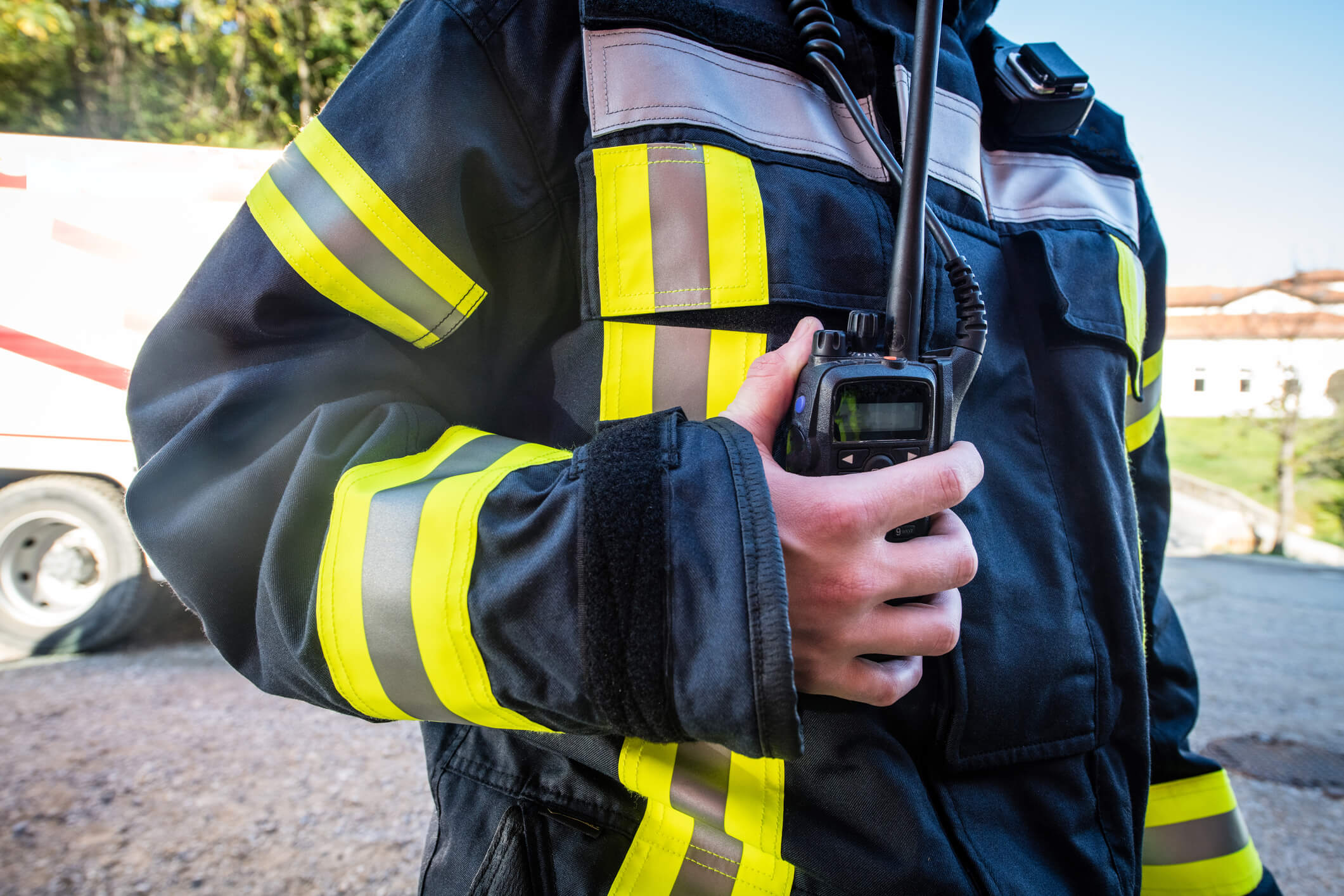

In today’s fast-paced world, ensuring workplace safety and rapid response during emergencies is crucial. Emergency communication tools are now a vital component for organizations seeking to protect employees, assets, and operations. Integrating these tools with Safety Management Systems (SMS) allows companies to streamline alerting, reporting, and incident management, ultimately enhancing overall safety outcomes. By combining advanced communication technology with structured safety protocols, businesses can mitigate risks and respond effectively when emergencies arise.
The Importance of Emergency Communication Tools
Emergency communication tools provide organizations with the ability to quickly notify employees, first responders, and management about critical incidents. Whether it is a natural disaster, workplace accident, or security threat, the speed and accuracy of communication can make a significant difference in outcomes. These tools are designed to deliver real-time alerts via multiple channels, including SMS, email, phone calls, and mobile applications. Without these tools, organizations risk delayed responses and increased liability.
Integrating emergency communication tools with a Safety Management System ensures that alerts are not only sent but also tracked, analyzed, and recorded. This integration allows organizations to maintain compliance with regulatory requirements and continuously improve their safety protocols based on incident data.
Key Features of Emergency Communication Tools
Modern emergency communication tools come equipped with a variety of features that enhance their effectiveness:
Multi-Channel Alerts
Organizations can reach employees through multiple platforms, ensuring no message is missed. Alerts can be sent via text messages, emails, push notifications, or even voice calls.
Automated Notifications
Automation allows emergency alerts to be triggered by specific events, such as smoke detectors, security breaches, or weather alerts. This reduces human error and ensures timely communication.
Integration with Safety Management Systems
When emergency communication tools are linked with SMS, alerts can trigger predefined safety protocols. For example, a fire alarm can automatically notify all building occupants and initiate evacuation procedures.
Real-Time Tracking
These tools provide live updates on alert delivery, employee acknowledgment, and response actions. Real-time tracking improves accountability and helps managers make informed decisions during emergencies.
Analytics and Reporting
Integration with Safety Management Systems allows organizations to generate reports on incident response times, communication efficiency, and overall system performance. This data helps in refining emergency response strategies.
Benefits of Integrating Emergency Communication Tools with Safety Management Systems
Combining emergency communication tools with a Safety Management System provides multiple benefits:
Improved Response Times
Immediate notifications allow employees and first responders to take quick action, reducing the impact of emergencies.
Enhanced Safety Compliance
Integration ensures that communication protocols align with OSHA, ISO, and other safety regulations, helping organizations avoid penalties and maintain safety certifications.
Centralized Incident Management
All alerts and responses are logged in one system, providing a clear record of events and actions taken. This simplifies incident reporting and post-event analysis.
Scalability and Flexibility
Modern emergency communication tools can scale to accommodate small businesses or large enterprises. Customizable alerts and protocols ensure that every organization’s needs are met.
Employee Confidence
Knowing that reliable emergency communication tools are in place gives employees peace of mind, fostering a culture of safety and trust within the organization.
Choosing the Right Emergency Communication Tools
When selecting emergency communication tools for integration with a Safety Management System, organizations should consider the following factors:
Compatibility
Ensure the tools can seamlessly integrate with existing safety systems and software platforms.
Reliability
Tools must function effectively under all conditions, including power outages and network disruptions.
Ease of Use
User-friendly interfaces and mobile accessibility allow employees and managers to respond quickly without confusion.
Customization Options
Organizations should be able to tailor alerts, escalation protocols, and reporting features to meet specific safety requirements.
Support and Maintenance
Reliable customer support and regular system updates are essential to maintain the efficiency of emergency communication tools over time.
Case Studies of Successful Integration
Many organizations have successfully integrated emergency communication tools with Safety Management Systems, demonstrating the impact on workplace safety. For example, a manufacturing facility reduced response times to on-site accidents by 50% after deploying integrated tools. Similarly, a healthcare institution improved compliance with safety protocols during fire drills by automating alert notifications. These examples highlight how the combination of technology and structured safety systems can save lives and protect assets.
Future Trends in Emergency Communication Tools
The future of emergency communication tools is closely linked with advancements in artificial intelligence, IoT, and cloud computing. Predictive analytics can identify potential risks before they escalate into emergencies, allowing proactive interventions. Cloud-based platforms enable real-time collaboration across multiple locations, ensuring consistent communication in distributed organizations. Integration with wearable devices and smart sensors will further enhance the speed and accuracy of emergency notifications, making workplaces safer than ever.
Conclusion
Implementing emergency communication tools integrated with Safety Management Systems is no longer optional—it is a necessity for modern organizations. These tools ensure rapid, reliable, and coordinated responses during emergencies, improving safety outcomes and regulatory compliance. By choosing the right tools, training employees, and continuously monitoring performance, businesses can create a robust safety culture and protect both people and operations from unforeseen events.