
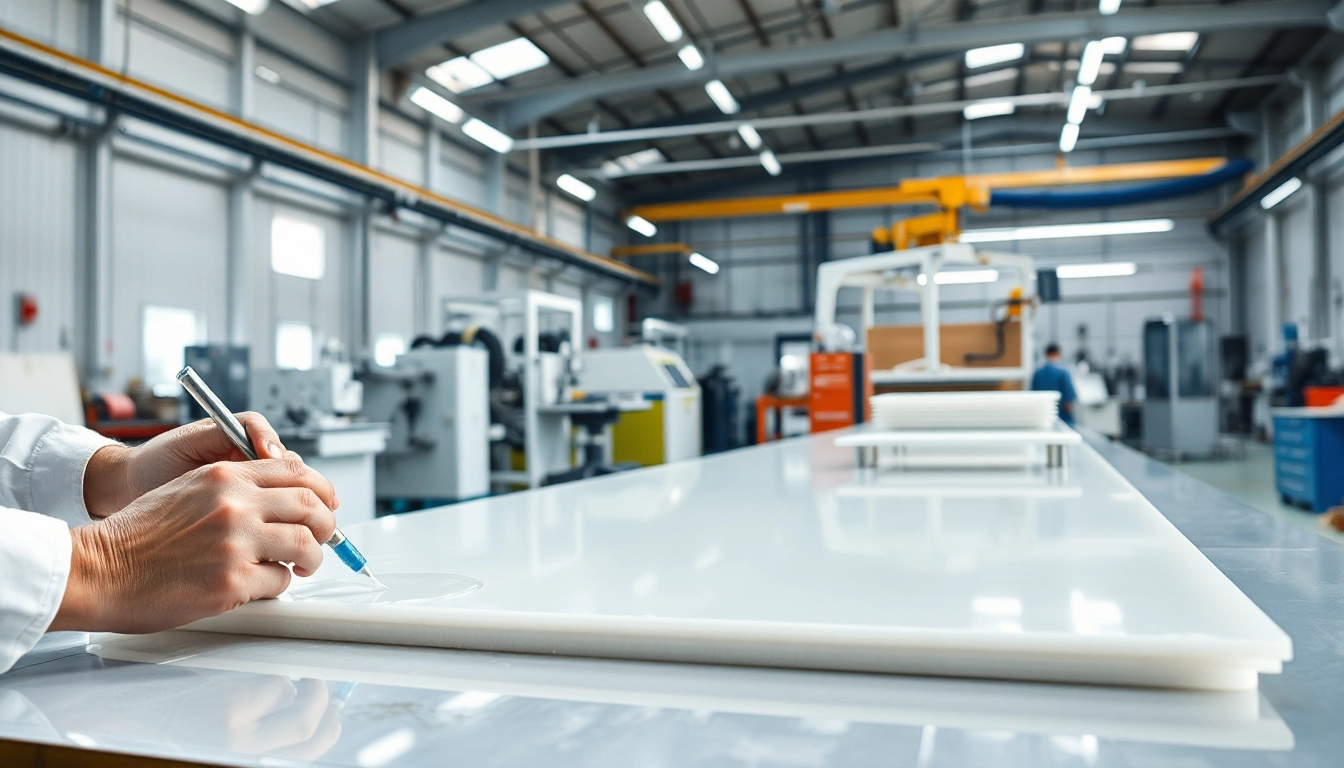
Understanding GRP Manufacturer Technologies
Basics of Glass Reinforced Plastic
Glass Reinforced Plastic (GRP), commonly known as fiberglass, represents a versatile composite material made up of a polymer matrix reinforced with glass fibers. The unique properties of GRP originate from the synergy between its constituent materials: the plastic provides flexibility and strength, while the glass fibers add significant tensile strength and rigidity. This combination yields a lightweight yet durable material suitable for a wide range of applications, from construction to automotive engineering.
Manufacturing Process Overview
The process of manufacturing GRP typically involves several key steps: material preparation, mold creation, fiber reinforcement, curing, and finishing. Initially, polymer resin is prepared, often using unsaturated polyester or epoxy. In the next phase, glass fibers are cut into specific lengths, then layered within a mold. The resin is introduced into the mold, saturating the fibers. Once the desired thickness is achieved, the structure undergoes curing—either at room temperature for a day or accelerated with heat. After curing, the final product is demolded, trimmed, and inspected for quality. This systematic process is critical for ensuring the mechanical properties and consistency of the final GRP product.
Key Materials Used in GRP Production
GRP production typically utilizes various key materials which are pivotal to the composite’s performance. The primary raw materials include:
- Resins: Unsaturated polyester and epoxy resins are the most common, providing excellent adhesion and flexibility.
- Glass Fibers: These come in various forms, such as rovings, mats, or woven cloths, imparting strength and durability.
- Additives: Catalysts and fillers, including pigments and UV stabilizers, enhance properties such as curing speed and environmental resistance.
Applications of GRP in Various Industries
Overview of Industry Applications
The adaptability of GRP has led to its adoption across numerous industries. In construction, it is used for roofing, cladding, and even structural components. The automotive sector utilizes GRP for body parts and interior components due to its lightweight nature, which improves fuel efficiency. Additionally, sectors like marine, electrical, and even aerospace are leveraging GRP for various applications, highlighting its versatility as a composite material.
Benefits of GRP in Construction
Within the construction industry, GRP boasts several advantages, such as:
- Weather Resistance: GRP does not corrode or decay, offering longevity even in harsh environments.
- Customizability: It can be molded into any shape or size, allowing for innovative architecture and design.
- Lightweight: GRP’s low weight reduces structural load, making it a favored choice for high-rise buildings.
GRP Applications in Automotive Engineering
In automotive engineering, GRP is particularly favored for its strength-to-weight ratio. This characteristic aids manufacturers in producing parts that enhance fuel efficiency without sacrificing durability. Key applications include:
- Body Panels: GRP allows for streamlined shapes and designs while protecting against impact.
- Interior Components: Lightweight and customizable, GRP parts improve overall vehicle aesthetics and functionality.
- Safety Features: Innovatively designed GRP components can support advanced safety measures through structural enhancements.
Benefits of GRP Products
Durability and Longevity of GRP
One of the foremost advantages of GRP is its inherent durability. GRP products are resistant to moisture, chemicals, and ultraviolet rays, which significantly extends their lifespan compared to traditional materials. This longevity translates into reduced maintenance costs over time, making GRP an economically viable option for various applications.
Cost-Effectiveness of GRP Solutions
While the upfront cost of GRP might be higher than some alternatives, its advantageous lifecycle costs often offset this initial investment. The durability and low maintenance requirements lead to long-term savings, making GRP a cost-effective solution over its lifespan. Industries utilizing GRP can also benefit from lower energy consumption due to lighter weights enhancing performance and efficiency.
Environmental Advantages of Using GRP
From an environmental perspective, GRP offers substantial benefits. It is often manufactured using less energy than traditional materials, and its lightweight properties contribute to reduced fuel consumption in transport applications. Furthermore, GRP can be recycled into new products, minimizing waste and promoting sustainability within manufacturing practices.
Choosing the Right GRP Manufacturer
Factors to Consider When Selecting a Manufacturer
Choosing the right GRP Manufacturer is crucial to ensuring the quality and performance of GRP products. Considerations include:
- Experience: Look for manufacturers with a robust track record in the industry.
- Technology: Advanced manufacturing capabilities can lead to better quality products.
- Customization Options: A good manufacturer should offer tailored solutions to meet specific project requirements.
Evaluating Manufacturer Credentials and Experience
Before finalizing a GRP manufacturer, it is essential to evaluate their credentials. Check for industry certifications, affiliations with professional bodies, and client testimonials. A reputable manufacturer will proudly display these credentials, reinforcing their credibility and expertise in GRP production. A thorough review of their portfolio can also provide insight into their capabilities and specializations.
Importance of Quality Assurance in GRP Production
Quality assurance is a critical component of GRP manufacturing. Manufacturers should employ rigorous testing standards to uphold product quality. Components should be tested for strength, durability, and resistance to environmental factors. Ensuring that a company implements a strict quality control process can guarantee that the GRP products meet industry specifications and fulfill project demands.
Future Trends in GRP Manufacturing
Innovations Shaping GRP Technology
The field of GRP manufacturing is undergoing transformative innovations. One notable trend includes the integration of smart technologies, enabling manufacturers to incorporate sensors into GRP products, enhancing monitoring capabilities for structural integrity and performance. Additionally, advancements in recycling technologies are allowing more sustainable materials to be derived from used GRP, promoting a circular economy.
Market Trends in Composite Materials
The market for composite materials, including GRP, is expected to see substantial growth. Rising demand in sectors such as renewable energy, particularly in wind energy applications, is propelling this trend forward. Additionally, as industries increasingly focus on sustainability and efficiency, composites like GRP that meet these criteria will see an upsurge in demand.
Predictions for GRP Use in Emerging Industries
Emerging industries such as the renewable energy sector are predicted to adopt GRP at a rapid pace. Its lightweight and durable properties make it an ideal candidate for applications in wind turbine blades and solar panel frames. Moreover, as the automotive industry continues to evolve with electric vehicles, the importance of GRP for lightweighting will likely remain critical, making it a key enabling technology for future vehicle designs.
FAQs About GRP Manufacturing
What is GRP used for?
GRP is used in a variety of applications such as construction materials, automotive parts, marine components, and electrical enclosures due to its strength and durability.
How is GRP manufactured?
GRP is manufactured through processes such as hand lay-up, spray-up, or pultrusion, involving the combination of glass fibers and resin.
What are the benefits of using GRP?
The benefits of using GRP include its lightweight nature, corrosion resistance, durability, and cost-effectiveness over its lifespan.
Is GRP environmentally friendly?
GRP can be regarded as environmentally friendly due to its recyclability and lower energy consumption during its production compared to traditional materials.
How can I choose the right GRP manufacturer?
To choose the right GRP manufacturer, evaluate their experience, quality assurance processes, and customization capabilities, ensuring they meet your project’s specific needs.