
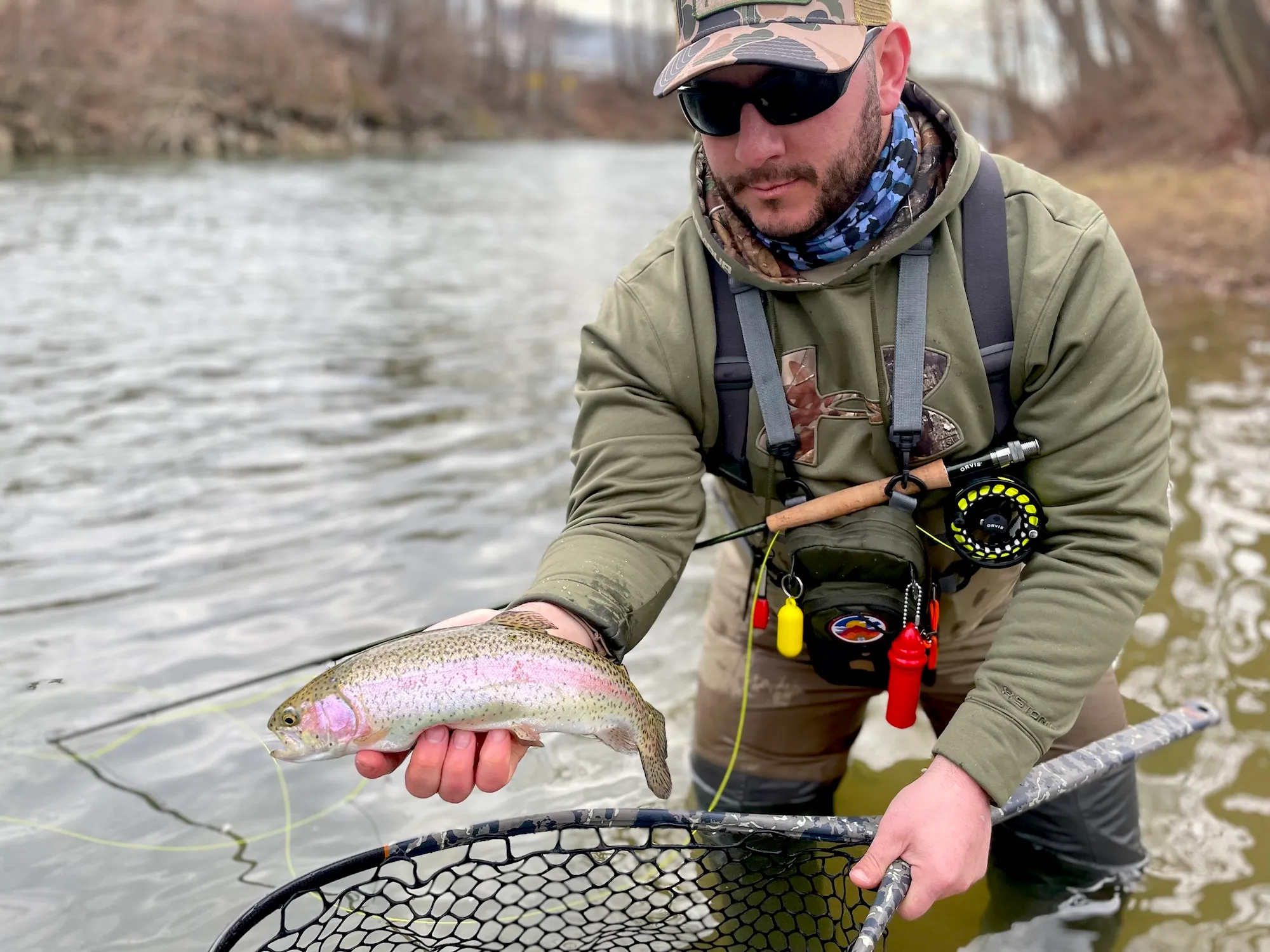
Fly fishing is a rewarding and peaceful sport, but it requires attention to detail, especially when it comes to your gear. One of the most crucial components of your setup is the Fly Fishing Line. Proper maintenance of your line can dramatically improve your casting performance, extend its lifespan, and ensure you have an enjoyable experience on the water. Neglecting this essential piece of equipment can lead to poor line management, reduced casting distance, and missed fish opportunities. In this guide, we will explore practical tips and techniques to keep your fly fishing line in top shape.
Why Fly Fishing Line Maintenance Matters
Maintaining your fly fishing line is not just about aesthetics—it directly impacts your fishing performance. Dirt, grime, UV rays, and water exposure can cause your line to lose its smoothness and flexibility over time. A line that isn’t properly maintained can result in poor casting accuracy, line memory issues, and decreased sensitivity. Regular maintenance keeps your Fly Fishing Line supple and responsive, allowing you to make precise casts and enjoy the sport to its fullest.
Cleaning Your Fly Fishing Line
Cleaning is the first and most important step in fly fishing line maintenance. Begin by removing the line from your reel and laying it out straight. Use a soft cloth or sponge and a mild line cleaner or even warm water with a bit of dish soap to gently wipe down the line. Avoid harsh chemicals, as they can damage the coating. Make sure to clean the entire length of the Fly Fishing Line, including both the running line and the leader section. Regular cleaning prevents dirt buildup and keeps the line gliding smoothly through the guides.
Drying and Storing Your Fly Fishing Line
After cleaning, it’s essential to dry your line thoroughly. Water left on the line can cause mildew or mold, particularly in humid conditions. Lay the line flat or hang it loosely to air dry. Once dry, store your Fly Fishing Line in a cool, dry place, away from direct sunlight. UV exposure can weaken the line’s material over time, reducing its strength and lifespan. Proper storage is just as important as cleaning to ensure your line remains in optimal condition for your next fishing trip.
Inspecting for Damage and Wear
Even with regular cleaning, your fly fishing line can develop signs of wear. Inspect your Fly Fishing Line frequently for nicks, abrasions, or cracks. Pay special attention to areas near the loop or leader connection points. Damaged lines can break under pressure, potentially losing a catch or damaging your rod. Replace sections of the line as needed, and always check before long fishing trips to prevent any unexpected issues on the water.
Applying Line Dressing or Conditioner
To enhance the performance of your Fly Fishing Line, consider applying a line dressing or conditioner. These products help restore the line’s slickness, allowing it to flow more smoothly through the rod guides. Apply the conditioner evenly along the line, following the product’s instructions. This step is especially beneficial for floating lines, which need to maintain buoyancy and glide effortlessly during casts. Regular conditioning ensures your line performs consistently and prolongs its lifespan.
Handling and Casting Tips to Reduce Wear
How you handle your Fly Fishing Line also affects its longevity. Avoid dragging the line over rough surfaces or sharp rocks, as this can cause abrasions. Use a proper casting technique and avoid sudden tugs or jerks that may stress the line. When storing the line on the reel, make sure it is coiled neatly to prevent twists and tangles. By handling your line with care, you reduce wear and maintain optimal performance on the water.
Seasonal Maintenance Tips
Fly fishing lines can be affected by seasonal changes. Cold weather can stiffen your line, while heat can make it more pliable. During winter storage, make sure your Fly Fishing Line is clean, dry, and coiled loosely to prevent memory issues. In the summer, avoid leaving your line in hot cars or exposed to direct sunlight. Adjusting your maintenance routine based on the season ensures your line stays in top condition year-round.
Replacing Your Fly Fishing Line
Even with the best maintenance practices, every fly fishing line has a finite lifespan. Depending on usage, environmental exposure, and type of fishing, lines may need replacement every 1–3 years. Monitor your line’s performance, and if you notice decreased casting distance, persistent tangles, or stiffness, it may be time for a new Fly Fishing Line. Choosing a high-quality replacement ensures you continue to enjoy smooth and efficient casting.
Conclusion
Proper care of your Fly Fishing Line is essential for a successful and enjoyable fly fishing experience. From cleaning and drying to conditioning and careful handling, these maintenance practices help extend the life of your line and improve performance on the water. By taking the time to maintain your line, you ensure that every cast is smooth, accurate, and enjoyable. Remember, a well-maintained Fly Fishing Line is the foundation of great fly fishing. Treat your line right, and it will reward you with countless successful fishing adventures.