
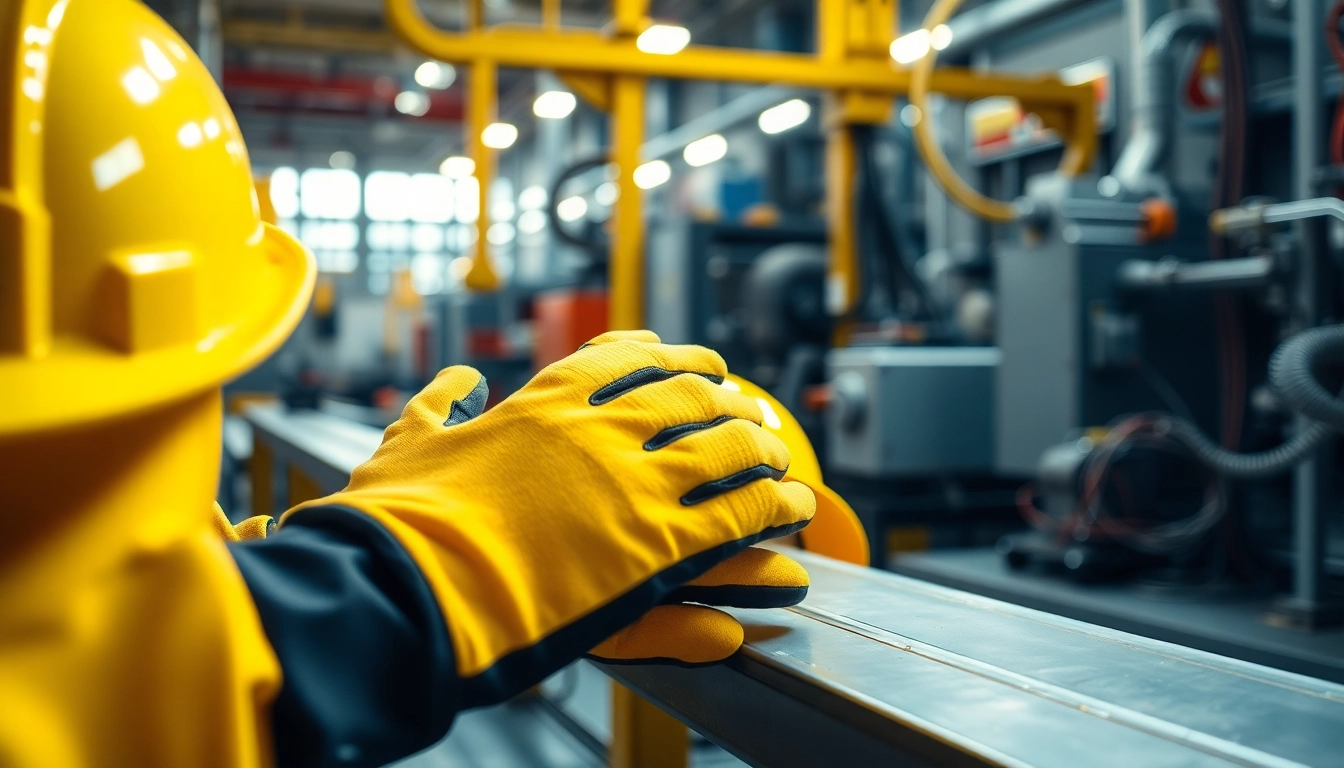
Understanding the Concept of Physical Hazard
Definition and Importance of Physical Hazard
A physical hazard refers to workplace agents, factors, or circumstances that can result in injury or damage due to the transfer of energy from one entity to another. This encompasses a range of situations that can lead to bodily harm, including mechanical accidents, electrical shocks, and exposure to extreme temperatures. Recognizing the importance of these hazards is crucial, as they play a significant role in workplace safety and health management. Understanding physical hazards allows organizations to implement effective safety measures, enhance employee awareness, and promote a culture of safety that protects workers from potential harm.
Types of Physical Hazards
Physical hazards can be classified into several types, each with its own characteristics and risks. The main types include:
- Mechanical Hazards: These involve moving parts of machinery or equipment that can result in crushing or cutting injuries.
- Electrical Hazards: These hazardous situations arise from the use of electrical equipment without proper safeguards, leading to shocks or fires.
- Thermal Hazards: Exposure to extreme heat or cold can lead to burns or hypothermia.
- Radiation Hazards: These hazards come from exposure to harmful radiation sources, including ionizing and non-ionizing radiation.
Key Differences Between Physical and Other Hazards
Understanding the distinction between physical hazards and other types of workplace hazards is essential. While physical hazards involve tangible agents that can cause immediate harm, such as machinery and electrical risks, other types of hazards, such as chemical or biological hazards, involve substances that can lead to health complications over time. Unlike ergonomic hazards, which pertain to workplace design and employee posture, physical hazards typically involve direct, acute injuries that require immediate attention and intervention.
Common Examples of Physical Hazards
Mechanical Hazards in Various Industries
Mechanical hazards are prevalent across multiple sectors, including manufacturing, construction, and agriculture. Common examples include:
- Moving equipment: Forklifts, conveyor belts, and rotating machinery can cause injuries like fractures, lacerations, or amputations if proper safety protocols are not adhered to.
- Hand tools: Improper use or maintenance of tools like saws and drills can lead to accidents.
- Overhead loads: Falling objects from high levels can lead to severe injuries, necessitating the use of protective gear and safety measures, such as hard hats.
Electrical Hazards in Work Environments
Electrical hazards are particularly dangerous due to their potential to cause fatal injuries. These risks often arise from:
- Exposed wiring: Old or damaged wiring can lead to electric shocks and fires.
- Inadequate grounding: Equipment that is not properly grounded poses a serious shock risk to workers.
- Overloaded circuits: Surpassing the rated capacity of a circuit can result in overheating and fires.
Environmental Physical Hazards
Environmental factors can also pose significant physical hazards to workers. These include:
- Noise: Excessive exposure to noise can lead to hearing loss, with certain industries like construction being particularly at risk.
- Vibration: Prolonged use of vibrating equipment can result in conditions such as Hand-Arm Vibration Syndrome (HAVS).
- Extreme temperatures: Working in high or low temperatures can result in heat stress or frostbite.
Assessing Risks Related to Physical Hazard
Identifying Potential Risks
The first step in managing physical hazards is identifying potential risks in the workplace. This process can be conducted through:
- Inspections: Regularly inspecting the work environment helps recognize hazards before they lead to incidents.
- Employee input: Engaging workers in discussions about their experiences can reveal overlooked risks.
- Job hazard analysis (JHA): Evaluating tasks and their associated risks makes it easier to mitigate those hazards effectively.
Risk Assessment Techniques
Implementing various techniques can help effectively assess risks associated with physical hazards. Some widely used methods include:
- Qualitative assessment: This method involves using expert opinions, checklists, and hazard statements to identify and evaluate risks.
- Quantitative assessment: Involves data collection and analysis to ascertain risk levels, using metrics such as incident rates and severity levels.
- Risk matrices: Utilizing matrices allows organizations to categorize and prioritize risks based on their likelihood and impact.
Tools for Evaluation and Prevention
Employing specialized tools and technologies can enhance hazard evaluation and prevention efforts:
- Safety software: Tools for tracking incidents and monitoring compliance can streamline safety management.
- Personal protective equipment (PPE): Using appropriate PPE is essential to protect workers from identified physical hazards.
- Automation: Implementing automated systems can mitigate risks associated with manual handling and reduce human error.
Best Practices for Managing Physical Hazards
Implementing Safety Protocols
Establishing and enforcing safety protocols is critical for managing physical hazards effectively. Best practices include:
- Developing safety policies: Create comprehensive safety policies and ensure all employees are familiar with and comply with them.
- Conducting regular training: Offer continuous safety training sessions to keep employees aware of risks and best practices.
- Using signage: Clearly display signage related to hazards and safety measures in the workplace to enhance awareness.
Training and Awareness Programs
Empowering employees through training and awareness programs is essential. Effective strategies include:
- Induction training: All new employees should complete safety induction training before commencing work.
- Refresher training: Conduct periodic reviews and training updates to ensure ongoing awareness of workplace hazards.
- Interactive programs: Use engaging methods such as simulations and hands-on activities to increase participant involvement.
Regular Maintenance and Monitoring
To manage physical hazards effectively, regular maintenance and monitoring of equipment and environments is crucial. This includes:
- Scheduled inspections: Routine checks ensure machinery and equipment are in proper working condition and free of hazards.
- Maintenance logs: Keeping detailed records of maintenance activities helps identify patterns or recurring issues that need addressing.
- Environmental monitoring: Monitoring factors such as noise levels, air quality, and temperature can help prevent exposure to hazardous conditions.
Legal Framework Surrounding Physical Hazard Safety
Occupational Safety and Health Standards
Understanding the legal framework surrounding physical hazard safety is vital for compliance. Major organizations such as the Occupational Safety and Health Administration (OSHA) provide guidelines that establish:
- Minimum safety requirements: OSHA outlines standards for various workplace environments to ensure employee protection.
- Employers’ responsibilities: Organizations must provide a safe work environment and train staff about potential hazards.
- Reporting incidents: Employers are required to report specific workplace incidents to OSHA and take corrective actions.
Implications of Non-Compliance
Failure to comply with safety regulations can lead to serious implications for organizations, including:
- Legal consequences: Fines, penalties, and potential lawsuits can occur due to negligent safety practices.
- Increased accidents: A lack of compliance often results in a higher ratio of workplace incidents and injuries.
- Reputational damage: Safety violations can tarnish an organization’s reputation, leading to loss of business opportunities.
Resources for Employers and Employees
Several resources are available to assist employers and employees in managing physical hazards:
- OSHA resources: OSHA provides extensive materials, including guides and toolkits, to promote workplace safety.
- Industry associations: Many industry-specific organizations offer resources and training programs focused on safety best practices.
- Safety consultancies: Hiring professional safety consultants can provide tailored solutions and recommendations for hazard management.
Frequently Asked Questions (FAQs)
What is the definition of a physical hazard?
A physical hazard is an agent, factor, or circumstance that can cause injury through contact and can be found in various workplace conditions.
What are the 4 types of physical hazards?
The four main types of physical hazards include mechanical hazards, electrical hazards, thermal hazards, and radiation hazards.
What are common examples of physical hazards in the workplace?
Common examples include slips, trips, falls, machinery with moving parts, electrical wiring, and exposure to extreme temperatures.
How can physical hazards be prevented?
Preventing physical hazards involves implementing safety protocols, conducting regular training, utilizing PPE, and performing maintenance checks.
Why is employee training important in managing physical hazards?
Employee training increases awareness of potential hazards, promotes safe practices, and ultimately reduces the likelihood of accidents occurring.