
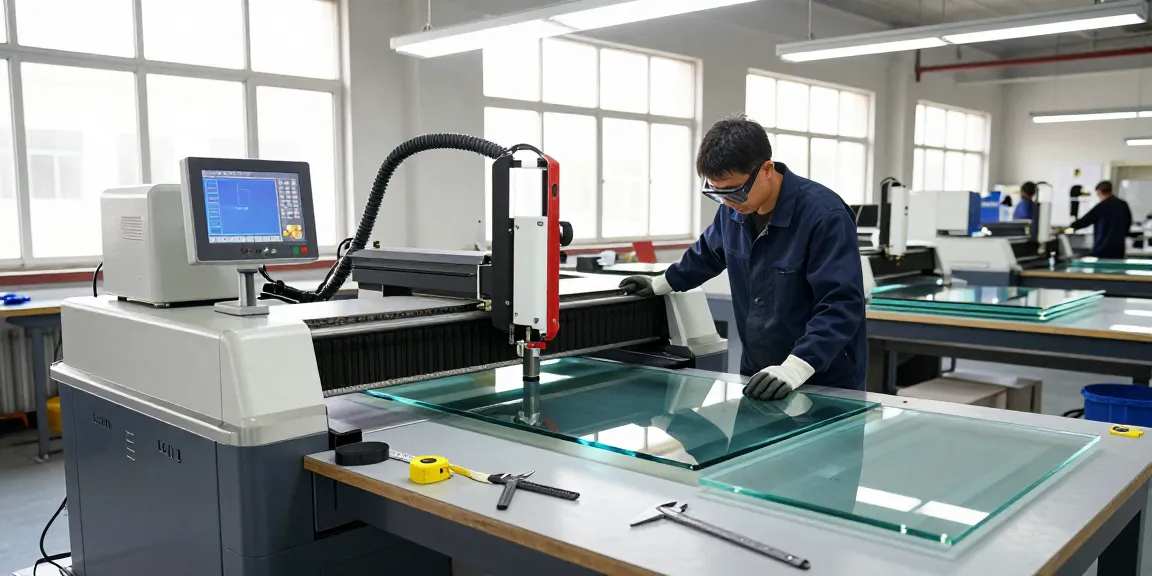
Understanding the Glass Cutting Machine
The glass industry has seen significant advancements over the years, with technology revolutionizing traditional glass processing methods. One of the key innovations in this field is the glass cutting machine, a vital tool for manufacturers that seek efficiency and precision in their operations. These machines are designed to cut various types of glass, enhancing production capabilities while maintaining safety and quality standards. When exploring options, glass cutting machine solutions are at the forefront, providing manufacturers with robust, reliable equipment for their glass processing needs.
What is a Glass Cutting Machine?
A glass cutting machine is a device used to score and cut glass sheets into desired shapes and sizes. These machines can vary in complexity, ranging from simple handheld cutters to sophisticated CNC (Computer Numerical Control) systems that allow for intricate designs and high-volume production. Key components of a typical glass cutting machine include a scoring wheel, a cutting bed, and a mechanism for handling and moving the glass. Their design enables accurate cuts, minimizing waste and downtime in production processes.
How Glass Cutting Machines Work
The primary function of glass cutting machines is to score the glass surface to create a controlled break line. The cutting process usually starts with the glass sheet being placed on a flat surface. The scoring wheel then rolls across the glass, applying the right amount of pressure to create a shallow cut without breaking the glass. After scoring, the glass is carefully snapped along this line, resulting in clean cuts. Advanced versions of these machines may also include automated features, such as loading and unloading systems, adding convenience and efficiency to the production line.
Types of Glass Cutting Machines Available
- CNC Glass Cutting Machines: These automated systems offer precise control and repeatability, making them ideal for large-scale production.
- Semi-Automatic Glass Cutting Machines: A balance between manual and automated systems, offering ease of use while still requiring operator input.
- Handheld Glass Cutters: Perfect for small jobs and repairs, these manual tools are designed for portability and simplicity.
- Specialized Cutting Machines: Such as those designed specifically for laminated or insulated glass, which have unique processing requirements.
Benefits of Using Glass Cutting Machines
Precision and Efficiency in Glass Cutting
The use of glass cutting machines significantly enhances precision in the cutting process. Traditional cutting methods often lead to inaccuracies and wastage, but with the integration of modern technology, machines can deliver high levels of accuracy. This precision translates to reduced material waste, lower production costs, and the ability to produce complex patterns and designs that would be challenging to achieve manually.
Cost-Effectiveness in Production
Investing in a glass cutting machine is a cost-effective solution for manufacturers. While the initial investment may be significant, the long-term savings attributed to reduced labor costs, minimized material waste, and increased production speed make these machines an attractive option for glass processing facilities. Furthermore, the durability and reliability of automated systems often result in lower maintenance costs over time.
Enhancing Safety in Glass Processing
Glass processing can be hazardous, with risks of injury from sharp edges and manual handling. Glass cutting machines, especially those with automated functions, significantly reduce these risks. Operators are less exposed to direct contact with sharp materials, and advanced safety features help prevent accidents during operation. Moreover, the controlled environment of a machine reduces the chances of handling errors that can lead to injuries.
Choosing the Right Glass Cutting Machine
Key Features to Consider
When selecting a glass cutting machine, several features should be evaluated to ensure it meets production needs:
- Cutting Speed: Machines with faster cutting speeds can enhance productivity and meet tighter deadlines.
- Glass Thickness Capability: Ensure the machine can handle the specific thicknesses of glass required by your projects.
- Automated Features: Look for machines with automated loading and unloading capabilities to reduce manual labor.
- Software Integration: Advanced machines may offer software that enhances design and production workflow.
Common Mistakes to Avoid When Selecting Equipment
Choosing the wrong glass cutting machine can lead to inefficiencies and increased costs. Common mistakes include:
- Focusing solely on the price instead of overall value.
- Neglecting to assess the machine’s compatibility with the current production workflow.
- Overlooking support and maintenance options available from the manufacturer.
Top Brands and Models in 2026
As the glass cutting industry evolves, several brands have emerged as leaders due to their innovation and reliability. In 2026, look for standout models from companies such as:
- Zhengke Automation: Renowned for their comprehensive solutions and exceptional after-sales service.
- CMS Glass Machinery: Known for high-quality and precision-engineered machines.
- Perfect Laser: Offers a range of automated systems tailored to various glass processing needs.
Best Practices for Operating Glass Cutting Machines
Safety Guidelines for Operators
Safety should always be a priority when operating glass cutting machines. Operators should follow these guidelines:
- Always wear appropriate Personal Protective Equipment (PPE), including safety glasses and gloves.
- Ensure the work area is clear of obstacles and distractions.
- Understand the machine’s operation manual and safety features before use.
Maintenance Tips for Longevity
Regular maintenance of glass cutting machines is essential to ensure optimal performance:
- Conduct routine inspections and cleanings to prevent buildup and wear.
- Keep the cutting wheels sharp and replace them when necessary.
- Follow the manufacturer’s recommended maintenance schedule to prolong the machine’s lifespan.
Maximizing Efficiency During Operations
To enhance the efficiency of glass cutting machines, operators can implement several strategies:
- Optimize the layout of the workspace for better workflow.
- Utilize software tools for scheduling and production tracking.
- Train operators in advanced techniques to maximize machine capabilities.
Future Trends in Glass Cutting Technology
Innovations to Expect in 2026 and Beyond
The glass processing industry is continually evolving, with new technologies emerging to enhance productivity and efficiency. Innovations expected in 2026 include:
- Smart Systems: Integration of IoT (Internet of Things) technology for real-time monitoring and analytics.
- Advanced Robotics: More sophisticated robotic systems for automated handling of glass sheets.
- Energy-Efficient Models: Machines designed to reduce energy consumption without compromising performance.
The Rise of Automation in Glass Cutting
Automation is becoming a key trend in glass cutting, with many manufacturers opting for fully automated systems to streamline their processes. These systems enhance production speed, reduce reliance on manual labor, and ensure consistent outcomes across various glass types and designs.
Impact of AI and Smart Technology on Glass Processing
The incorporation of artificial intelligence (AI) in glass cutting machinery is set to revolutionize the industry. AI systems can analyze production data to optimize cutting patterns, predict maintenance needs, and adapt to changes in production demands. This shift toward intelligent manufacturing processes will likely increase efficiency and drive down costs for glass processors.
How to Stay Ahead in the Glass Industry?
To maintain a competitive edge in the glass processing industry, businesses should focus on innovation and adaptation. Emphasizing R&D, staying updated on technological advancements, and investing in employee training will be crucial for success in an evolving market.
FAQs about Glass Cutting Machines
What is the lifespan of a glass cutting machine?
The lifespan of a glass cutting machine can vary widely based on usage, maintenance, and manufacturer quality. Generally, with proper care, these machines can last 10-15 years or longer.
Can glass cutting machines handle different glass types?
Yes, many modern glass cutting machines are versatile enough to handle various glass types, including tempered, laminated, and insulated glass, depending on their specifications and features.
How do I maintain my glass cutting machine?
Regular maintenance includes cleaning, replacing worn parts, and ensuring all mechanical components are lubricated and functioning correctly. Following the manufacturer’s guidelines is crucial.
What safety equipment is recommended for glass cutting?
Recommended safety equipment includes safety glasses to protect the eyes, cut-resistant gloves, and protective footwear to prevent injuries from sharp glass edges.
Are CNC glass cutting machines worth the investment?
Yes, while the initial cost may be higher, CNC glass cutting machines provide significant long-term benefits, including improved precision, speed, and reduced labor costs, making them a worthwhile investment for many manufacturers.