
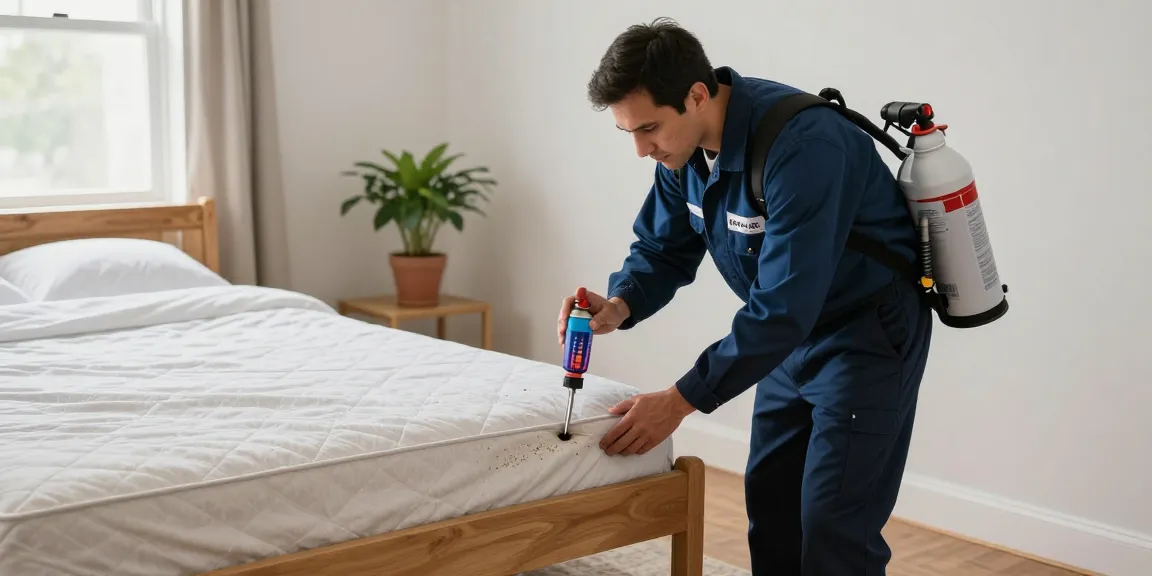
Understanding Bed Bug Exterminators
In today’s world, the presence of bed bugs is a growing concern for homeowners and renters alike. These elusive pests, known for their nighttime activities and blood-sucking habits, can cause discomfort and significant stress. Engaging a professional bed bug exterminator can be crucial for effective elimination and peace of mind. This article delves into the role of bed bug exterminators, the myths surrounding bed bug treatments, effective treatment options, preparation steps, and long-term prevention strategies.
What is a Bed Bug Exterminator?
A bed bug exterminator is a pest control professional who specializes in identifying, treating, and removing bed bugs from residential and commercial properties. These specialists use a combination of inspection techniques, treatment methods, and follow-up measures to ensure that infestations are thoroughly eradicated. Equipped with expertise on bed bug behaviors and biology, exterminators can effectively address infestations at all life stages, including eggs, juveniles, and adults, ensuring comprehensive solutions.
How Bed Bug Exterminators Operate
Bed bug exterminators follow a systematic approach to deal with infestations. The process typically begins with a thorough inspection to identify the extent of the infestation and potential hiding spots. This inspection can include checking mattresses, furniture, floor crevices, and even wall sockets. Once the assessment is complete, exterminators will recommend appropriate treatment options, which may include heat treatments, chemical sprays, or a combination of both. The choice of method often depends on the severity of the infestation and the preferences of the client.
The Importance of Professional Treatments
While DIY methods may seem appealing, professional bed bug treatments are essential for effectively eliminating infestations. Many store-bought solutions only provide temporary relief, failing to address the root of the problem. Professional exterminators have access to commercial-grade insecticides and advanced techniques that ensure a complete eradication of bed bugs, reducing the chances of re-infestation. Moreover, they are trained to perform treatments safely, minimizing health risks to occupants and pets.
Common Bed Bug Myths
Understanding bed bugs is crucial to effectively managing an infestation. Many misconceptions can lead to ineffective strategies, prolonging the problem and increasing costs. Here we debunk some common myths about bed bugs and their extermination.
Dispelling DIY Treatment Misconceptions
A prevalent myth is that household products or DIY treatments are sufficient to eliminate bed bugs. While some may kill individual bugs, they often fail to reach all hiding spots or address the entire population, especially eggs. Bed bugs are known for their resilience and can survive months without feeding, making professional intervention necessary for complete eradication.
Understanding Bed Bug Behavior
Bed bugs are excellent hitchhikers, easily traveling between homes in luggage, clothing, and furniture. They are primarily nocturnal, feeding on human blood while their hosts are asleep. One of the challenges in managing bed bug infestations is their ability to adapt quickly to their environment and avoid detection. Awareness of their behavior is crucial for prevention and control efforts.
Why Ignoring Bed Bugs Can be Costly
Ignoring the signs of a bed bug infestation can lead to a more severe problem down the line, resulting in higher treatment costs and potential damage to personal belongings. The longer bed bugs remain untreated in your home, the more they reproduce, compounding the issue and requiring more extensive intervention from professionals.
Effective Treatment Options Available
When it comes to bed bug treatment, there are several effective options available. Each method has its advantages and is suited for different situations. Understanding these methods can help you make an informed decision in collaboration with your exterminator.
Exploring Heat Treatment Methods
Heat treatment is an increasingly popular method for eliminating bed bugs. This process involves raising the temperature of infested areas to a point that is lethal for bed bugs, typically above 120°F (49°C). Heat treatments are effective against all life stages of bed bugs, including eggs, and have the added benefit of being eco-friendly, as no chemicals are used. This method is particularly useful for families with allergies or sensitivities to chemicals.
Advantages of Chemical Treatments
Chemical treatments remain a staple in bed bug extermination due to their ability to provide residual protection against future infestations. Professional exterminators use commercial-grade insecticides that are more effective than over-the-counter options. These treatments can create a barrier that continues to eliminate bed bugs long after the initial application, typically lasting up to 120 days with proper application.
Why Combination Treatments Work Best
Combining heat and chemical treatments can yield the best results for severe infestations. Each method addresses different aspects of the bed bug lifecycle, ensuring that both immediate and long-term control measures are in place. This integrated approach also minimizes the chances of re-infestation, as it addresses all possible hiding spots and all life stages of the pests.
Preparing for Bed Bug Treatment
Preparation is key to the effectiveness of any bed bug treatment. Understanding what steps to take before the exterminator arrives can make the process smoother and more effective.
Steps to Take Before an Exterminator Arrives
Prior to treatment, it’s essential to declutter the affected area. Remove any items that may obstruct the exterminator’s access to infested areas. Washing and drying bedding and clothing on high heat can kill bed bugs and their eggs, while vacuuming can help reduce their numbers before treatment. It’s crucial to follow any specific instructions given by your exterminator to ensure a successful outcome.
What to Expect During Treatment
During the treatment, the exterminator will apply the chosen method systematically throughout your home. Heat treatments may require you to leave the premises for several hours, while chemical treatments may involve the use of sprays or dusts in various cracks and crevices. The exterminator will provide details on what to expect, including potential odors and safety precautions.
Post-Treatment Precautions and Follow-Ups
After treatment, it’s important to follow the exterminator’s recommendations for monitoring and maintaining a bed bug-free environment. This may include regular inspections and possibly a follow-up treatment to ensure the pests have been completely eliminated. It’s also essential to avoid bringing in any used furniture or clothing until you are sure your home is clear of bed bugs.
Long-Term Effects and Prevention Strategies
Preventing future infestations is as essential as treating existing ones. Implementing effective strategies can help keep your home bed bug-free long after the initial treatment.
Monitoring for Reinfestation
Regular monitoring for signs of reinfestation is crucial in maintaining a bed bug-free environment. Look for common indicators such as bites on your skin, small blood spots on bedding, or dark stains from fecal matter. Early detection can lead to timely intervention, preventing a full-blown infestation.
Best Practices for Keeping Your Home Bed Bug-Free
- Regularly inspect second-hand furniture and clothing before bringing them into your home.
- Utilize protective covers on mattresses and box springs to deter bed bugs.
- Maintain a clutter-free environment to reduce hiding places for pests.
- Travel carefully, inspecting hotel rooms and placing luggage on metal racks instead of the floor.
Future Trends in Pest Control for 2026
The pest control industry is evolving, with new technologies and methods being developed to combat bed bugs more effectively. Innovations such as smart traps and detection devices are making it easier for exterminators to identify and treat infestations quickly. Furthermore, green pest control methods are gaining popularity, appealing to environmentally conscious consumers.
What Should You Look for When Choosing an Exterminator?
When selecting a bed bug exterminator, consider factors such as their experience, treatments offered, customer reviews, and certifications. A reputable exterminator should provide detailed information about their methods and promote transparency regarding the expected outcomes and safety precautions.
Why Client Testimonials Matter in Choosing a Service
Client testimonials are invaluable in assessing the effectiveness of a pest control service. Reviews can provide insights into the exterminator’s professionalism, effectiveness, and the satisfaction of previous clients. Look for companies with consistently positive feedback to ensure that you are making the best choice for your home.
How to Spot Bed Bugs Early
Early detection of bed bugs can significantly reduce the cost and hassle of extermination. Familiarize yourself with common signs: small red or itchy bites, dark spots on linens, and a sweet, musty odor. Conduct regular inspections of your sleeping areas and furniture, and don’t hesitate to contact a professional if you suspect an infestation.