The Role of Steel Fabrication Shops in Industry
Steel fabrication shops are critical players in various sectors, including construction, manufacturing, and engineering. They transform raw steel into valuable products that form the backbone of infrastructure and machinery. A steel fabrication shop not only fabricates steel but also plays a pivotal role in meeting the growing demand for customized metal solutions essential for today’s industrial applications.
Understanding Steel Fabrication
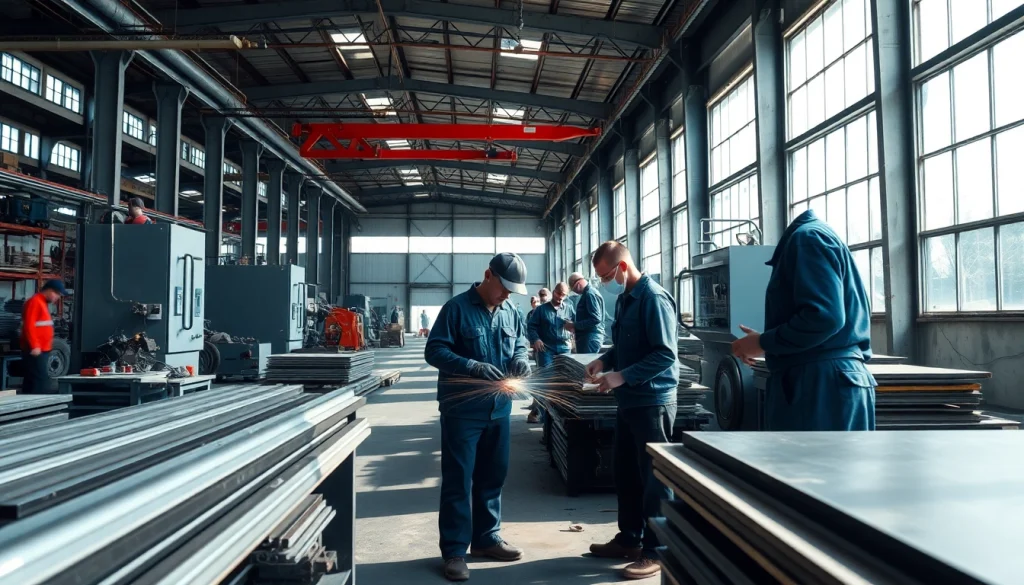
Steel fabrication is the process of converting raw steel into finished products through a series of operations, which may include cutting, bending, welding, and assembling. This process requires a combination of technical skills and machinery to create products ranging from structural beams to intricately designed components for machinery. The essence of steel fabrication lies in the accuracy and quality of the fabricated products, which can have significant implications for the overall success of projects that rely on these materials.
Applications of Fabricated Steel
Fabricated steel is used in a wide array of applications, reflecting the versatility and strength of steel as a material. Some common applications include:
- Construction: Steel beams and frames are essential for the structural integrity of buildings and bridges.
- Manufacturing: Machine parts and components often rely on fabricated steel for durability and precision.
- Automotive: Fabricated steel is crucial in the production of vehicles, where strength and weight are critical factors.
- Aerospace: Lightweight, high-strength steel components help ensure safety and performance.
- Consumer Products: Items such as appliances and furniture often utilize fabricated steel to enhance durability.
Importance of Quality Assurance
Quality assurance in steel fabrication is paramount to ensure that the final products meet safety and performance standards. Strict adherence to industry standards and regulations is crucial, as defective components can lead to severe consequences, including structural failures. Fabrication shops often implement rigorous testing processes, such as:
- Material Inspection: Ensuring the quality of incoming steel materials through chemical and physical testing.
- Dimensional Checks: Regular inspection of dimensions and tolerances throughout the fabrication process to ensure accuracy.
- Welding Inspections: Testing welds for integrity through methods such as X-ray or ultrasonic testing.
Key Processes in a Steel Fabrication Shop
The processes implemented in a steel fabrication shop can significantly influence the quality and efficiency of the fabricated products. Understanding these processes is essential for anyone looking to engage with a fabrication service.
Cutting Techniques in Steel Fabrication
Cutting is often the first step in metal fabrication, and several methods can be applied, including:
- Oxy-Fuel Cutting: A widely used method that involves burning steel with a high-temperature flame, suitable for thick materials.
- Plasma Cutting: Utilizes a high-velocity jet of ionized gas to cut through metal, effective for various thicknesses.
- Laser Cutting: Offers precision and is capable of intricate designs, making it ideal for complex parts.
Welding Methods Explained
Welding joins materials, typically metals or thermoplastics, by melting the workpieces and adding a filler material. Various welding methods include:
- MIG (Metal Inert Gas) Welding: A common method for its ease of use and versatility, suitable for welding thin and thick materials.
- TIG (Tungsten Inert Gas) Welding: Offers high-quality welds and is used for welding thin sections of stainless steel and non-ferrous metals.
- Stick Welding: A traditional method known for its robustness, particularly in outdoor and adverse conditions.
Finishing and Coating Options
After fabrication, steel products often undergo finishing processes to improve aesthetics and protect against corrosion. Common techniques include:
- Powder Coating: A dry finishing process that provides a durable, protective layer.
- Galvanizing: Involves coating steel with zinc to prevent rust, especially for outdoor applications.
- Painting: A straightforward method to enhance appearance while providing some level of corrosion resistance.
Selecting a Steel Fabrication Shop
When looking for a steel fabrication shop, several factors must be considered to ensure that the shop can meet your project’s specific requirements.
Factors to Consider for Quality
Quality is paramount in fabrication; thus, evaluating the following factors is crucial:
- Certifications: Verify if the shop meets industry standards, such as ISO and AWS certifications.
- Experience: Look for shops that have experience with similar projects and industries.
- Technology: Advanced machinery and software can enhance precision and efficiency in fabrication.
Comparing Services Offered
Different shops offer varying services; thus, it’s essential to compare service lists to ensure that your project can be adequately handled. Consider whether the shop provides:
- Design Services: Shops that have in-house design capabilities can lead to streamlined communication and implementation.
- Comprehensive Solutions: Some shops offer a one-stop solution that includes everything from material sourcing to final assembly.
- Delivery Services: Timely delivery can be pivotal in keeping your project on schedule.
Evaluating Customer Reviews
Past client experiences can provide insight into the shop’s reliability and quality of work. Checking online reviews and testimonials can help gauge customer satisfaction. Look for patterns in reviews regarding:
- Timeliness: Did the shop meet deadlines as promised?
- Communication: Was the shop responsive and approachable throughout the project?
- Quality of Work: Did the final products meet expectations in terms of durability and design?
Cost Considerations in Steel Fabrication
Understanding the costs associated with steel fabrication is essential for budgeting effectively while ensuring quality.
Average Pricing for Services
The average cost of services in steel fabrication can vary widely based on multiple factors, including:
- Type of Service: Cutting, welding, and finishing have different cost structures.
- Material Costs: The price of raw materials can fluctuate based on market conditions.
- Shop Size: Larger shops may have more machinery and labor, influencing pricing.
Cost Factors in Steel Fabrication
Several specific factors can impact the cost of your project, including:
- Project Complexity: More intricate designs typically require more time and skill to fabricate.
- Volume of Work: Larger orders may lead to bulk pricing discounts.
- Tight Deadlines: Rushed projects may incur additional fees due to prioritized scheduling.
Budgeting for Your Project
Proper budgeting involves careful consideration of all these costs to avoid surprises. Steps include:
- Requesting Quotes: Obtain detailed quotes from multiple shops to compare pricing fairly.
- Contingency Planning: Set aside an additional budget for unforeseen expenses.
- Tracking Costs: Monitor expenses throughout the project to stay within budget.
Future Trends in Steel Fabrication
The steel fabrication industry is evolving rapidly, influenced by technological advancements and changing market dynamics.
Innovations in Technology
Technology is reshaping steel fabrication, with notable trends including:
- CNC Machining: The integration of computer numerically controlled machines enhances precision and efficiency.
- 3D Printing: Expands possibilities for creating complex shapes and prototypes with lower material waste.
- Advanced Software: Design software offers enhanced visualization and planning capabilities, improving workflow.
Sustainability Practices
The demand for sustainable practices is rising across industries. Steel fabrication shops are adapting by:
- Using Recycled Materials: Incorporating recycled steel reduces environmental impact.
- Implementing Lean Manufacturing: Streamlining processes minimizes waste and improves efficiency.
- Investing in Energy Efficiency: Upgrading equipment to reduce energy consumption can substantially lower operational costs.
The Role of Automation
Automation in steel fabrication is increasing productivity and reducing costs. This can include:
- Process Automation: Automated cutting and welding processes minimize human error and speed up production.
- Supply Chain Automation: Streamlining supply chain logistics enhances efficiency in material sourcing and delivery.
- Real-time Monitoring: Utilizing sensors and IoT technologies allows for better tracking of production processes.
Frequently Asked Questions
What is a steel fabrication shop?
A steel fabrication shop specializes in creating steel products and components through cutting, welding, and assembling processes, serving various industries.
How long does the steel fabrication process take?
The duration can vary based on project complexity and size, ranging from a few days to several weeks for more extensive projects.
What materials can be fabricated in a steel shop?
Common materials include mild steel, stainless steel, aluminum, and specialty alloys, catering to different project requirements.
What are the common uses for fabricated steel?
Fabricated steel is widely used in construction, manufacturing, automotive, and consumer products, providing structural integrity.
How can I choose the right steel fabrication shop?
Consider factors like experience, quality certifications, services offered, and customer reviews to select a suitable shop for your needs.