
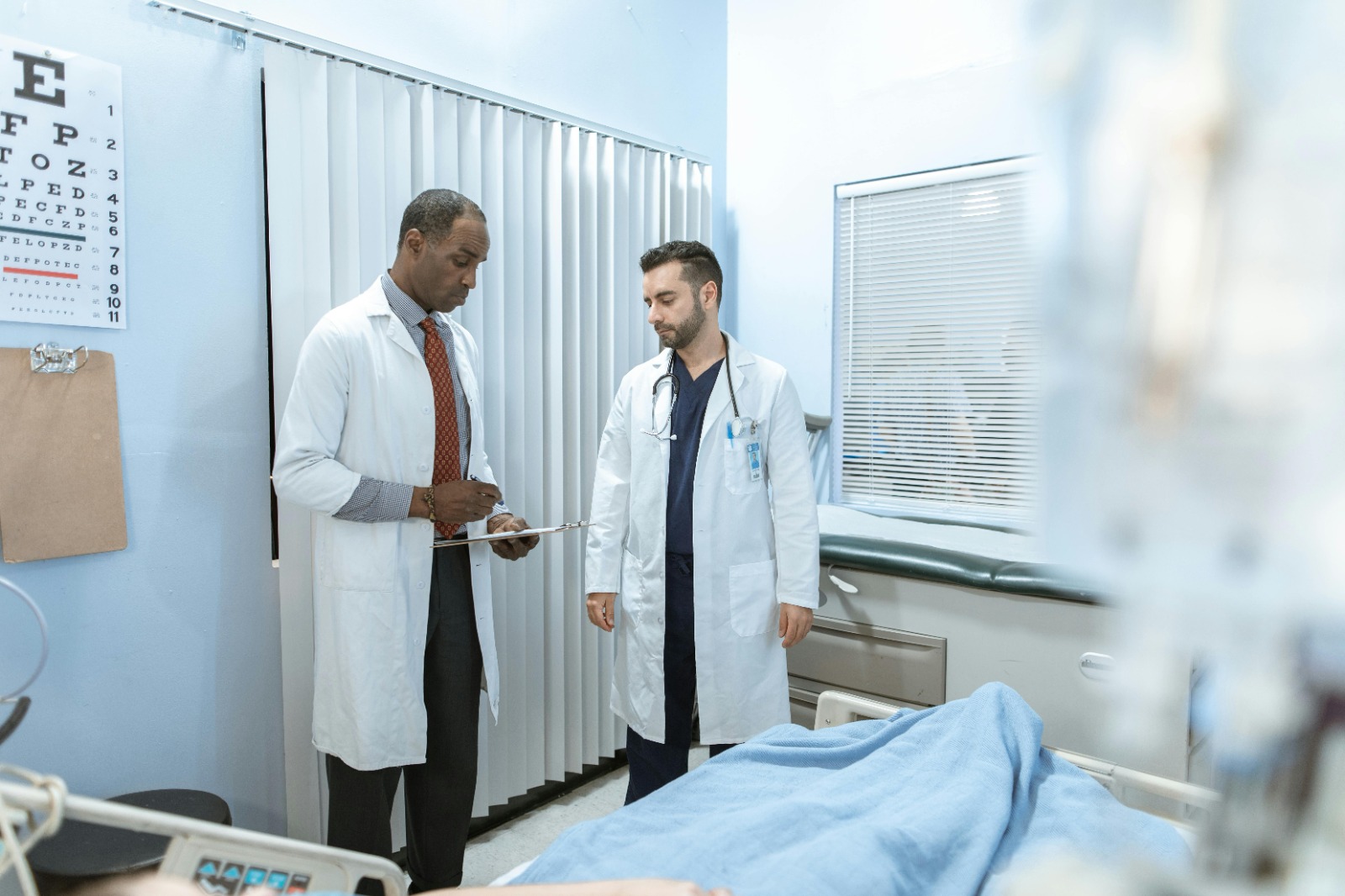
Are you a teen passionate about healthcare and looking for ways to gain meaningful experience? High school volunteering is a fantastic way to explore the medical field, develop essential skills, and make a real difference in your community. Volunteering not only strengthens your college applications but also provides firsthand insight into healthcare careers. From hospitals to community outreach, there are numerous opportunities for high school students to immerse themselves in the world of medicine while giving back.
Hospital and Clinical Volunteering
One of the most traditional and impactful ways for teens to engage in high school volunteering is by assisting in hospitals or clinics. Many hospitals offer teen volunteer programs where students can help with administrative tasks, greet patients, or provide comfort to those in need. Shadowing nurses or doctors, even briefly, gives teens valuable exposure to daily medical routines and patient care. Some hospitals also allow volunteers to participate in health education events or support hospital fundraising initiatives, which further enriches their experience.
Community Health Clinics
Community health clinics often rely on volunteers to support various programs and services. Teens interested in medicine can contribute to high school volunteering efforts by helping with patient intake, organizing educational materials, or assisting in wellness workshops. Volunteering at these clinics offers a unique perspective on public health, preventative care, and the challenges underserved populations face. It also provides opportunities to interact directly with patients, enhancing communication and empathy skills critical for future medical professionals.
Blood Drives and Donation Campaigns
Participating in blood drives is a hands-on high school volunteering activity that teaches teens the importance of donations in saving lives. Volunteers can assist by registering donors, providing refreshments, and ensuring the smooth flow of events. These campaigns are not only educational but also allow teens to engage with the community in a highly visible and impactful way. Organizing or promoting blood drives in your school or local area can also demonstrate leadership and initiative in a medical context.
Health Education Programs
Many organizations need volunteers to help educate communities about health and wellness. Teens can participate in high school volunteering by leading workshops, distributing educational materials, or supporting campaigns that promote nutrition, hygiene, or mental health awareness. Working with public health departments or non-profits can give teens practical experience in creating health programs and engaging diverse audiences, skills that are valuable in any healthcare career.
Nursing Homes and Senior Care
Volunteering at nursing homes is a rewarding avenue for high school volunteering with a personal touch. Teens can assist with recreational activities, help residents with mobility, or simply spend time listening and conversing with seniors. This type of volunteering provides insights into geriatric care, empathy, and patience—qualities essential in the medical field. Many healthcare careers, including nursing, physical therapy, and social work, benefit from experience gained in senior care settings.
Research and Laboratory Opportunities
For teens interested in the scientific side of medicine, high school volunteering in research labs can be particularly enriching. While some labs may limit hands-on participation due to safety regulations, volunteers can often help with data entry, literature reviews, or assisting researchers with basic tasks. These experiences allow teens to explore medical research, learn about laboratory techniques, and understand the process of scientific discovery, all of which are crucial for future medical careers.
Mental Health Volunteering
Mental health is an increasingly important area in medicine, and teens can engage in high school volunteering by supporting counseling centers, hotlines, or youth mental health programs. Volunteers may help with administrative duties, outreach initiatives, or peer-support programs. This type of volunteering enhances awareness of mental health issues and provides practical experience in supporting emotional and psychological well-being, a critical aspect of comprehensive medical care.
First Aid and Emergency Response
Learning first aid and assisting in community emergency preparedness programs is another practical high school volunteering idea. Teens can join organizations like the Red Cross or local emergency response teams to help in training sessions, public safety campaigns, and disaster preparedness activities. These experiences not only build essential lifesaving skills but also demonstrate a commitment to service, teamwork, and resilience in high-pressure situations.
Medical Fundraising and Awareness Campaigns
Many medical organizations depend on volunteers to organize fundraising events or awareness campaigns. Teens can take part in high school volunteering by coordinating charity walks, awareness workshops, or online campaigns. These activities teach valuable organizational and communication skills while contributing to causes like cancer research, rare diseases, or local health initiatives. Fundraising also offers an opportunity to collaborate with diverse teams and develop leadership abilities, both essential for a future in medicine.
Virtual Volunteering Opportunities
With the rise of technology, teens can now engage in high school volunteering virtually. Opportunities include providing online tutoring for health-related subjects, assisting with telehealth programs, or supporting digital health awareness campaigns. Virtual volunteering is flexible, safe, and allows students to contribute meaningfully even if they cannot participate in person. It also highlights adaptability and digital literacy, skills increasingly important in modern healthcare.
Conclusion
High school volunteering offers an incredible platform for teens to explore medicine, develop practical skills, and make a tangible impact on their communities. Whether through hospitals, community clinics, research labs, or virtual programs, there are countless ways for motivated students to engage with healthcare. By starting early, teens not only enhance their understanding of the medical field but also cultivate empathy, leadership, and a lifelong commitment to service. Every hour spent volunteering contributes to personal growth, professional insight, and a stronger, healthier society.