
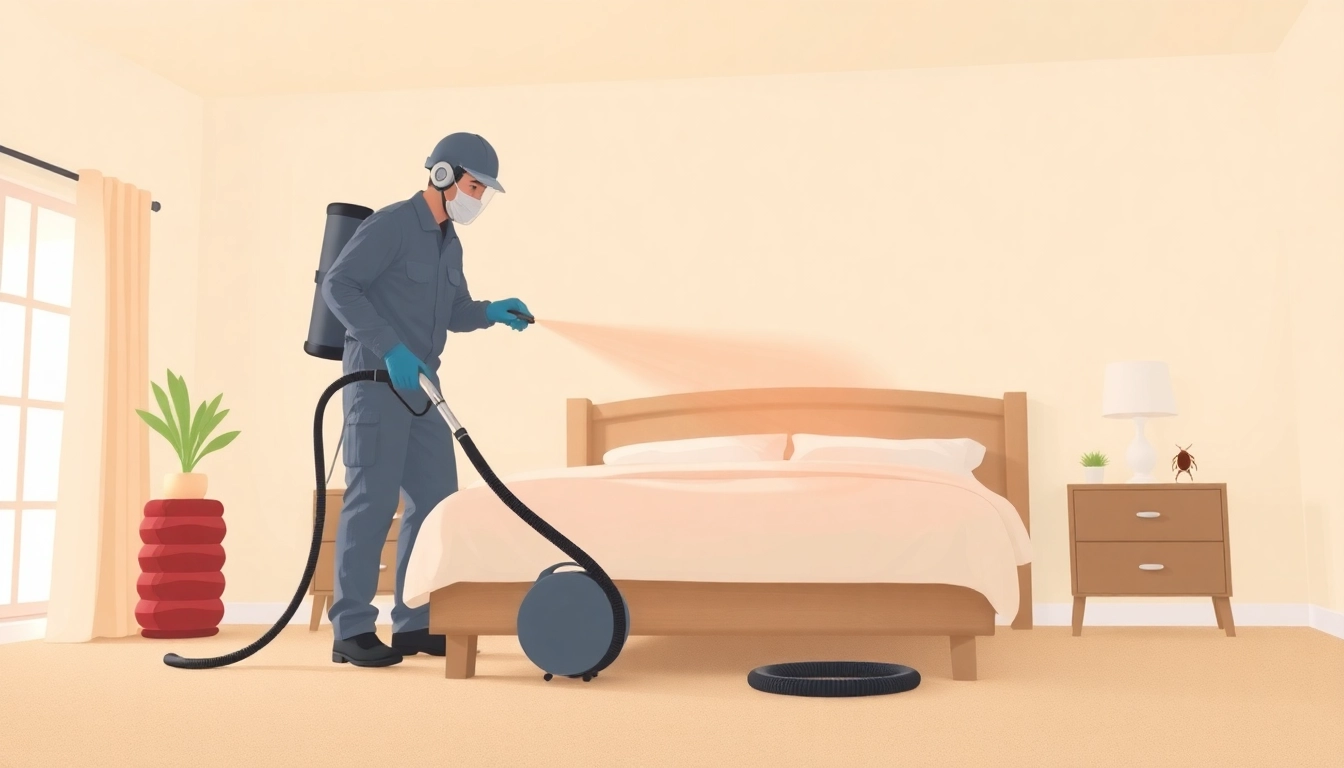
Understanding Bed Bug Removal
Bed bugs are unwelcome guests that can disrupt your peace at home and compromise your comfort and health. When faced with a bed bug infestation, it is crucial to understand effective bed bug removal strategies. Knowing how to identify bed bugs and the importance of timely removal can empower you to take the necessary steps towards a pest-free home. This comprehensive guide is designed to offer valuable insights into bed bug removal, combining both professional advice and do-it-yourself techniques. For more specialized support, consider turning to expert services in bed bug removal.
What Are Bed Bugs?
Bed bugs, scientifically known as Cimex lectularius, are small, wingless insects that feed on the blood of humans and animals. Typically, they thrive in areas where people sleep, such as mattresses, bed frames, and upholstered furniture. Adult bed bugs are approximately 5-7 mm in size, resembling small brownish dots. They are notoriously difficult to detect due to their nocturnal habits and ability to hide in tight spaces. Despite their small size, their presence can lead to significant discomfort through itchy bites and even secondary infections due to scratching.
The Importance of Timely Bed Bug Removal
Addressing a bed bug infestation promptly is imperative for several reasons. Firstly, these pests reproduce rapidly; a single female can lay hundreds of eggs in her lifetime. This means that delaying treatment can result in a small problem snowballing into a full-blown infestation. Secondly, beyond discomfort and the distress caused by bites, bed bugs can have a psychological impact, leading to anxiety and insomnia. Finally, a prolonged infestation can also lead to financial costs, as treatment becomes more complex and lengthy over time.
Common Myths About Bed Bugs
There are several misconceptions surrounding bed bugs that can hinder effective removal strategies. One common myth is that bed bugs only infest dirty homes. In reality, they can thrive in any living situation, regardless of cleanliness. Another misconception is that bed bugs are associated exclusively with sleeping areas. However, they can also hide in other locations, such as behind wallpaper or in cracks and crevices throughout the home. Understanding these myths is crucial for effective prevention and eradication efforts.
Identifying Bed Bug Infestations
Signs of Bed Bug Presence
A primary step in addressing a bed bug infestation is being able to identify the signs of their presence. Common indicators include:
- Itchy, red welts on the skin, often in clusters or lines.
- Dark spots on bedding or mattress seams, which are bed bug droppings.
- Bed bug eggs, which appear as tiny white casings in hidden areas.
- Molt skins left behind when bed bugs grow.
- Unusual odor, often described as sweet or musty, particularly in higher infestations.
Visual Indicators in Your Home
In addition to physical signs, visual inspections can help locate bed bugs. Look in these common areas:
- Mattresses and box springs: Inspect seams and creases.
- Bed frames: Check joints and corners.
- Upholstered furniture: Look underneath cushions and in seams.
- Baseboards and wall hangings: Pay attention to cracks and gaps.
- Luggage and bags: Especially if you’ve traveled recently.
Checking Common Hiding Places
Bed bugs are adept at finding places to hide. Regular checks of these areas can help in early detection:
- Under the mattress and bed frame.
- Behind headboards and picture frames.
- In furniture joints and behind baseboards.
- In electrical outlets and smoke detectors.
- Inside travel luggage after a trip.
Professional vs. DIY Bed Bug Removal
Benefits of Professional Bed Bug Removal
While DIY methods can sometimes be effective, professional bed bug removal offers several advantages:
- Expertise: Professionals have the training and experience necessary to identify bed bug hiding places and understand their behavior.
- Effective Methods: They utilize advanced techniques like heat treatment, which can eliminate bugs at all life stages.
- Guarantees: Many professional services offer warranties, ensuring they will return if bed bugs persist after treatment.
- Time-Saving: Professionals can often address the infestation faster than DIY efforts.
Effective DIY Techniques
For those who prefer a hands-on approach, numerous DIY techniques can help control and even eliminate bed bugs:
- Washing and Drying: Launder infested bedding and clothing at high temperatures to kill bugs and eggs.
- Vacuuming: Use a vacuum with a crevice attachment to remove bed bugs from furniture and floors. Seal the vacuum bag and dispose of it afterward.
- Steam Cleaning: Applying steam at high temperatures can kill bed bugs on contact.
- Interceptors: Use bed bug interceptors, which can catch bugs before they reach your bed.
- Use Pesticides Cautiously: If opting to use pesticides, ensure they are specifically designed for bed bugs and follow label instructions thoroughly.
When to Call in the Experts
Despite the availability of DIY methods, there are scenarios when it’s wise to call in professionals:
- If the infestation is widespread and severe.
- If DIY efforts have failed to produce results.
- If you have health concerns related to pesticide exposure.
- If bed bugs are affecting multiple areas of your home.
- If you require a long-term monitoring solution to prevent recurrence.
Preventing Future Bed Bug Infestations
How to Protect Your Home
After successfully eliminating bed bugs, prevention is key. Here are strategies to protect your home:
- Regularly inspect your home, especially after travel.
- Encasements for mattresses and pillows can help prevent bed bugs from residing in them.
- Seal cracks and crevices in walls and furniture to eliminate hiding spots.
- Limit clutter to reduce potential habitats for bed bugs.
- Be cautious with second-hand furniture; inspect thoroughly before bringing it home.
Maintaining Cleanliness to Avoid Reinfestation
Regular cleanliness can be a formidable first line of defense:
- Vacuum regularly, focusing on bedrooms, living areas, and hallways.
- Wash bedding weekly using hot water, followed by a high-heat drying cycle.
- Maintain a tidy home to discourage not just bed bugs, but other pests as well.
- Organize belongings neatly to limit bed bugs’ hiding places.
- After being in hotels or public places, check your belongings before returning home.
Regular Monitoring Techniques
Ongoing vigilance can prevent future infestations:
- Use bed bug monitors or traps to catch early signs of activity.
- Schedule annual inspections by pest control professionals for peace of mind.
- Educate family members about identifying potential signs of bed bugs.
- Keep an eye on common areas such as laundry rooms where bed bugs can spread.
- Use preventative barriers like mattress encasements and protective covers.
Frequently Asked Questions About Bed Bug Removal
Is bed bug removal effective?
Yes, with the right approach, either professional or DIY, bed bug removal can be very effective in eradicating infestations.
How long does the removal process take?
The timeline for bed bug removal varies based on methods, size of infestation, and the treatment plan, but thorough efforts are often completed within a few weeks.
Can I stay in my home during treatment?
It depends on the treatment method used. Some methods require temporary relocation, especially if pesticides are involved.
How much does bed bug removal cost?
The cost can vary significantly depending on the extent of the infestation, treatment method, and the size of the area affected. It’s advisable to get multiple quotes.
What attracts bed bugs to my home?
Bed bugs are attracted to warmth and carbon dioxide emitted by sleeping humans. Clutter and used furniture can also provide them with hiding spots, increasing risk.