
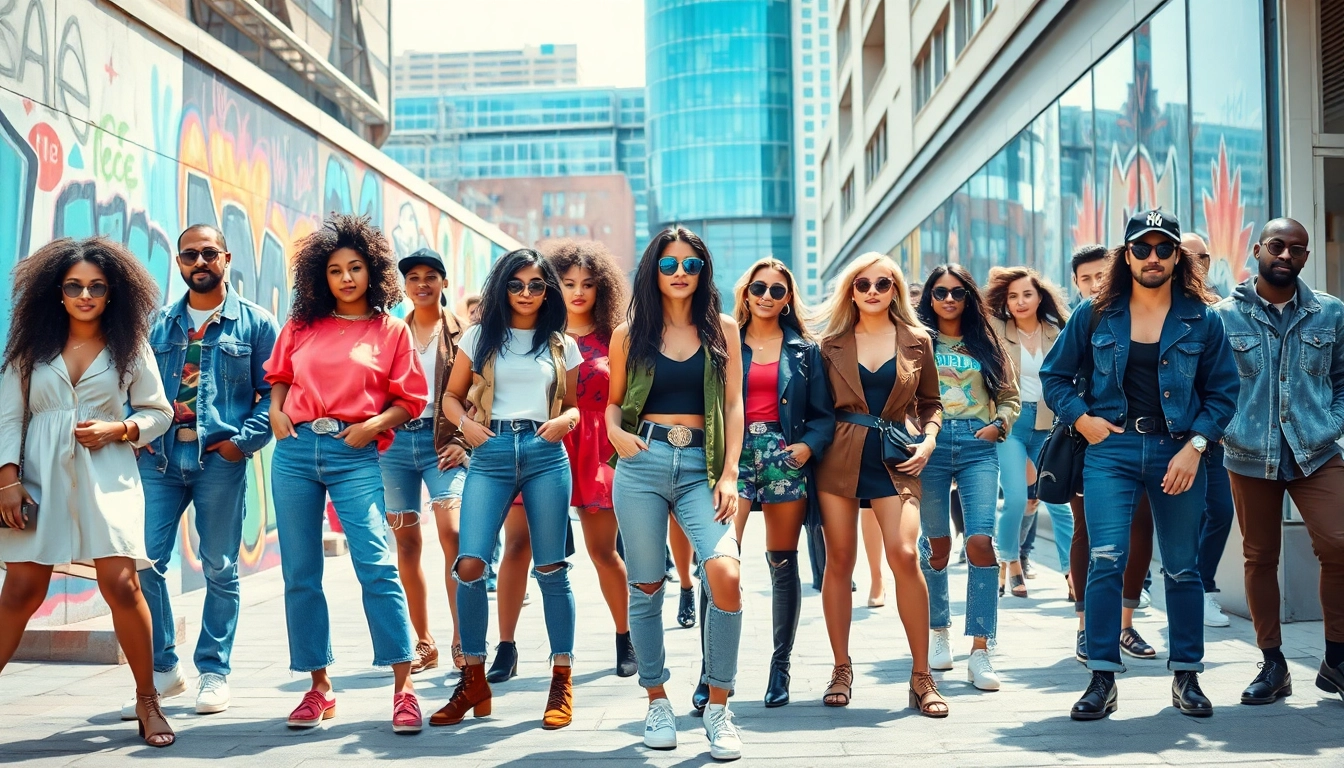
The Evolution of Fashion: A Historical Overview
Defining Fashion and Its Cultural Significance
Fashion is more than just clothing; it encapsulates a way of expressing one’s identity, cultural background, and social status. Emerging from the Latin word “facere,” which means “to make,” fashion involves the creation and consumption of garments, accessories, and styles that resonate deeply with societal values and personal expression. It represents the art of presenting oneself in a manner that communicates cultural aesthetics, individual beliefs, and trends that shape our lives.
Key Fashion Eras: Styles Through the Decades
The chronicle of fashion is punctuated by distinctive eras, each contributing to the tapestry of style evolution. The Roaring Twenties, characterized by the flapper style and a spirit of liberation, gave way to the utilitarian looks of the WWII era. The 1960s celebrated vibrant colors and revolutionary styles, while the punk movement in the 1970s introduced a rebellious twist. Understanding these trajectories provides valuable insights into current fashion trends, illustrating how history continues to inform contemporary styles.
Impact of Technology on Fashion Trends
Technology has revolutionized fashion in unprecedented ways. From the invention of synthetic fabrics to the rise of digital marketing, advancements in technology have profoundly influenced how we produce, sell, and wear fashion. E-commerce platforms and social media channels have given rise to fast fashion cycles, enabling brands to respond quickly to trends and shifting consumer preferences. This chapter of fashion history emphasizes the need for adaptability within the industry.
Understanding Modern Fashion Trends
Current Global Trends Influencing Fashion
Today, various global trends are shaping the fashion landscape. Sustainability is at the forefront, with more consumers prioritizing eco-friendly brands and ethical practices. Additionally, the increasing influence of streetwear and athleisure showcases a shift towards comfort without sacrificing style. Cultural diversity continues to inspire fashion, with designs incorporating traditional motifs and local craftsmanship, promoting a rich and varied aesthetic.
Fashion Icons: Who to Watch in the Industry
Fashion icons play a pivotal role in shaping trends and inspiring new generations. From designers to influencers, their unique styles often set the benchmark for what’s ‘in.’ Observing their contributions can guide individuals in navigating their fashion journeys. Icons who prioritize inclusivity and diversity are particularly influential as they push traditional boundaries and redefine beauty standards.
The Role of Social Media in Shaping Fashion
Social media platforms like Instagram and TikTok have democratized fashion, allowing trends to emerge organically from everyday users, not just industry elites. This shift empowers individuals to share their interpretations of fashion, making it possible for modest and avant-garde styles to gain traction simultaneously. The virality of certain styles often leads to rapid cycles of consumption, but it’s also an opportunity to celebrate personal expression and community engagement.
Exploring Sustainable Fashion Choices
What is Sustainable Fashion?
Sustainable fashion refers to an approach to fashion that minimizes environmental impact and promotes ethical practices in every aspect of design and production. It challenges the traditional fast fashion model by emphasizing longevity, ethical labor practices, and eco-friendly materials. This movement urges consumers to think critically about their consumption habits and the lifecycle of their clothing.
Brands Leading the Sustainable Fashion Movement
Several brands are at the forefront of the sustainable fashion movement, adopting innovative practices that prioritize environmental and social responsibility. These brands often utilize materials like organic cotton or recycled fabrics, implement transparent supply chains, and advocate for fair labor practices. By supporting such brands, consumers can contribute to a more sustainable future in the fashion industry.
How to Incorporate Sustainability into Your Wardrobe
Incorporating sustainability into your wardrobe begins with mindfulness in purchasing decisions. Options include investing in quality over quantity, opting to buy second-hand clothing, and supporting sustainable brands that prioritize ethical practices. Additionally, consumers can adopt practices such as clothing swaps or upcycling to extend the life of their garments while making a stylish statement.
Fashion and Personal Identity
How Fashion Reflects Personal Values
Fashion is a powerful medium for self-expression, allowing individuals to showcase their personal values and lifestyles. The garments one chooses often reflect beliefs about identity, gender norms, and cultural affiliations. Dressing authentically can empower individuals to communicate who they are and challenge societal expectations around appearance.
Cultural Appropriation vs. Appreciation in Fashion
The lines between cultural appropriation and appreciation in fashion can be nuanced and complex. While cultural appreciation honors and respects community traditions, appropriation often involves exploiting symbols and aesthetics without understanding their significance, leading to potential harm. Navigating this space demands sensitivity, awareness, and education to ensure that fashion promotes inclusivity instead of perpetuating stereotypes.
Gender Fluidity and Its Impact on Fashion Choices
Gender fluidity is increasingly influencing fashion choices, with more individuals embracing styles that transcend traditional gender norms. This shift has prompted designers to create collections that appeal across the gender spectrum, showcasing a diversity of expressions. The growing acceptance of gender-fluid fashion promotes inclusivity, allowing individuals to freely express themselves without conforming to restrictive labels.
FAQs: Your Fashion Questions Answered
What does fashion mean?
Fashion refers to the styles and customs prevalent at a given time, representing cultural values and individual expression.
Who sets fashion trends?
Fashion trends are influenced by designers, celebrities, influencers, and changing societal norms.
How can I identify my fashion style?
To identify your style, consider your interests, inspirations, and experiment with various trends to find what resonates with you.
What are some timeless fashion staples?
Timeless staples include classic denim jackets, little black dresses, white sneakers, and tailored blazers.
Why is sustainable fashion important?
Sustainable fashion minimizes environmental impact and promotes ethical practices in the fashion industry.
In a world where fashion evolves rapidly, the intersection of personal expression, cultural significance, and sustainability remains critical. For those seeking to navigate the vibrant realm of Fashion, understanding these dynamics will empower informed choices that celebrate individuality while respecting our planet and diverse cultures.